Why Understanding Home Care Costs Matters for Your Family
When you're searching for the average home care cost, you're likely facing a critical decision about how to care for an aging parent or loved one. The short answer: home care costs vary widely, but here's what you need to know right now:
Quick Cost Overview:
- Homemaker/Companion Care: $25-$35 per hour
- Personal Care (Home Health Aide): $28-$45 per hour
- Skilled Nursing (RN): $55-$80 per hour
- Live-In Care: $250-$350+ per day
- Monthly Costs: Can range from $1,500 to $10,000+ depending on hours and care level
If you're like most families, you're not just worried about the numbers. You're concerned about trust. You need to know your parent will be safe, treated with dignity, and cared for by someone who genuinely understands their needs—especially if they're living with Dementia or Alzheimer's.
The truth is, 7 out of 10 people will require long-term care in their lifetime, and with 10,000 Baby Boomers turning 65 every day until 2030, more families are facing this decision than ever before.
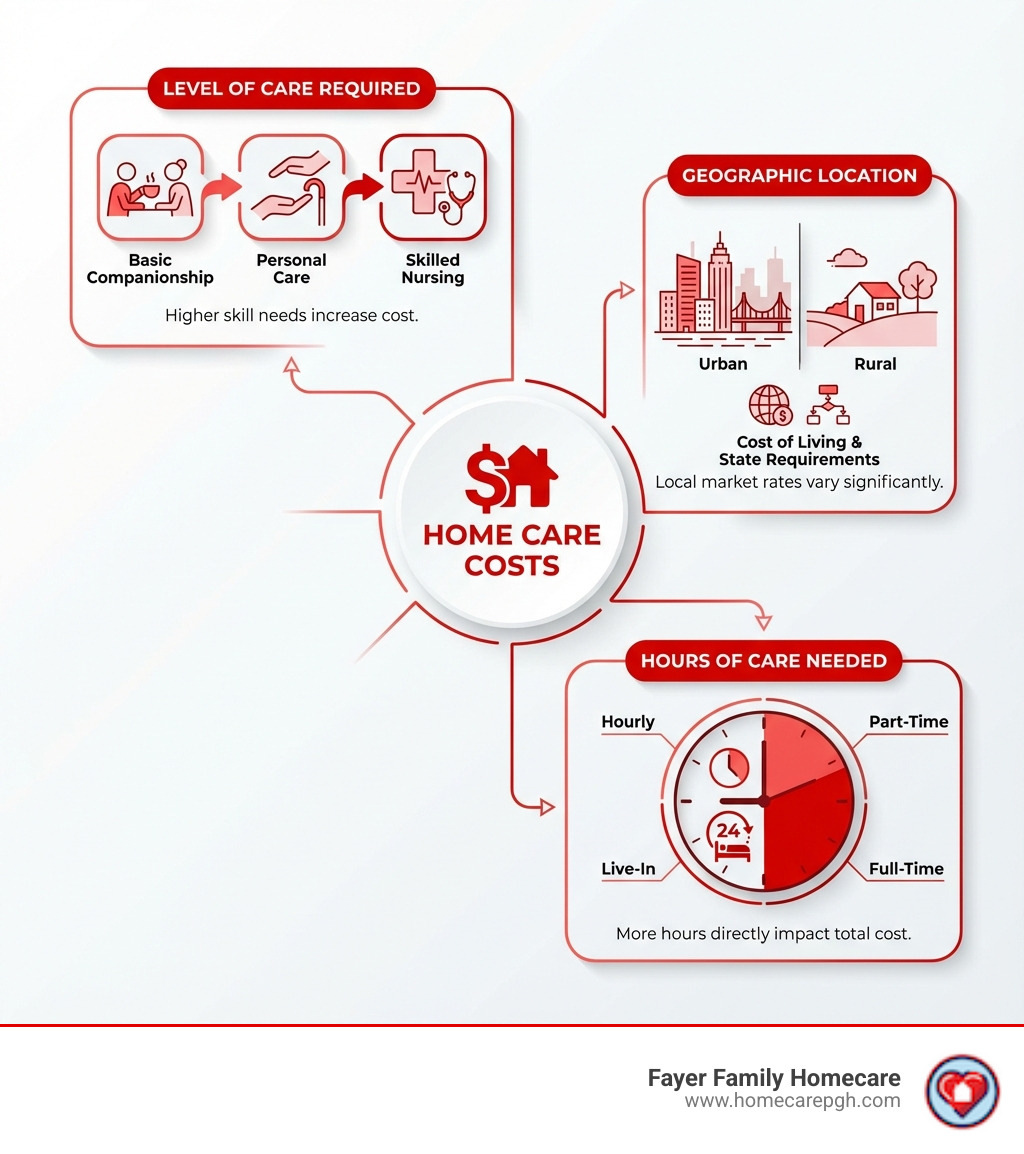
Home care costs depend on several factors: the level of care your loved one needs, where you live, how many hours of care you require, and whether you hire through an agency or independently. In the Greater Pittsburgh area, for example, rates can differ from national averages based on local cost of living and caregiver availability.
This guide will walk you through everything you need to understand about home care costs—from basic companionship to skilled nursing care—so you can plan ahead, explore your funding options, and make the best decision for your family's situation and budget.
Understanding the Different Levels of Home Care and Their Costs
Home care isn't a one-size-fits-all service; the type of care directly impacts the average home care cost. We tailor care plans to match your family’s needs, ensuring both effectiveness and cost-efficiency.
Basic Companionship and Homemaker Services
Many seniors start with basic companionship and homemaker services, which focus on daily living support without hands-on personal assistance. Our caregivers help with tasks like:
- Homemaker tasks: This includes light housekeeping, laundry, and maintaining a tidy living environment. A clean and organized home contributes significantly to a senior's well-being and safety.
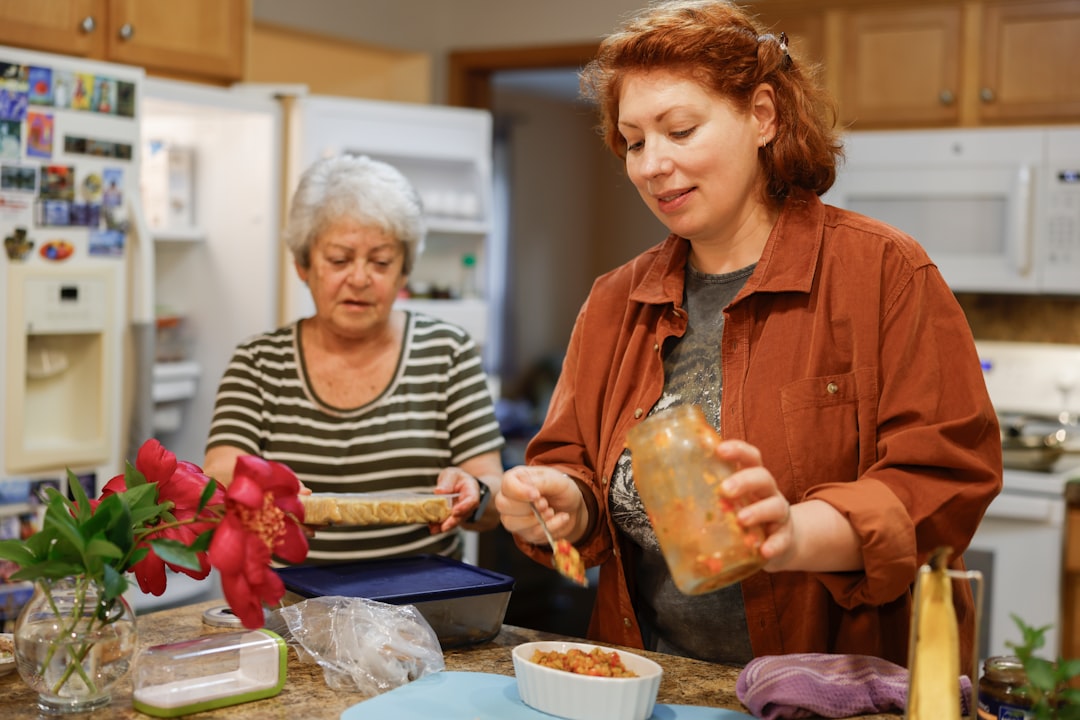
- Meal preparation: Ensuring your loved one receives nutritious meals is crucial. Our caregivers can plan and prepare meals, accommodating dietary restrictions and preferences.
- Transportation: Getting to appointments, running errands, or simply enjoying a leisurely outing can be challenging for seniors. Our caregivers can provide safe and reliable transportation.
- Medication reminders: While we cannot administer medication, we can help ensure your loved one takes their prescribed medicines on time.
- Companionship: Loneliness is a significant issue for seniors. Our caregivers provide friendly conversation, recreational activities, and a reassuring presence. This companion care is vital for emotional well-being. Learn more about Companion Care Services Cost.
For these basic services, the national median hourly rate for homemaker services in the U.S. was $30 per hour in 2023, according to Genworth's Cost of Care Survey. This is often the most economical form of home care, making it a popular choice for families seeking to maintain a loved one's independence.
Personal Care (Hands-On Assistance)
When needs evolve, seniors may require hands-on assistance with Activities of Daily Living (ADLs). Personal care, provided by trained Home Health Aides (HHAs) or Personal Care Assistants (PCAs), helps with more intimate tasks, including:
- Bathing and dressing: Assisting with personal hygiene and getting dressed can preserve dignity and ensure comfort.
- Toileting and incontinence management: Providing sensitive and respectful support for bathroom needs is a key part of personal care.
- Mobility assistance: Helping with transfers, walking, and moving safely around the home reduces the risk of falls and promotes physical activity.
The national median hourly rate for a home health aide was $33 in 2023, higher than homemaker services due to the direct physical assistance and training required. To understand the full range of options, you can refer to Understanding the Costs and Options in Private Home Care.
Skilled Nursing and Specialized Care
Seniors with complex medical needs require skilled nursing care from licensed professionals like Registered Nurses (RNs) or Licensed Practical Nurses (LPNs). These services go beyond personal care to include medical procedures and monitoring:
- Wound care: Professional management of wounds to prevent infection and promote healing.
- Medication administration: Ensuring accurate and timely administration of complex medication regimens, including injections.
- Vital sign monitoring: Regular checks of blood pressure, pulse, and other vital signs to track health status.
- Specialized care for conditions like Alzheimer's and Dementia: Fayer Family Homecare excels in this area. Our experienced caregivers provide compassionate supervision, engaging activities, and crucial routines for individuals with cognitive impairments. This support helps manage behaviors and ensures a safe, stimulating environment.
Hourly rates for RNs and LPNs vary by location and need but are at the higher end of the cost spectrum, reflecting their advanced training. RN rates can range from $55 to $80+ per hour. Understanding the needs of those with cognitive decline is paramount. Find more information at More about specialized care for dementia.
Key Factors That Determine the Average Home Care Cost
The average home care cost isn't a fixed price; it's a nuanced figure influenced by several factors. We consider location, caregiver qualifications, and the intensity of care required to create a custom plan, where every choice impacts the final cost.

What is the average home care cost in the U.S.?
Nationally, the costs for home care services have been on the rise. According to the Genworth Cost of Care Survey 2023, the national median hourly rate for homemaker services was $30, while home health aide services came in at $33 per hour. These figures saw year-over-year increases of 10.00% and 7.14% respectively, driven largely by inflation and a shortage of workers.
These are national median costs, and actual expenses vary by region. The Genworth survey covers 429 regions. While specific Pittsburgh data wasn't available, our local experience shows costs in the Greater Pittsburgh Area reflect national trends but vary with local economic conditions. For a personalized estimate, we recommend a direct consultation.
How Location and Caregiver Credentials Impact Rates
- Geographic Location: Urban areas like Pittsburgh usually have higher costs than rural regions due to higher demand, cost of living, and agency expenses. Caregivers in metro areas typically earn higher wages.
- Caregiver Qualifications and Credentials: The expertise and certifications of the caregiver directly affect their hourly rate.
- Home Health Aides (HHAs) and Personal Care Assistants (PCAs) provide "hands-on" personal care. Their rates, as mentioned, are around the national median of $33 per hour.
- Certified Nursing Assistants (CNAs) have additional training and can perform more basic medical tasks, such as measuring vital signs, depending on state regulations. Their rates can be slightly higher than HHAs.
- Licensed Practical Nurses (LPNs) and Registered Nurses (RNs) command the highest rates due to their extensive medical training and ability to provide advanced care, administer medications, and manage complex health conditions. As noted earlier, RN rates can range from $55 to $80+ per hour.
- Experience Level: A caregiver's experience, specialized training (e.g., in dementia care), and track record also influence rates. Experienced caregivers, especially those skilled in conditions like Alzheimer's, are in high demand and may command higher rates.
How Frequency of Care Affects Your Budget
The amount of time a caregiver spends with your loved one is a major cost driver. More hours mean higher overall costs, but there can be efficiencies with greater frequency.
- Hourly Rates: Most home care services are billed hourly. For basic companionship or personal care, we've seen national median rates around $30-$33 per hour. However, these rates can fluctuate based on the factors we've already discussed.
- Part-Time vs. Full-Time Care: If your loved one only needs a few hours of care per week, the total monthly cost will be significantly lower than for full-time support. However, agencies may have minimum service hours per visit (e.g., a 2-hour minimum) to ensure efficient scheduling for caregivers.
- Overnight Care: When care is needed during the night, costs typically fall within a specific overnight rate. These can be slightly different from standard daytime hourly rates.
- Live-In Care: For continuous, 24/7 support, live-in care often becomes a more cost-effective option than paying hourly rates for 16-24 hours per day. A live-in caregiver resides in the home and provides support throughout the day and night, with scheduled breaks. Daily rates for live-in care in the U.S. can range from $250 to $350+ per day. We'll explore this further in the next section.
- Minimum Service Hours: It's common for agencies to have a minimum number of service hours required for each visit, which helps ensure the viability of sending a caregiver for shorter shifts. This is an important detail to clarify when discussing care plans.
Comparing Care Models: Home Care vs. Facility Living
Choosing between home care and facility-based living is one of the most significant decisions families face. It's not just about cost; it’s about quality of life, independence, and the specific needs of your loved one. While facilities offer a structured environment, home care often provides a more personalized and comfortable experience.
| Feature | Home Care | Nursing Home |
|---|
| Cost | Highly variable, can be more affordable for lower needs, or comparable/higher for 24/7 specialized care. | Predictable monthly fees, but can be very high, especially for private rooms. Often includes all services. |
| Individualization | Highly personalized, one-on-one attention, custom care plans. | Structured routines, less individualized attention due to staff-to-resident ratios. |
| Independence | Maximizes independence, allows aging in familiar surroundings, personalized schedule. | Reduced autonomy, adherence to facility schedules, communal living environment. |
| Environment | Comfort of home, familiar surroundings, cherished memories. | Institutional setting, less privacy, can feel less personal. |
| Medical Support | Can include skilled nursing visits, but continuous medical supervision is limited unless 24/7. | 24/7 medical supervision by licensed staff, often with on-site doctors. |
| Socialization | Can be integrated into community activities, one-on-one companionship. | Group activities, communal dining, interaction with other residents. |
The Cost of Hourly vs. 24/7 Live-In Home Care
When your loved one requires continuous supervision or assistance, you might wonder if hourly care throughout the day is more expensive than live-in care. Often, the answer is yes.
- Calculating Hourly Costs: If you need, say, 16 hours of care per day, and the average home care cost per hour is $30-$35, your daily cost could quickly add up to $480-$560. Over a month, this becomes a substantial expense.
- Daily Rate for Live-In Care: In contrast, live-in care typically charges a daily rate, which can range from $250 to $350+ per day in the U.S. This model allows a caregiver to reside in your loved one's home, providing support around the clock, with designated breaks.
- Cost Savings of Live-In Model: For extensive needs, live-in care is often more cost-efficient than hourly care. It provides a continuous presence and peace of mind without the complexity and higher cost of multiple shifts. We often use a team-based approach, with caregivers rotating every 3-4 days to ensure consistent, high-quality care.
How Home Care Costs Compare to Nursing Homes
The comparison between home care and nursing home costs is complex, as each option offers different services and environments.
- Nursing Home Monthly Costs: Nursing homes provide comprehensive 24/7 medical care and supervision. According to the Genworth Cost of Care Survey 2023, the national median cost for a semi-private room in a nursing home was approximately $104,025 per year (about $8,668 per month), and for a private room, it was $116,800 per year (about $9,733 per month). These figures represent a significant financial commitment.
- Assisted Living Facility Costs: For those needing less intensive medical care but still requiring assistance with ADLs, assisted living facilities offer a middle ground. The national median cost for a private, one-bedroom unit in an assisted living facility was $64,200 per year (about $5,350 per month) in 2023.
- Ancillary Fees in Facilities: It's also important to be aware that facility costs can include ancillary fees for services beyond basic room and board, such as specialized therapies, personal care items, or certain activities. These can add to the overall expense.
- Cost-Effectiveness: While 24/7 skilled nursing home care is expensive, 24/7 in-home nursing care can also be costly, sometimes making a facility more practical for intensive medical needs. However, for seniors needing mainly companionship and personal care, home care is often a more affordable and preferred option, allowing them to stay home. For a broader perspective, explore Costs of Care from the Administration for Community Living.
How to Pay for Home Care: Funding and Budgeting Strategies
Understanding the average home care cost is one thing, but figuring out how to afford it is another challenge entirely. Many families feel overwhelmed by the financial implications, but we want to assure you that there are numerous funding options and effective budgeting strategies available. With thoughtful planning, quality home care can be within reach for your loved one.
Exploring Your Funding Options
Navigating the financial landscape of home care can feel like a maze, but several avenues can help offset or cover costs:
- Private Pay: Many families choose to pay for home care services directly out of pocket, using savings, pensions, or other assets. This offers the most flexibility in choosing services and providers.
- Long-Term Care Insurance Policies: If your loved one has a long-term care insurance policy, it's crucial to review its benefits carefully. These policies are specifically designed to cover extended care services, including home care. We are an approved provider for many long-term care insurance companies and can assist with getting benefits approved and handling the necessary paperwork for reimbursement.
- Veterans Benefits: Veterans and their spouses may be eligible for specific benefits, such as the Aid and Attendance program, which can help cover the cost of home care. We can help guide you to resources that explain these benefits.
- Medicaid Waivers: While traditional Medicare generally does not cover non-medical home care, Medicaid is a state and federal program that can provide financial assistance for home care for eligible individuals with low income and assets. Many states offer Home and Community-Based Services (HCBS) waivers that allow individuals to receive care at home instead of in a facility. In Pennsylvania, these programs exist to support seniors.
- Medicare Advantage Plans: Some Medicare Advantage (Part C) plans are beginning to offer limited coverage for non-medical home care services as part of their supplemental benefits. It's essential to check the specifics of your loved one's plan.
- Employee Benefits: Some employer benefit packages or retirement plans may include extended health benefits that cover certain home care services or provide disability insurance that can help pay for care costs.
- Tax Credits and Deductions: Federal and state governments offer various tax credits and deductions for caregiving expenses. Consulting with a tax professional can help you understand what you might be eligible for. For more insights on companion care costs and related financial planning, you can visit Senior Companion Care Costs.
How to Budget for the Monthly Average Home Care Cost
Effective budgeting is key to sustaining quality home care. We recommend a structured approach to planning your finances:
- Conduct a Comprehensive Needs Assessment: Before anything else, clearly define your loved one's care needs. What specific tasks do they need help with? How often? Is it primarily companionship, personal care, or skilled nursing? This assessment will help you avoid overpaying for unnecessary services and ensure you're getting the right level of support.
- Create a Detailed Budget: List all current expenses (living, home maintenance, personal care) and then identify all available financial resources (income, savings, investments, government support, insurance). This holistic view will show you what you have to work with.
- Prioritize Care Hours: Focus on the most critical times of day when assistance is absolutely necessary, such as mornings for bathing and dressing, or evenings for meal preparation and medication reminders. If funds are limited, start with these essential blocks and gradually increase hours as needed or as budget allows.
- Combine Family and Professional Care: Many families successfully manage costs by integrating family caregiving with professional home care. Perhaps family members can cover evenings and weekends, while a professional caregiver assists during weekdays. This "shared caregiving" approach can significantly reduce the number of paid hours required.
- Plan for Future Needs: Care needs can change over time. When budgeting, try to anticipate potential future needs and factor in a contingency. Regular reassessments of the care plan and budget are crucial to adapt to evolving circumstances. Openly discussing these plans with family members early on can ease the process.
Frequently Asked Questions about Home Care Costs
We understand that you likely have many questions when considering home care for a loved one. Here, we address some of the most common inquiries we receive regarding the average home care cost and related topics.
What's the difference between "home care" and "home health care"?
This is a common point of confusion, and understanding the distinction is crucial for both care planning and understanding costs:
- Home Care: This refers to non-medical services provided in the home to support daily living. It focuses on maintaining independence, comfort, and safety. Services include companionship, personal care (like bathing, dressing, and toileting), homemaker tasks (light housekeeping, meal preparation), medication reminders, and transportation. These services are typically provided by Home Health Aides (HHAs) or Personal Care Assistants (PCAs). Fayer Family Homecare specializes in this type of care, offering companionship, supervision, and recreational activities, alongside support for cleanliness and comfort.
- Home Health Care: This involves skilled medical services provided by licensed medical professionals, such as Registered Nurses (RNs) or Licensed Practical Nurses (LPNs), and sometimes therapists (physical, occupational, speech). These services require a doctor's prescription and are focused on treating an illness or injury. Examples include wound care, injections, monitoring unstable health conditions, and physical therapy. While we focus on non-medical home care, we can help coordinate with home health agencies if skilled medical care is also needed.
Are there hidden fees I should be aware of?
Transparency in pricing is a cornerstone of trust, and we believe in being upfront about all potential costs. However, it's wise to be aware of common charges you might encounter:
- Agency Administrative Fees: Reputable agencies typically include administrative costs in their hourly rates, covering things like caregiver screening, training, scheduling, and insurance. Be wary of agencies that charge these separately without clear justification.
- Holiday Pay Rates: It is standard practice for caregivers to receive time-and-a-half pay for services provided on major holidays. We transparently communicate these rates to families.
- Transportation Mileage: If a caregiver uses their personal vehicle for client transportation (e.g., to appointments or errands), there might be a mileage reimbursement fee. This should be clearly outlined in your service agreement.
- Initial Assessment Fees: Some agencies may charge a fee for their initial in-home assessment. We typically offer free consultations to discuss needs and develop a personalized care plan without an upfront charge.
- Minimum Service Hours: As mentioned earlier, many agencies have a minimum number of hours required per visit (e.g., 2-4 hours). This is not a "hidden fee" but an important structural aspect of scheduling that impacts your total cost.
The most important step to avoid surprises is to ensure you receive a clear, comprehensive service contract that outlines all services, rates, and potential additional charges. Don't hesitate to ask questions until you fully understand every line item.
Does Medicare or private insurance cover the average home care cost?
Understanding what insurance covers can significantly impact your budgeting for home care:
- Traditional Medicare: Generally, traditional Medicare (Parts A and B) does not cover non-medical home care services like personal care, companionship, or homemaker tasks. It primarily covers "home health care" (skilled nursing care, physical therapy, etc.) if certain strict criteria are met, such such as being homebound and requiring intermittent skilled services under a doctor's order. It does not pay for long-term, ongoing custodial care.
- Medicare Advantage Plans (Part C): Some Medicare Advantage plans are starting to offer limited coverage for non-medical home care services as supplemental benefits. This varies greatly by plan, so check the specific benefits of your loved one's Medicare Advantage plan.
- Private Health Insurance: Most standard private health insurance policies do not cover long-term non-medical home care. They are typically designed for acute medical needs. However, some may cover short-term, medically necessary home health care following an illness or injury.
- Long-Term Care Insurance: This is the most common and effective form of private insurance designed to cover the average home care cost for extended periods. If your loved one has a long-term care insurance policy, it's highly likely to cover our services. We work with many long-term care insurance companies and can help you steer the claims process and paperwork to maximize your benefits.
We always encourage families to review all their insurance policies and contact us to discuss how they might apply to your loved one's home care needs.
Conclusion
Navigating senior home care can feel like a complex journey, especially when trying to understand the average home care cost. We’ve seen that these costs are not static; they are a dynamic reflection of the level of care needed, the location, the duration of services, and the qualifications of the caregivers. From basic companionship to specialized dementia care, each layer of support brings its own financial considerations.
The variability in costs underscores the importance of thorough planning and clear communication. By understanding the different types of care, the factors that influence pricing, and the various funding avenues available, your family can make informed decisions that prioritize both your loved one’s well-being and your financial peace of mind. While the initial figures may seem daunting, home care often offers a cost-effective alternative to facility-based living, especially for those who cherish their independence and the comfort of their own home. The value of one-on-one, personalized care, custom to individual needs and delivered in a familiar environment, is immeasurable.
For families in the Greater Pittsburgh area seeking compassionate and experienced caregivers, understanding your options is the first step. We are here to help you decode these costs, explore funding solutions, and craft a care plan that’s just right for your loved one.
Learn more about our companionship and in-home care services

.svg)


.avif)