Why Finding the Right Elderly Care in Pittsburgh Matters for Your Family
Elderly care Pittsburgh families need can range from a few hours of companionship each week to comprehensive 24/7 support for loved ones with dementia. The good news is that Pittsburgh offers one of the most robust senior care networks in the country. The region boasts large academic geriatrics programs, integrated healthcare for seniors with chronic conditions, and the invaluable Area Agency on Aging serving Allegheny County residents aged 60 and older.
Quick Overview: Pittsburgh's Main Senior Care Options
| Care Type | Best For |
|---|
| In-Home Care | Maintaining independence at home |
| Adult Day Health Centers | Socialization and medical support during the day |
| Assisted Living | Help with daily tasks in a community setting |
| Memory Care | Specialized dementia and Alzheimer's support |
| Geriatric Medical Services | Coordinated healthcare for older adults |
If you're reading this, you're likely facing the overwhelming task of finding trustworthy care for an aging parent. Maybe your mother gets confused managing her medications, your grandmother with Alzheimer's needs attention while you're at work, or your father simply needs help with daily tasks but doesn't want to leave his home. You're not alone in feeling uncertain about where to start.
This guide walks you through Pittsburgh's elderly care landscape—from in-home companionship to full-time memory care. We'll help you understand what's available, how to choose the right provider, and how to steer the costs and resources in Allegheny County. Most importantly, we'll show you how to find care that gives you peace of mind while honoring your loved one's dignity and independence.
Understanding the Spectrum of Senior Care in Pittsburgh
When you start looking for elderly care Pittsburgh options, you'll find a spectrum of services designed to meet your loved one's specific needs. Think of it as a continuum, from needing a little help with groceries to requiring round-the-clock specialized care. Pittsburgh has options for every stage of this journey.
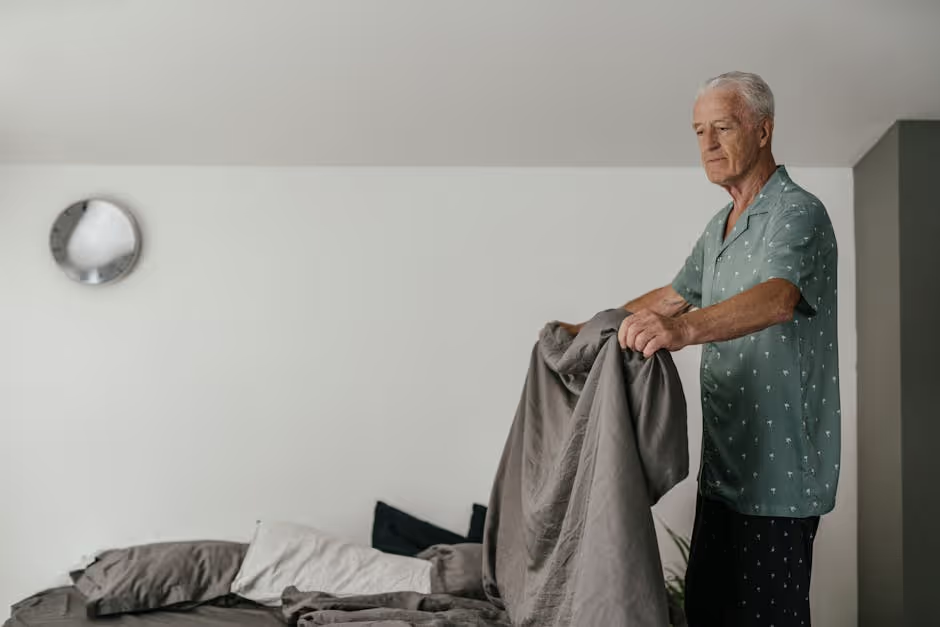
In-home care is where many families start. It allows your loved one to remain in their cherished home while a caregiver assists with tasks like bathing, meal preparation, or companionship for a few hours a week or around the clock. This option provides a perfect balance of support and independence.
Assisted living communities are for when daily tasks become more challenging. These facilities help with personal care, medication management, and meals in a social setting. The focus is on maintaining as much independence as possible in a safe, supportive environment.
Memory care is designed for individuals with dementia or Alzheimer's. These specialized programs, often in secure units, provide a structured environment to reduce confusion. Staff receive specific training in dementia care, and activities focus on cognitive engagement and preserving dignity.
Adult day centers offer a great middle ground. Your loved one can spend the day at a center participating in activities, enjoying meals, and receiving medical oversight while you handle other responsibilities. Many local centers provide everything from exercise classes to social events, and often include transportation.
Finally, hospice care shifts the focus from curing to comforting for those with a life-limiting illness. It's about ensuring dignity, managing pain, and making the most of the time that remains. Hospice can be provided at home, in a facility, or in a hospital, supporting the entire family.
These options aren't rigid. Many families combine services or transition between levels of care as needs evolve. Understanding what's available helps you make choices that truly fit your family's situation.
The Benefits of Choosing In-Home Care
For many families, the best elderly care Pittsburgh can offer begins right at home. Helping a loved one stay in the place where they've built a lifetime of memories offers benefits that extend far beyond sentiment.
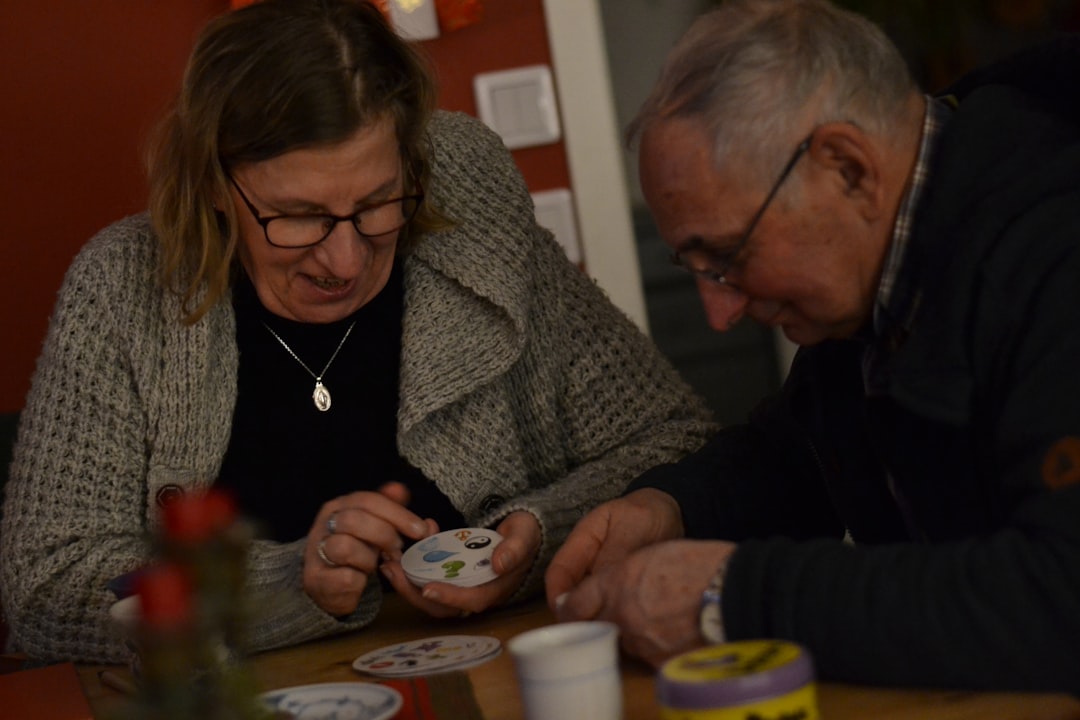
Maintaining Independence: In-home care respects a senior's desire to remain autonomous. Our caregivers help with challenging tasks like meal prep or personal care, while your loved one continues to make their own decisions.
Familiar Surroundings: The comfort of home is irreplaceable. For seniors, especially those with memory changes, a familiar environment reduces confusion and anxiety. Home feels safe.
Personalized One-on-One Attention: Unlike in facilities, in-home care provides dedicated support. Our caregiver focuses solely on your loved one, adapting to their unique personality, preferences, and needs.
Cost-Effectiveness: In-home care can be more affordable than residential facilities, as you only pay for the hours you need. This flexibility helps families manage expenses while ensuring quality support.
Health and Safety: Our caregivers provide medication reminders, monitor mobility to prevent falls, and help keep the home clean and safe. This proactive approach helps seniors stay healthier at home.
Combating Loneliness: Social isolation is harmful to a senior's health. Our caregivers provide companionship through conversation, activities, and outings, making the difference between simply existing and truly living.
We've seen these benefits transform lives throughout the Greater Pittsburgh Area. For more insights, explore our guide on In-Home Care in Pittsburgh, PA or read about 5 Ways Home Care Services Can Help Seniors Stay Independent.
Specialized and Comprehensive Elderly Care Pittsburgh Programs
When your loved one faces challenges like dementia or is recovering from a hospital stay, you need care that goes deeper. The elderly care Pittsburgh landscape includes specialized programs for complex conditions, and at Fayer Family Homecare, we meet these needs with expertise and heart.
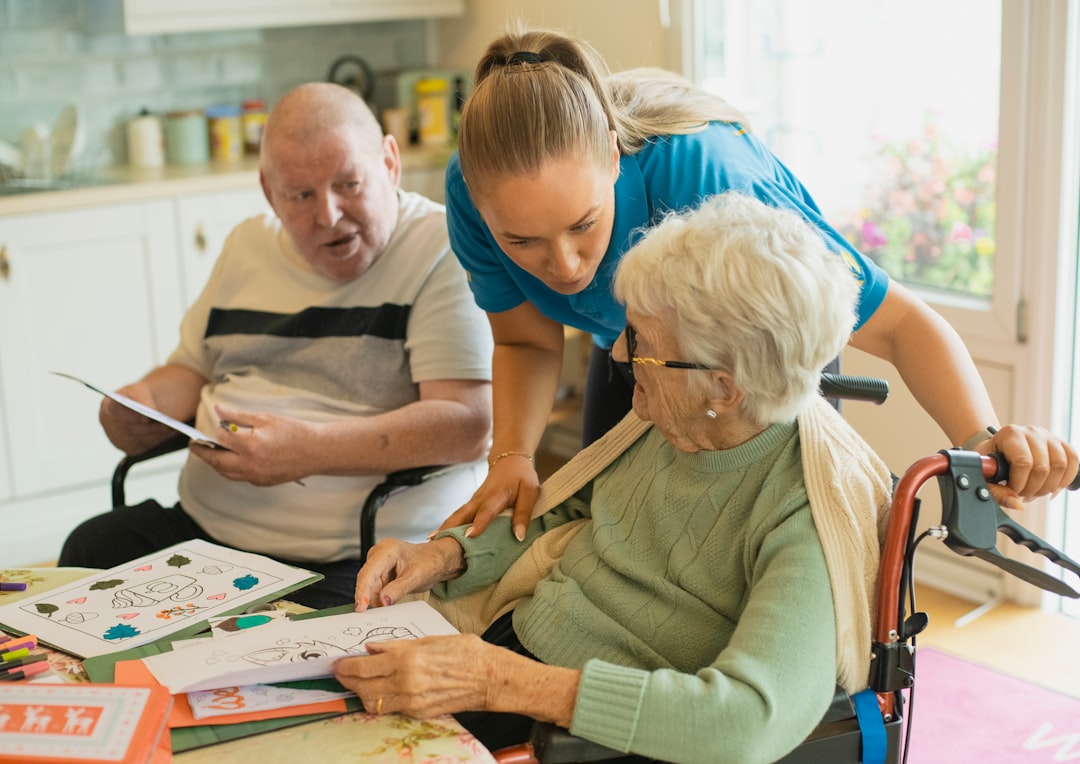
Dementia and Alzheimer's care is one of the most challenging aspects of elder care. At Fayer Family Homecare, we provide specialized care for individuals with Dementia or Alzheimer's, offering genuine companionship and cognitive engagement. Our approach recognizes that memory loss doesn't erase a person's need for connection. We engage seniors in customized activities like puzzles, looking at photo albums, or listening to music.
Specialized caregiver training is key. Our caregivers are trained to handle the unique challenges of cognitive impairment, from redirecting confusion to maintaining comforting routines. It's about understanding the person behind the diagnosis.
Pittsburgh also offers integrated medical and social services for seniors with multiple chronic health conditions. These programs provide a central source of support, combining medical care, home care, and social needs under one roof. Similarly, local geriatric care centers provide comprehensive services with teams of geriatricians, nurse practitioners, and social workers to help manage prescriptions and offer guidance on fall prevention and memory loss.
Post-hospital rehabilitation is another critical service. After a hospital stay, many seniors need therapy to regain strength. Short-term rehabilitation services focus on individualized plans to help your loved one return home as quickly as possible.
For information about medical home health services, including skilled nursing and therapy, visit Home Health Pittsburgh, PA.
The right specialized care ensures your loved one feels valued, engaged, and as independent as possible, whatever challenges they face.
Navigating the System: Finding and Funding Senior Care
Figuring out how to find and pay for elderly care Pittsburgh services can feel overwhelming, but you don't have to do it alone. Pittsburgh has a strong support network to guide you.
A Step-by-Step Guide to Choosing Care
- Assess Needs: Honestly evaluate what your loved one needs. Are they struggling with medications, personal care, loneliness, or safety?
- Get Recommendations: Ask trusted sources like your doctor or the Area Agency on Aging (AAA) for Allegheny County for provider suggestions.
- Interview Agencies: Talk to potential agencies about their caregiver training (especially for dementia), how they match caregivers to clients, and their experience. At Fayer Family Homecare, we welcome these conversations.
- Verify Credentials: Ensure any agency is licensed, bonded, and insured. Ask about their hiring process and background checks.
- Involve Your Loved One: Whenever possible, include your parent or relative in the decision-making process to show respect and give them a sense of control.
For more detailed guidance, visit our resource on Home Care Agencies in Pittsburgh, PA.
Financial Assistance for Elderly Care
- Understanding Costs: In-home care is often charged by the hour, which can be more affordable than the monthly rates of residential facilities since you only pay for the time you need. Always ask for a complete breakdown of costs.
- Medicare vs. Medicaid: Medicare generally covers short-term, skilled medical care but not ongoing personal care. Medicaid (Medical Assistance in PA) may cover long-term care for those who qualify based on income and assets. Some all-inclusive programs exist for seniors with chronic conditions, managing costs while providing comprehensive support.
- Long-Term Care Insurance: If your loved one has a policy, review it carefully. It can cover a significant portion of in-home or assisted living costs.
- Veterans Benefits: The VA's Aid and Attendance program can help veterans and their surviving spouses cover care expenses. It's worth exploring if your loved one served.
- Local Resources: The Allegheny County Area Agency on Aging is a powerhouse for navigating financial aid, offering counseling and connecting families to services.
Resources for Family Caregivers
Caregiving is exhausting, and you need support too.
- Respite Care: These services provide a necessary break for you to recharge. Options include short-term stays in nursing facilities or having a temporary in-home caregiver.
- Support Groups: Connecting with other caregivers is powerful. Many local organizations host support groups, often led by social workers, where you can share experiences and learn from others.
- Information and Advocacy: The Allegheny County SeniorLine is a first point of contact for questions, while the Ombudsman program advocates for the rights of those in long-term care.
Seeking help is a sign of strength that ensures the best care for your loved one and preserves your own well-being.
Beyond Medical Care: Community and Technology Support
Quality of life depends on more than just medical needs; it's about staying connected, engaged, and safe. The elderly care Pittsburgh community offers programs and technology to fill these essential gaps.
Community and Nutrition: Senior community centers throughout Pittsburgh are vibrant hubs for socialization, offering fitness classes, art, and meals. These activities combat loneliness and support cognitive health. Many programs also address nutrition by providing healthy meals on-site or via delivery.
Transportation Services: A major barrier to independence is transportation. Allegheny County provides resources to help older adults get to medical appointments, grocery stores, and community events. You can find information on reliable transportation to keep your loved one connected.
Technology for Safety: Practical technology offers peace of mind. Medical alert systems ensure help is a button-push away. Home monitoring systems can alert you to unusual patterns without being intrusive. Simple assistive technology like grab bars and non-slip mats can prevent falls, while telehealth allows for virtual doctor consultations, reducing the stress of travel.
These resources create a comprehensive safety net. At Fayer Family Homecare, our caregivers provide the personal attention that technology can't replace, while helping your loved one benefit from all that Pittsburgh's senior community has to offer.
Frequently Asked Questions about Senior Care in Pittsburgh
When exploring elderly care Pittsburgh options, families often have the same questions. Here are answers to the most common concerns.
What is the first step when looking for senior care?
The first step is an honest assessment. Observe what's really happening: Is your loved one forgetting medications, struggling with household tasks, or experiencing loneliness? This initial evaluation helps you understand the level of support needed, from a few hours of companionship to more comprehensive care. From there, you can contact resources like the Allegheny County Area Agency on Aging or providers that match those specific needs.
What's the difference between home care and home health care?
This is a common point of confusion. The two services are very different:
Home care is non-medical support for daily living. At Fayer Family Homecare, our caregivers provide companionship, meal prep, personal care assistance, medication reminders, and light housekeeping. It's about supporting independence and quality of life.
Home health care is skilled medical care prescribed by a doctor. It involves registered nurses or therapists who handle wound care, injections, and rehabilitation. Medicare often covers this for short-term needs.
In short: Home care helps with daily life; home health care treats medical conditions.
How do I know when it's time for professional care?
It's often a gradual shift, but certain warning signs indicate it's time to seek help. Recognizing them early can prevent serious problems.
- Safety Concerns: Frequent falls, leaving the stove on, or unexplained bruises.
- Changes in Appearance: Neglecting personal hygiene or wearing dirty clothes.
- Difficulty with Daily Tasks: Unpaid bills, an empty refrigerator, or missed medications.
- Social Withdrawal: A loved one who was once social now stays home and seems lonely or sad. Ensuring seniors don't feel isolated is a critical part of care.
- Caregiver Burnout: If you, as the primary caregiver, are feeling exhausted and overwhelmed, it's a clear sign that you need support.
If you see these signs, it's time to explore elderly care Pittsburgh options. Starting with a few hours of professional care can make an enormous difference.
Conclusion: Your Partner in Pittsburgh Senior Care
You've learned about in-home care, memory care, financial aid, and the community resources that make elderly care Pittsburgh families can access truly comprehensive. You are now well on your way to making an informed decision for your loved one.
What matters most is that Pittsburgh is a community that supports its aging residents. With specialized geriatric teams, integrated care approaches, guidance from the Area Agency on Aging, and vibrant senior centers, this city understands that quality care means treating the whole person.
But information alone doesn't ease the worry. Real peace of mind comes from finding a care partner who sees your mother as your mother, not just a client—someone who understands that dignity and independence matter as much as safety.
That's where we come in.
At Fayer Family Homecare, we treat your family like our own. Our experienced caregivers in the Greater Pittsburgh Area specialize in caring for aging individuals, including those with Dementia or Alzheimer's. We provide companionship to combat loneliness, supervision to ensure safety, and recreational activities that bring joy and purpose. We keep homes clean and comfortable because we know that environment matters.
We believe your loved one should be able to stay at home, surrounded by memories and independence. With the right support, this is entirely possible.
Your journey doesn't have to be overwhelming. Contact us today to discuss your family's unique needs. Let's create a care plan that brings everyone peace of mind. You're not alone in this. We're here to help.

.svg)