
April 3, 2024
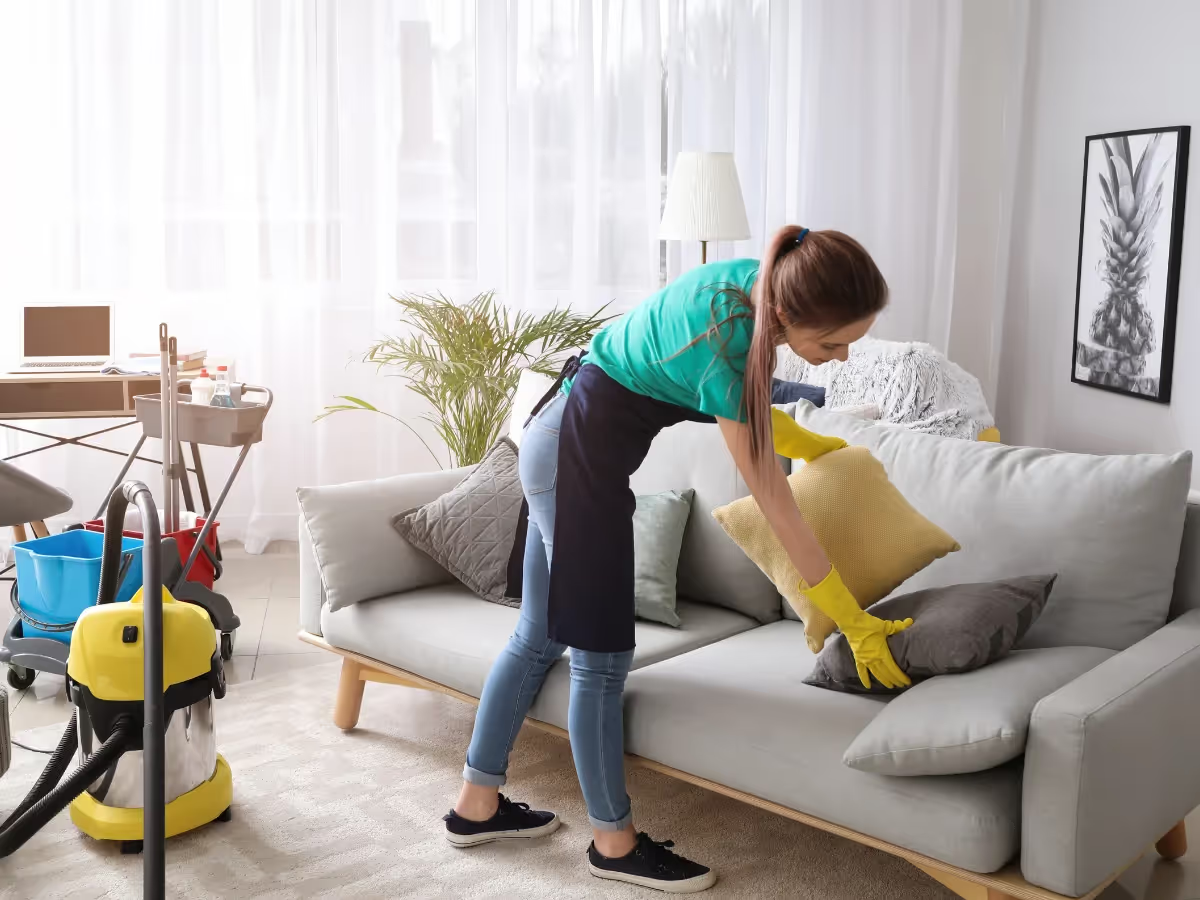
The Benefits of House Cleaning Services for SeniorsMaintaining a clean and well-organized living space is more than just a matter of aesthetics; it's a cornerstone of healthy and safe living for seniors.
Read Article
.svg)

A diagnosis of dementia or Alzheimer's disease is a life-altering event, not just for the individual but for their entire family. In the Pittsburgh area, families are increasingly seeking specialized support to steer this complex journey. The need is undeniable; according to the Alzheimer's Association, the prevalence of the disease is growing, with projections indicating a new diagnosis every 33 seconds in the U.S. by 2050. For local families, this statistic hits close to home, translating into a pressing need for reliable, compassionate, and effective dementia care pittsburgh pa.
The growing demand has led to an expansion of care options, which can feel both empowering and overwhelming. Understanding the landscape of available support is the first step toward making an informed decision that honors your loved one's needs and preferences.
Key dementia care options in the Pittsburgh area include:
Costs for these services can vary widely, often ranging from approximately $3,800 to over $6,200 per month, depending on the level of care required and the specific setting. A dementia diagnosis changes everything, creating a new reality for family dynamics, daily routines, and future planning. The emotional weight of this transition is significant, and finding a care partner who understands this is paramount. The right provider doesn't just see a patient; they see a person with a rich history, unique personality, and an enduring need for dignity and connection.
The difference between generic senior care and quality dementia care is profound. It lies in specialized staff training, secure and thoughtfully designed environments, and a commitment to person-centered approaches. This philosophy focuses on honoring who your loved one was before their diagnosis while providing unwavering support for who they are today. Pittsburgh offers a spectrum of choices, from institutional settings to flexible in-home care, each with distinct advantages. This guide is designed to explain these options, compare costs, and highlight the essential features that define truly exceptional dementia care—whether you opt for a specialized community or accept the comfort and familiarity of care at home.
As you explore dementia care pittsburgh pa, consider the practical markers of quality that families find most helpful:
It’s also important to understand what influences cost beyond the setting itself. Extended hours, overnight supervision, higher staff-to-client ratios, specialized behavioral support, and transportation to appointments can all affect the bottom line. While medical insurance may cover short-term, skilled services, families should know that custodial support—help with bathing, dressing, meals, and supervision—is typically paid privately or through long-term care insurance or public benefits programs when eligible. Choosing a provider who is transparent about what is included, what is billed separately, and how invoices are structured will prevent surprises.
Families throughout the Greater Pittsburgh Area—whether in the city or surrounding neighborhoods—often prefer starting with familiar routines at home. In-home services can scale from a few hours a week to 24/7 care, making it easier to match support with the realities of day-to-day life. When home is the goal, working with a local, experienced team that understands regional resources, transportation routes, and neighborhood safety considerations can make coordination smoother and more responsive when needs evolve unexpectedly.
Above all, the right partner will center care on the person. That means honoring personal history, routines, preferences, and cultural background; providing meaningful, achievable activities; and ensuring every interaction prioritizes dignity. With a thoughtful plan and a trusted care team, families can move forward with confidence, knowing their loved one is supported in ways that truly matter.
When a loved one receives a dementia diagnosis, one of the first questions is, "What kind of care do they need?" The good news is that dementia care pittsburgh pa offers a spectrum of thoughtful options, each designed to meet families at their specific point in the journey. It's helpful to think of care needs as evolving. What works in the early stages may need to be adjusted as the condition progresses.
On one end of the spectrum is the warmth and familiarity of home-based care, which prioritizes comfort and independence. On the other end are specialized residential communities offering round-the-clock support and a secure environment. Neither option is inherently "better"; the right choice depends entirely on your loved one's current needs, safety considerations, and personal preferences. Many Pittsburgh families choose between in-home dementia care, which brings professional support into a familiar setting, and memory support within an assisted living or residential community. Some even use a hybrid approach, using in-home care to supplement other services or to transition smoothly between care settings.
Making an informed decision is easier when you understand the nuances of the diagnosis. Our guide on Understanding the Difference Between Alzheimer's & Dementia can provide valuable clarity.
There's a powerful, grounding effect to remaining in one's own home, surrounded by a lifetime of memories. For many seniors and their families, in-home care is the most natural and desirable choice, allowing for a sense of normalcy and control.
There may come a time when safety concerns, such as wandering, or the need for intensive medical supervision make a residential setting a more appropriate choice. Memory care communities are specifically designed to meet these advanced needs.
Many families benefit from a phased plan that combines services:
Whichever path you choose, revisit the plan regularly. Cognitive, behavioral, and medical needs can change quickly, and a provider experienced in dementia care pittsburgh pa will help you adjust supports, staffing, and routines so your loved one remains safe, engaged, and respected.

April 3, 2024
The Benefits of House Cleaning Services for SeniorsMaintaining a clean and well-organized living space is more than just a matter of aesthetics; it's a cornerstone of healthy and safe living for seniors.
Read Article
November 17, 2025
Beyond the Basics: Unpacking Daily Living Support for SeniorsDiscover when seniors need assistance with daily living, understand ADLs/IADLs, and explore compassionate home care options.
Read Article
July 20, 2026
How to Find the Best Overnight Home Care in PittsburghHow to Find the Best Overnight Home Care in Pittsburgh - Learn about overnight home care pittsburgh
Read Article