
November 17, 2025
Beyond the Basics: Unpacking Daily Living Support for SeniorsDiscover when seniors need assistance with daily living, understand ADLs/IADLs, and explore compassionate home care options.
Read Article
.svg)

Dementia home care services provide specialized support that allows individuals with memory loss to remain safely in their own homes. These services focus on compassionate, personalized care, including companionship, help with daily activities, medication reminders, and safety supervision.
Key dementia home care services include:
Today, 55 million people worldwide live with a dementia diagnosis. As the disease progresses, families face the question: How can we provide the best care while maintaining our loved one's dignity?
The good news is that the majority of people with dementia live in their own homes. Research shows this is beneficial, as familiar surroundings reduce confusion and anxiety, while personalized attention can help slow cognitive decline.
However, a Johns Hopkins study found that more than 90% of patient needs in those with dementia were home safety-related. From preventing falls and wandering to managing medications, these are challenges you don't have to face alone.
This guide will walk you through what you need to know about dementia home care services, from the types of support available to finding qualified caregivers and understanding how in-home care can transform your family's life.
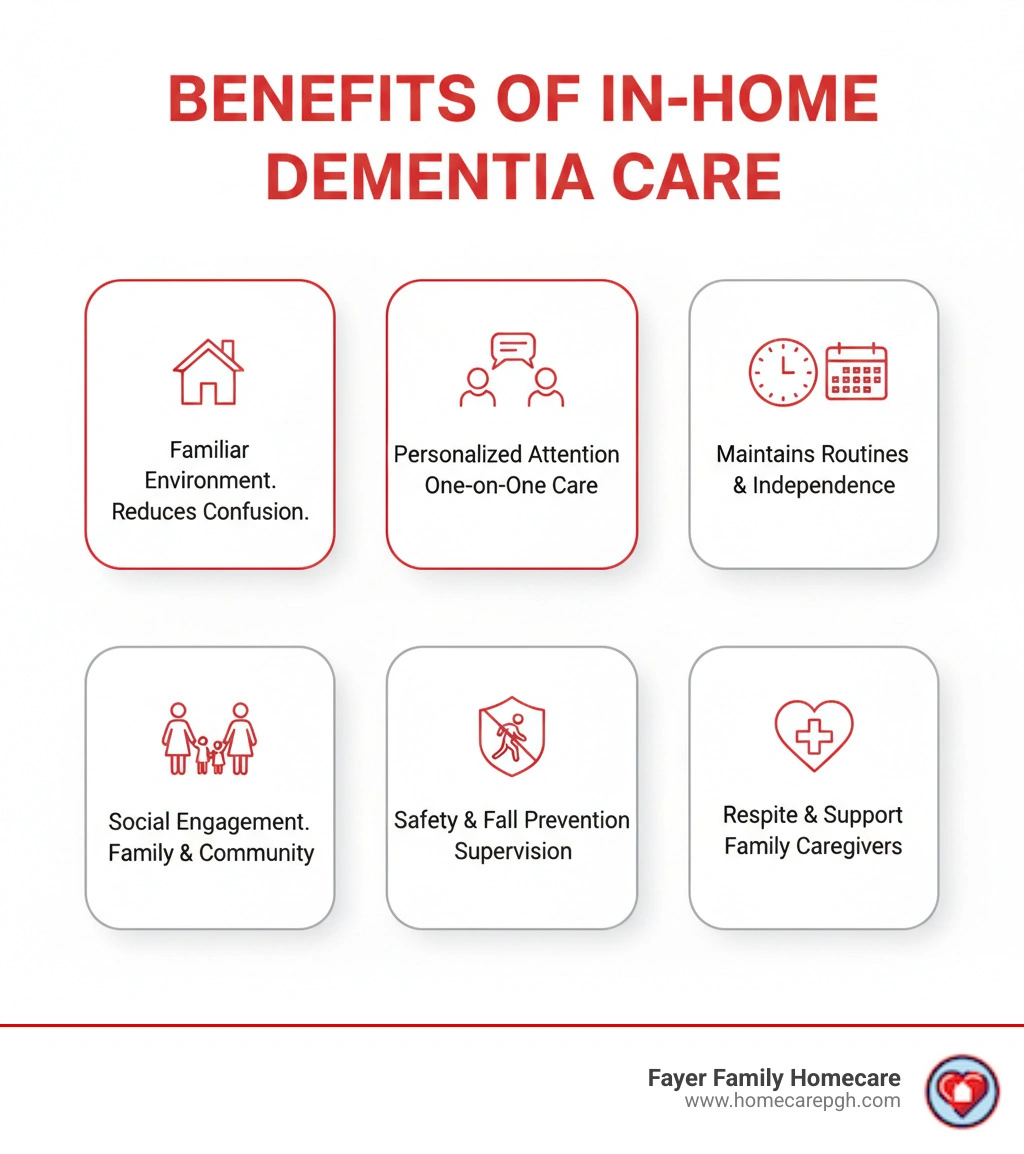
When a loved one is living with dementia, moving them to a facility can be an overwhelming thought. Dementia home care services offer an alternative, providing non-medical support in the place they know best: their own home. Familiar surroundings act as an anchor, reducing the confusion and anxiety common with memory loss.
In-home care is about maintaining independence and quality of life. It allows your loved one to continue their daily routines in a comfortable environment, which is crucial when so much else feels uncertain.
At Fayer Family Homecare, we believe in a person-centered approach. We see your loved one as a person first, not a diagnosis. Our care is custom to who they are—their preferences, history, and personality. While people often use "Alzheimer's" and "dementia" interchangeably, understanding the distinctions can affect care. Our guide on Understanding the Difference Between Alzheimer's and Dementia explains this further.
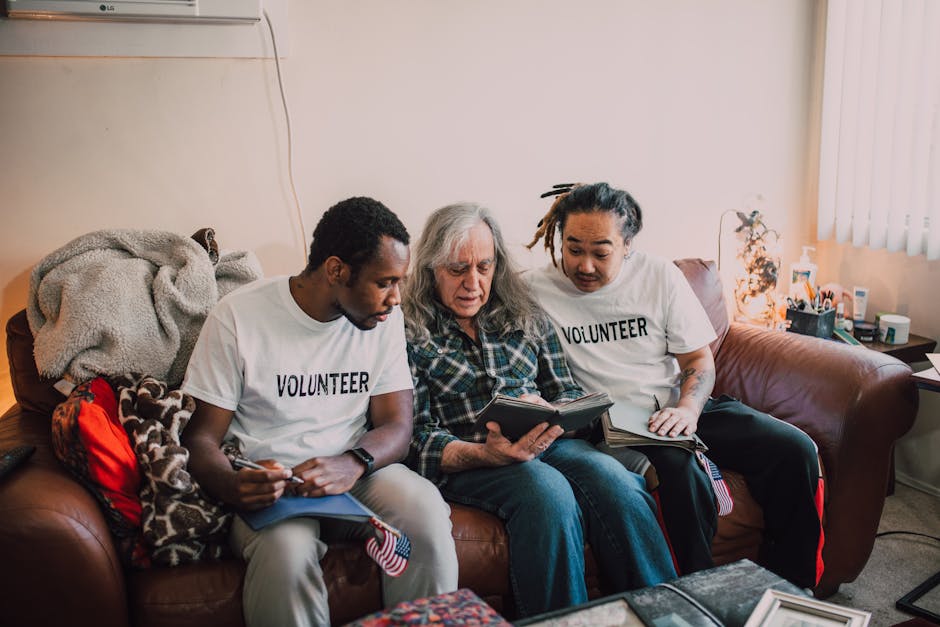
Dementia home care services are a spectrum of support that adapts as your loved one's needs change.
You can explore our full range of options on our services page.
Our caregivers assist with Activities of Daily Living (ADLs) to provide comprehensive support.
In home care, "memory care" and "dementia care" are closely related but have a subtle difference in focus.
Memory care typically addresses early-stage cognitive decline. The focus is on preserving cognitive function through structured activities, engagement, and maintaining independence.
Dementia care covers the full spectrum of the disease, including more advanced stages. It involves progressive symptom management, addressing complex behavioral changes, and increased personal care needs as the condition evolves.
At Fayer Family Homecare, we provide comprehensive care across this entire spectrum, adapting our support as your loved one's needs change. For more on advanced care, our article on Alzheimer's Patient Care offers practical guidance.
For someone with dementia, home is a powerful anchor. Choosing dementia home care services honors their comfort and dignity, with benefits that extend to the whole family.
The comfort of familiar surroundings is paramount. A familiar environment significantly reduces confusion and anxiety, two of the most distressing symptoms of the disease. It eliminates the constant disorientation that a new setting can cause.
Personalized one-on-one attention is a cornerstone of in-home care. The caregiver's sole focus is on your loved one, allowing care to adapt to their unique personality, preferences, and daily rhythms. This individualized approach can slow cognitive decline by keeping the mind stimulated and engaged.
Maintaining daily routines provides a predictable structure that helps people with dementia steer their day with less stress. This consistency builds confidence and reduces anxiety.
Social engagement with a caregiver becomes a source of companionship that combats the isolation that often accompanies dementia. Our caregivers become trusted friends who share stories, laughter, and meaningful connection. Learn more in our guide on Dementia Companionship Care.

Caring for a loved one with dementia is demanding. The constant vigilance, worry, and interrupted sleep can lead to exhaustion. You can't pour from an empty cup.
Respite care is a necessity, not a luxury. When a professional caregiver steps in, you get a chance to breathe, attend to your own health, and spend time with other family members. Preventing your own burnout is essential for sustaining care long-term.
The peace of mind from professional care is transformative. You can focus on work or family activities without constant worry, knowing your loved one is safe and cared for. Our caregivers also provide emotional support to the entire family, offering a resource who understands the journey.
Research shows the power of professional support. One Johns Hopkins study found that patients with regular contact from a care coordinator were less likely to move out of their home. With 97% to 99% of individuals with dementia and their caregivers having unmet needs, seeking help is a wise and loving choice. For additional resources, the VA offers valuable information for caregivers.
Safety is a primary concern for families, and for good reason. A Johns Hopkins study revealed that more than 90% of patient needs for those with dementia were home safety-related. This is where professional home care makes an immediate impact.
By proactively addressing these safety fundamentals, we create an environment where your loved one can live with dignity and comfort. For more tips, see our article on Alzheimer's Care at Home.
Deciding to bring dementia home care services into your life is a big step. This guide will walk you through the practical process, from finding a provider to preparing your home, so you can move forward with confidence.

Finding the right caregiver is about trust and compatibility. Start with trusted sources like your loved one's doctor, the Eldercare Locator, or your local Alzheimer's Association chapter. Word-of-mouth recommendations are also invaluable.
Schedule consultations with at least three agencies to find the right fit. During these meetings, ask key questions:
At Fayer Family Homecare, we conduct comprehensive screenings and work to match caregivers to your loved one's personality and interests. For more tips, read our article on How to Find Reliable Alzheimer's Care Near You.
Dementia care requires specific expertise beyond basic skills. Look for caregivers with:
Costs for dementia home care services vary by location and the level of care required. In the Greater Pittsburgh Area, Fayer Family Homecare can provide a specific quote during a free consultation.
Nationally, the median annual cost for in-home care is around $59,488. Costs are influenced by the number of hours needed and the intensity of care. While this may seem high, it is often competitive with residential options like assisted living (which often has add-on fees for dementia care) or nursing homes, which can cost over $9,000 per month.
Payment options include:
Simple home modifications can dramatically improve safety. A Johns Hopkins study found over 90% of unmet needs for people with dementia are safety-related.
When exploring dementia home care services, it's natural to have questions. Here are answers to some of the most common ones we hear from families in the Greater Pittsburgh Area.
In-home care is designed to be flexible. The process begins with a comprehensive initial assessment to create a personalized care plan. We then conduct regular reassessments to monitor for changes in cognitive ability, physical needs, or behavior. As the disease progresses, the care plan is adjusted accordingly. This could mean increasing service hours, adding personal care tasks, or transitioning to 24-hour supervision. This all happens in the comfort of your loved one's home, with constant communication with the family to ensure everyone is aligned.
While a crisis can make the need for care obvious, signs often appear gradually. Look for these red flags:
Understanding a few key legal points protects everyone involved.
Caring for someone with dementia is a challenging journey, but you don't have to do it alone. Dementia home care services allow your loved one to stay in the comfort of their home while receiving the personalized support they deserve.
The benefits are clear: maintaining independence, reducing confusion, and providing families with much-needed respite. It's about preserving quality of life and honoring the person behind the diagnosis.
At Fayer Family Homecare, we understand this. Our experienced home caregivers in the Greater Pittsburgh Area receive specialized training for Alzheimer's and Dementia patients. We are equipped to provide a full spectrum of support, from companionship to 24-hour care, always adapting to your loved one's evolving needs.
Our commitment is to truly personalized care. We take the time to understand your loved one's story and preferences to ensure their comfort, safety, and dignity. We also support your entire family, providing the peace of mind that allows you to return to your role as a son, daughter, or spouse, rather than a full-time caregiver.
If you're considering dementia home care services, we invite you to take the next step. Learn more about our specialized Alzheimer's & Dementia Care and find how our compassionate approach can bring comfort and safety to your family. We're here to walk alongside you, every step of the way.


November 17, 2025
Beyond the Basics: Unpacking Daily Living Support for SeniorsDiscover when seniors need assistance with daily living, understand ADLs/IADLs, and explore compassionate home care options.
Read Article
June 1, 2026
From Family to Professional: Exploring Senior Caregiving SolutionsDiscover senior caregiving solutions: from family support to professional in-home care, burnout prevention, and safety tips.
Read Article
March 23, 2026
The Ultimate Guide to Free In-Home Care AssessmentsDiscover everything about a free in home care assessment. Prepare, understand the process, and develop a personalized care plan for your senior.
Read Article