Why Pittsburgh Families Are Choosing Home Care for Their Loved Ones
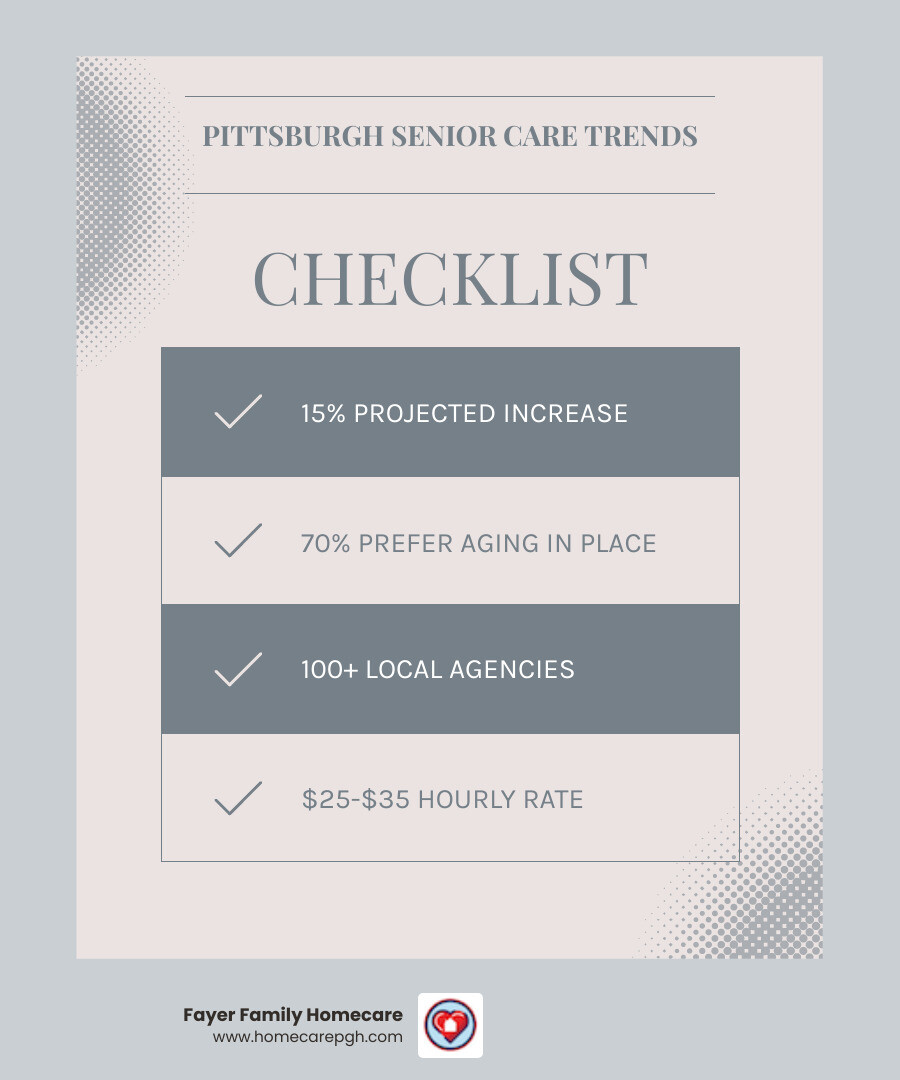
Home care in Pittsburgh is changing how families approach senior care, offering a compassionate alternative that allows elderly loved ones to maintain their independence and dignity. In a city where the 65+ population is set to grow by 15% by 2030, finding the right support is crucial.
Options range from non-medical personal care and companionship to skilled home health services, with specialized support for dementia and respite care. Costs typically fall between $25-$35 per hour, and families can use private pay, insurance, VA benefits, or PA waivers.
This shift is driven by a powerful preference: over 70% of seniors want to age in place. This desire for familiar surroundings often leads to better health outcomes and a higher quality of life. As one local provider notes, "Finding the right type of care for a loved one can be a highly emotional decision." Home care answers this need by providing professional support that preserves cherished routines and family connections, something institutional care cannot replicate.
Understanding the Landscape: Home Care vs. Home Health Care
When searching for care, the terminology can be confusing. Understanding the two main types of home care in Pittsburgh is the first step.
- Home care is non-medical support for daily living. It includes personal care, companionship, and household tasks to maintain independence and quality of life. No doctor's order is needed.
- Home health care is skilled medical care delivered by licensed professionals. It requires a physician's order and often follows a hospital stay or injury.
Think of it as help with daily life versus bringing the doctor's office to you. The table below breaks down the key differences.
| Feature | Home Care | Home Health Care |
|---|
| Primary Focus | Non-medical assistance, personal support, companionship, daily living | Medical treatment, skilled nursing, rehabilitation, clinical monitoring |
| Services | Activities of Daily Living (ADLs), Instrumental ADLs, housekeeping, meal prep, transportation, companionship, supervision, recreational activities | Skilled nursing, physical therapy, occupational therapy, speech therapy, wound care, medication management, post-surgical care, hospice support |
| Provider | Home health aides, personal care aides, companions, experienced home caregivers | Registered Nurses (RNs), Licensed Practical Nurses (LPNs), physical therapists, occupational therapists, speech therapists, medical social workers |
| Duration | Can be long-term or ongoing, from a few hours a week to 24/7 | Typically short-term, episodic, or intermittent, following an illness, injury, or surgery |
| Requirement | No physician's order needed | Requires a physician's order and often a specific medical need |
| Goal | Maintain independence, improve quality of life, prevent institutionalization, provide comfort and cleanliness | Recover from illness/injury, manage chronic conditions, improve function, prevent re-hospitalization |
For more comprehensive information about medical services delivered at home, you can learn more about Home Health Pittsburgh, PA.
What is Non-Medical Home Care?
Non-medical home care in Pittsburgh is about helping people live their best lives at home. This support focuses on two key areas:
- Activities of Daily Living (ADLs): Essential personal tasks like bathing, dressing, grooming, and moving around safely. Our caregivers handle these moments with skill and sensitivity.
- Instrumental Activities of Daily Living (IADLs): Tasks that keep a household running, such as meal preparation, light housekeeping, laundry, medication reminders, and transportation.
Companionship is also a vital service, combating the loneliness and isolation that can affect seniors. Having someone to chat with or share an activity with can transform a person's day.
The beauty of non-medical care is its flexibility, from a few hours a week to 24/7 support, always aiming to maintain independence while ensuring safety, cleanliness, and comfort. This support provides families with peace of mind, knowing their loved one is safe and connected. Learn more in our guide to In Home Care in Pittsburgh, PA.
What is Home Health Care?
Home health care brings clinical expertise into the home. Prescribed by a doctor and delivered by licensed professionals, it's designed for medical recovery and management.
Key services include:
- Skilled Nursing: Registered Nurses (RNs) and Licensed Practical Nurses (LPNs) handle medical tasks like wound care, injections, and medication management.
- Therapy Services: Physical therapy helps restore mobility and strength, while occupational therapy focuses on adapting daily tasks to overcome physical limitations.
- Post-Hospitalization Care: This allows patients to recover safely at home after a hospital stay, reducing the risk of readmission.
All home health services require a doctor's prescription and a plan of care, ensuring the treatment is medically necessary. It's typically a short-term bridge from hospital to home. For more details, visit our resource on Home Health Services Pittsburgh.
The Benefits of Choosing Home Care in Pittsburgh
When families in Pittsburgh are faced with caring for an aging loved one, the choice to bring professional help into the home can feel overwhelming. But choosing home care in Pittsburgh isn't just about getting assistance with daily tasks - it's about preserving what matters most to your loved one while ensuring they receive the support they need.

The most profound benefit is honoring your loved one's deep desire to age in place. Home provides a comfort that facilities can't match, especially for those with memory challenges. A dedicated caregiver provides personalized one-on-one attention, eliminating the need to compete for help. This model is often more cost-effective than facilities when 24/7 medical supervision isn't required.
Crucially, home care allows seniors to maintain their social connections without the restrictions of visiting hours. Friends and family can visit freely, preserving the relationships vital to emotional well-being. The goal is to improve quality of life while preserving independence. To learn more, explore our insights on Aging in Place Pittsburgh.
Signs It Might Be Time for In-Home Assistance
Recognizing the need for support is key. Watch for subtle changes that suggest it might be time for home care in Pittsburgh:
- Difficulty with daily tasks: A messy home, spoiled food, or declining personal hygiene can signal that daily activities have become overwhelming.
- Physical changes: Recent falls, unexplained bruises, or noticeable weight loss may indicate mobility or nutrition issues.
- Social withdrawal: A loved one pulling back from hobbies, friends, or community groups can be a sign of loneliness or depression.
- Forgetfulness: Missing appointments or forgetting medication can point to cognitive changes that require supervision.
- Family caregiver burnout: If you feel exhausted or overwhelmed, it's a sign that you need professional support.
Being proactive and arranging a free in-home evaluation can help you understand your options before a crisis occurs.
Specialized Support for Dementia and Alzheimer's
Caring for someone with dementia or Alzheimer's requires specialized skills. Our caregivers receive specific training to provide compassionate support in a familiar home environment.
Key aspects of our care include:
- Creating safe environments: We adapt the home to prevent wandering and reduce confusion, minimizing hazards and clutter.
- Cognitive stimulation: We engage clients with meaningful activities like looking at photo albums or listening to music to spark positive interactions.
- Routine management: We help maintain daily routines to provide structure, which reduces anxiety and confusion.
- Behavioral support: Our caregivers are trained to respond to agitation or confusion with compassion and reassurance, not correction.
This specialized care also provides essential respite for families, allowing them to rest and recharge. For more information, visit our page on Alzheimer's & Dementia Care.
How to Choose the Right Home Care Provider
Selecting the right home care in Pittsburgh provider for your loved one can feel overwhelming, especially when you're dealing with the emotions that come with this important decision. With so many options available in our community, it's natural to wonder where to start and what really matters.

Start by focusing on agency reputation through community trust and word-of-mouth referrals. Ensure any agency is properly licensed by Pennsylvania and carries full liability and workers' compensation insurance. This is your safety net. Read client testimonials to get a sense of real-world experiences.
A reputable agency will offer a free in-home assessment. Use this opportunity to gauge their approach and ensure they listen to your needs. The goal is to find a partner who will create a personalized care plan that respects your loved one's routines and preferences. For more guidance, visit our resource on Home Care Agencies in Pittsburgh, PA.
What to Look for in a Provider for Home Care in Pittsburgh
When comparing providers, ask these key questions:
- Screening Process: How are caregivers vetted? Look for comprehensive background checks and reference verification.
- Training: Do they provide ongoing education, especially for specialized care like dementia?
- Care Plans: Is the process collaborative? Are plans regularly reassessed?
- Emergencies: What are their emergency protocols and is 24/7 support available?
- Communication: How will the agency keep you informed?
Also, consider differentiating factors like being nurse-owned or family-owned, which can align with your family's values. To learn about our approach, visit our About Us page.
Caregiver Qualifications and Safety Measures
At the heart of quality home care in Pittsburgh are the caregivers themselves. We ensure every professional meets high standards.
Comprehensive background checks are non-negotiable for safety and trust. We verify skills in personal care (ADLs) and household management (IADLs). Ongoing training is prioritized, especially for dementia care and safety protocols, to keep skills current.
Beyond technical skills, we focus on compassion and personality matching to create genuine companionship. Agency supervision through regular check-ins ensures consistent, high-quality care. This commitment to quality is crucial as the demand for skilled caregivers in Pennsylvania continues to grow. When you choose a provider, you're welcoming a caring professional into your life.
Navigating the Costs and Funding of Senior Care
Understanding the costs of home care in Pittsburgh makes planning more manageable. Several funding paths can make in-home care accessible.
- Private Pay: Paying directly offers the most flexibility in choosing services and hours.
- Long-Term Care Insurance: If your loved one has a policy, it may cover a significant portion of non-medical home care. Review the policy for details on coverage and eligibility.
- Veterans Benefits: The VA Aid and Attendance Pension Program helps eligible veterans and their spouses cover in-home care costs.
- Pennsylvania Waivers: Government programs like Community HealthChoices (CHC), ACT 150, and the OBRA Waiver can help eligible individuals receive care at home.
For more on local resources, see our guide to Pittsburgh Senior Services.
Understanding the Costs of Home Care in Pittsburgh
Home care in Pittsburgh typically costs $25 to $35 per hour, depending on the level of care needed. Personal care may have a higher rate than companionship. For those needing extensive support, live-in care can be a cost-effective alternative to hourly billing.
When creating a budget, be transparent about your financial situation. A quality agency will work with you to design an affordable plan. When comparing costs, the cheapest option isn't always the best value. A slightly higher rate might include better-trained caregivers and superior support. Always ask for a detailed cost estimate upfront.
How Families Can Be Involved in the Care Process
Family involvement turns home care in Pittsburgh into a true partnership. During initial care planning, share your unique knowledge of your loved one's preferences and history. Maintain regular communication with the agency to provide feedback and discuss changes.
Your presence is invaluable. Participating in activities and providing emotional support through visits and calls strengthens family bonds and contributes to your loved one's happiness. Acting as a key point of contact for the family streamlines communication and decision-making, ensuring care remains coordinated and responsive.
The Modern Caregiver Experience in Pittsburgh
The world of home care in Pittsburgh has transformed dramatically over the past decade. Today's caregivers are part of a dynamic profession that combines traditional compassion with cutting-edge tools to deliver exceptional care.
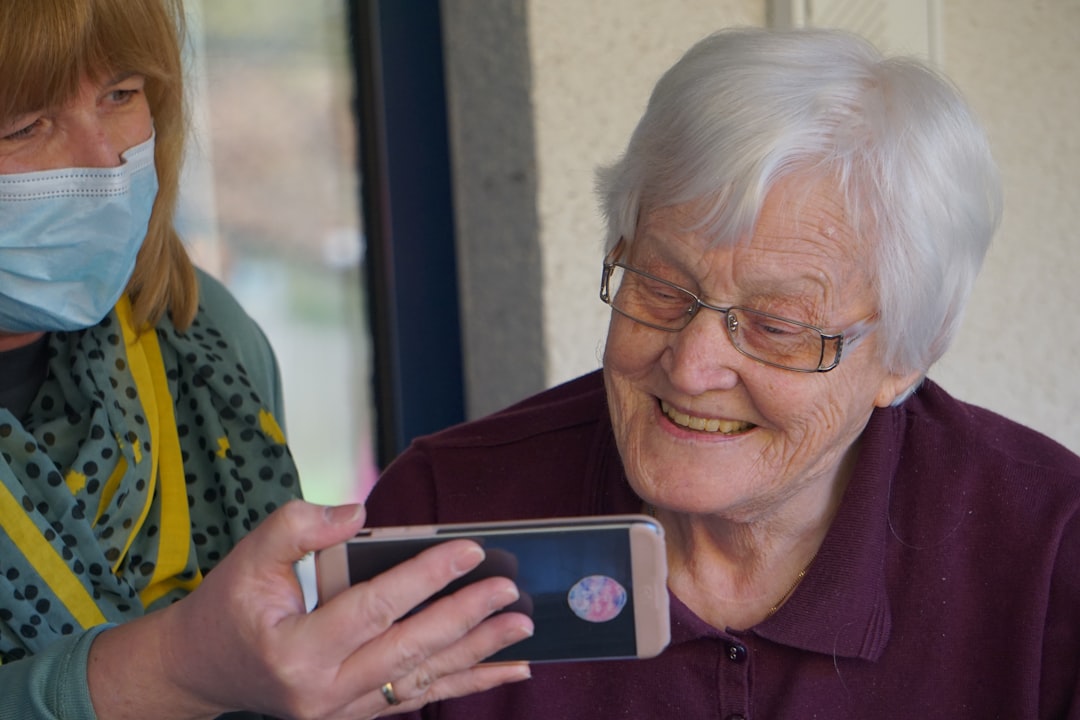
With demand for home health aides in Pennsylvania expected to grow by 20%, caregiving is a dynamic and respected career. Today's caregivers are relationship builders who use modern tools to deliver exceptional care. They use tablets for care logs, communicate with families via digital platforms, and employ innovative safety tools. They are no longer just helpers; they are trusted professionals who enable independence and improve quality of life.
The Role of Technology in Modern Home Care
Technology is a game-changer in home care in Pittsburgh, making care safer and more connected.
- Medical alert systems with automatic fall detection provide peace of mind.
- Home monitoring technology uses sensors to track routines and alert families to unusual changes without being intrusive.
- Digital care logs and online portals allow families to receive real-time updates and communicate easily with caregivers, even from a distance.
These tools improve, rather than replace, the vital human connection at the heart of caregiving.
Opportunities for Caregivers in Pittsburgh
With over 100 home care agencies in the area and a projected 20% growth in demand for aides, caregiving in Pittsburgh is a stable and rewarding career.
The field offers flexibility with part-time, full-time, and live-in options to fit various lifestyles. More importantly, it provides the opportunity to make a genuine difference by helping seniors stay in their homes, supporting families, and offering companionship. Agencies actively support new caregivers with training and mentorship. If you have a compassionate heart, this is a career where you can grow. Learn more about becoming a caregiver and joining a profession that enriches our community.
Conclusion
Choosing home care in Pittsburgh represents more than just finding help with daily tasks—it's about honoring your loved one's wish to remain in the place they call home while ensuring they receive the compassionate support they deserve.
As we've explored, home care makes this a reality for the over 70% of seniors who prefer to stay home. It offers personalized, one-on-one attention in familiar surroundings, which is often more cost-effective and better for maintaining social connections than facility care. From understanding the difference between non-medical and home health care to recognizing the signs that help is needed, being informed allows you to act proactively.
At Fayer Family Homecare, we are committed to providing specialized care for aging individuals and those with Dementia or Alzheimer's in the Greater Pittsburgh Area. Our experienced home caregivers offer companionship, supervision, and support, ensuring cleanliness, comfort, and joy in daily life. We believe every senior deserves to live their best life at home, and our mission is to provide the compassionate, reliable care that gives families peace of mind.
Ready to learn how we can support your family's unique needs? Explore our comprehensive home care services today and find the difference personalized, compassionate care can make in your loved one's life.

.svg)