
May 1, 2025
Becoming a Companion for the Elderly: Essential Tips and RequirementsDiscover being a companion to the elderly—key duties, training, costs, and steps to start a rewarding caregiving role today.
Read Article
.svg)
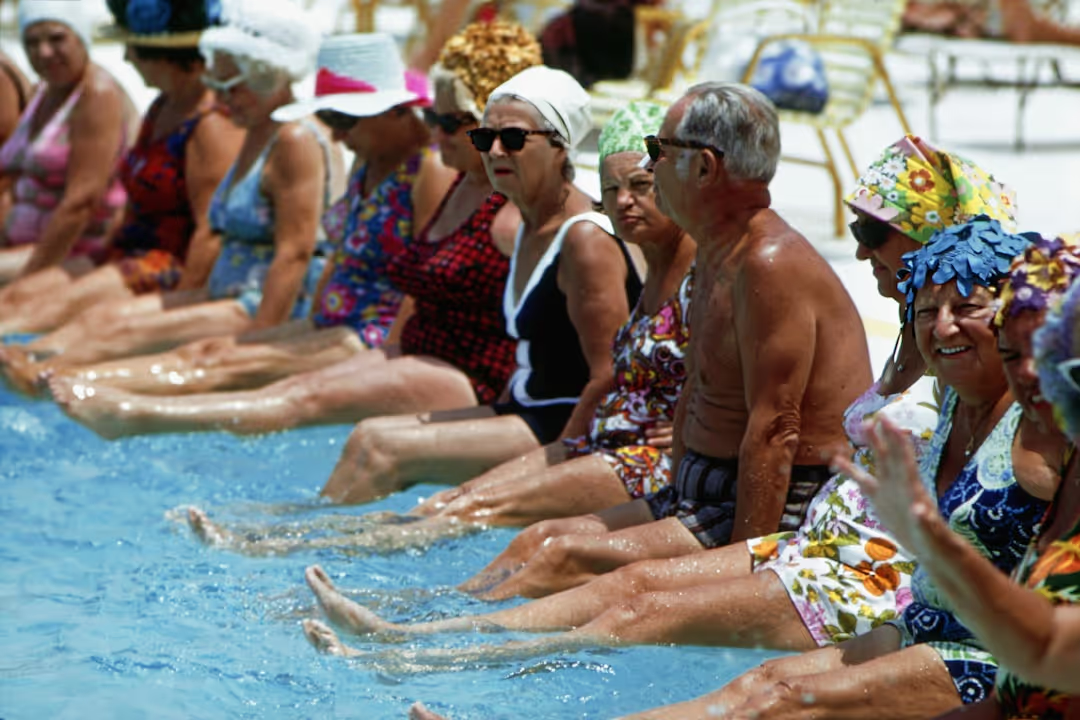
Elderly activity programs offer seniors structured opportunities to stay physically active, mentally engaged, and socially connected. If you're searching for programs for an aging parent or family member, you'll find options at local senior centers, community facilities, and through government aging services. These programs range from gentle exercise classes and creative workshops to educational courses and social gatherings—many available at low or no cost.
Quick Guide: Where to Find Programs
Specialized fitness programs help seniors maintain their strength, fitness, and overall well-being. This isn't just about keeping busy—research shows that educational, social, and physical activity programs significantly improve mental and physical health outcomes, reduce loneliness and social isolation, and improve quality of life among participants.
For families caring for aging loved ones, finding the right activity program can feel overwhelming. Your parent may be living alone and at risk of isolation. They might have specific health concerns like arthritis or balance issues. Perhaps they're showing early signs of cognitive decline, or you're simply worried about their safety and engagement.
This guide will help you understand the types of programs available, where to find them in your community, and how to choose options that match your loved one's needs and abilities. We'll also explore how in-home caregivers can support participation in these activities when transportation or encouragement is needed.
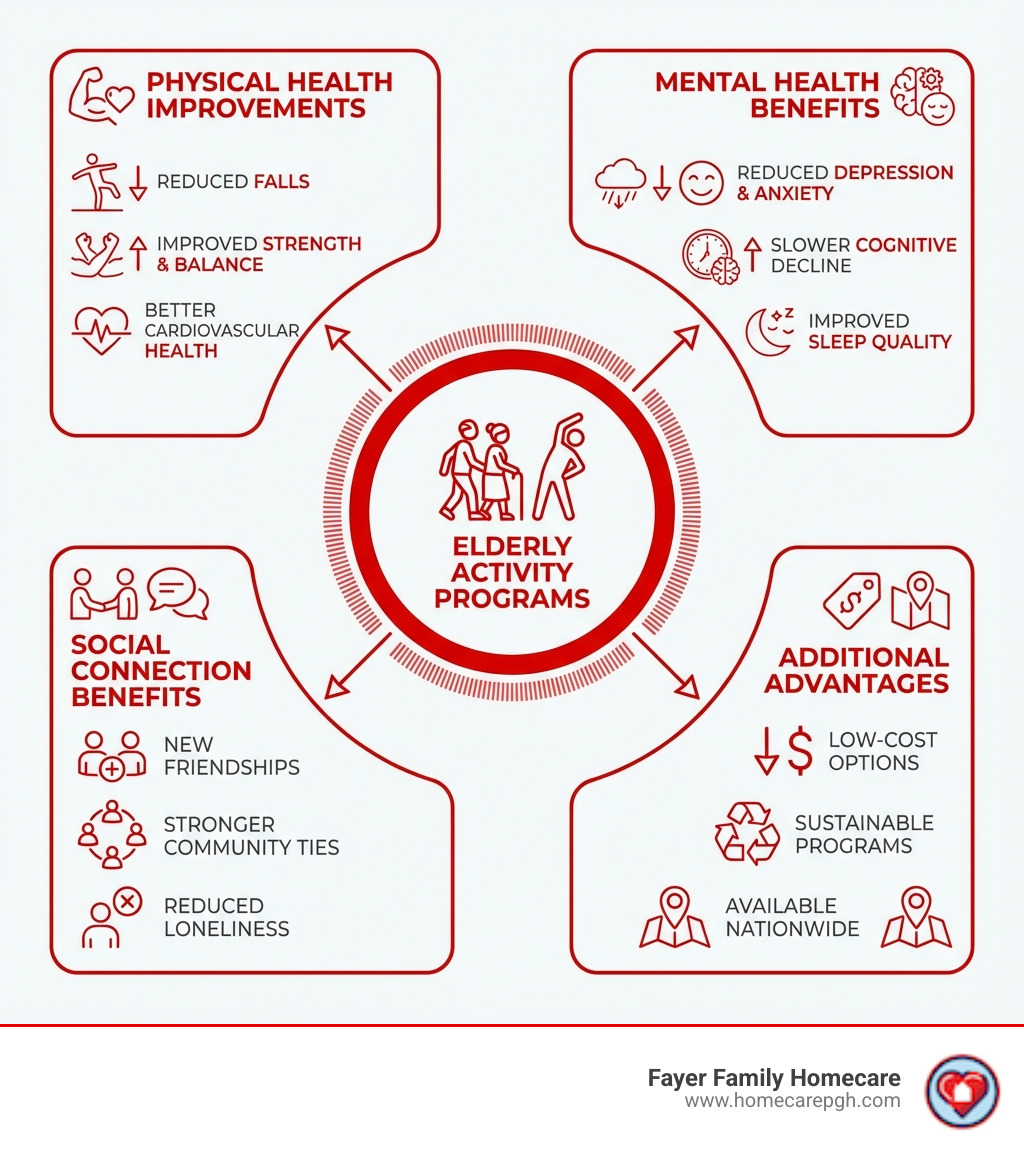
As our loved ones age, their needs evolve, but the fundamental human desire for engagement and connection remains. Elderly activity programs are far more than just a way to pass the time; they are vital tools for promoting holistic well-being. Research strongly supports that educational, social, and physical activity programs for older adults improve mental and physical health outcomes, reduce loneliness and social isolation, and improve emotional well-being and quality of life among participants. These benefits are not just theoretical; they translate into a better, more fulfilling life for seniors and peace of mind for their families.
We understand that you want the best for your aging family member, and a key part of that is ensuring they remain active and engaged. From preventing physical decline to boosting mood and fostering new friendships, the advantages of these programs are truly transformative. As we discussed in our article, Stay Active, Stay Healthy: How Senior Home Care Supports Active Aging, staying active is crucial for healthy aging.
One of the most immediate and tangible benefits of elderly activity programs is the improvement in physical health and mobility. As we age, maintaining physical function becomes increasingly important for independence and quality of life. Regular physical activity can dramatically impact this.
Physical activity programs have been shown to reduce falls, improve strength, walking performance, and balance. This is particularly important for preventing injuries that can lead to a significant decline in health. For instance, programs like a modified Tai Chi, developed by researchers at the Oregon Research Institute, specifically target balance improvement and fall prevention. The CDC recommends that adults aged 65 and up get at least 2.5 hours of physical activity each week, combining both aerobic and muscle-strengthening activities. For more details, you can refer to the CDC guidelines for older adult activity.
Beyond general fitness, these programs are invaluable for managing chronic conditions. Older adults, especially those with arthritis, can greatly benefit from specialized, evidence-based fitness programs. Participants in these programs have reported significant improvements in physical functioning and even reduced healthcare costs compared to non-participants. We've seen how personalized support and custom exercise plans, often available at community centers, can make a real difference in maintaining strength and flexibility. Evidence also shows that exercise interventions can effectively reduce the risk of falls in frail older adults, as highlighted in a systematic review on exercise reducing falls in frail older adults.
It's not just the body that benefits; the mind thrives on activity too. Elderly activity programs play a crucial role in boosting mental well-being and cognitive function. Engaging in regular activities can significantly reduce the risk of depression and anxiety, common challenges for seniors, particularly those living alone. Physical activity, for example, has been shown to reduce depression severity in older people, according to a systematic review and meta-analysis of randomized controlled trials on preventing depression with physical activity.
Furthermore, these programs can help slow cognitive decline. Studies indicate that social engagement and group activities—such as participatory art activities or community choirs—can benefit cognition, mental health, and emotional well-being. Senior center activities, in particular, may contribute to reducing cognitive decline. This is also supported by research on community groups and well-being, which notes the positive impact of community group membership on multidimensional subjective well-being in older age.
Beyond these critical benefits, consistent engagement in activities can improve sleep quality, leading to better overall health. Perhaps most importantly, these programs foster a renewed sense of purpose. When seniors have something to look forward to, a skill to learn, or a group to connect with, it instills a valuable sense of meaning and accomplishment in their daily lives.
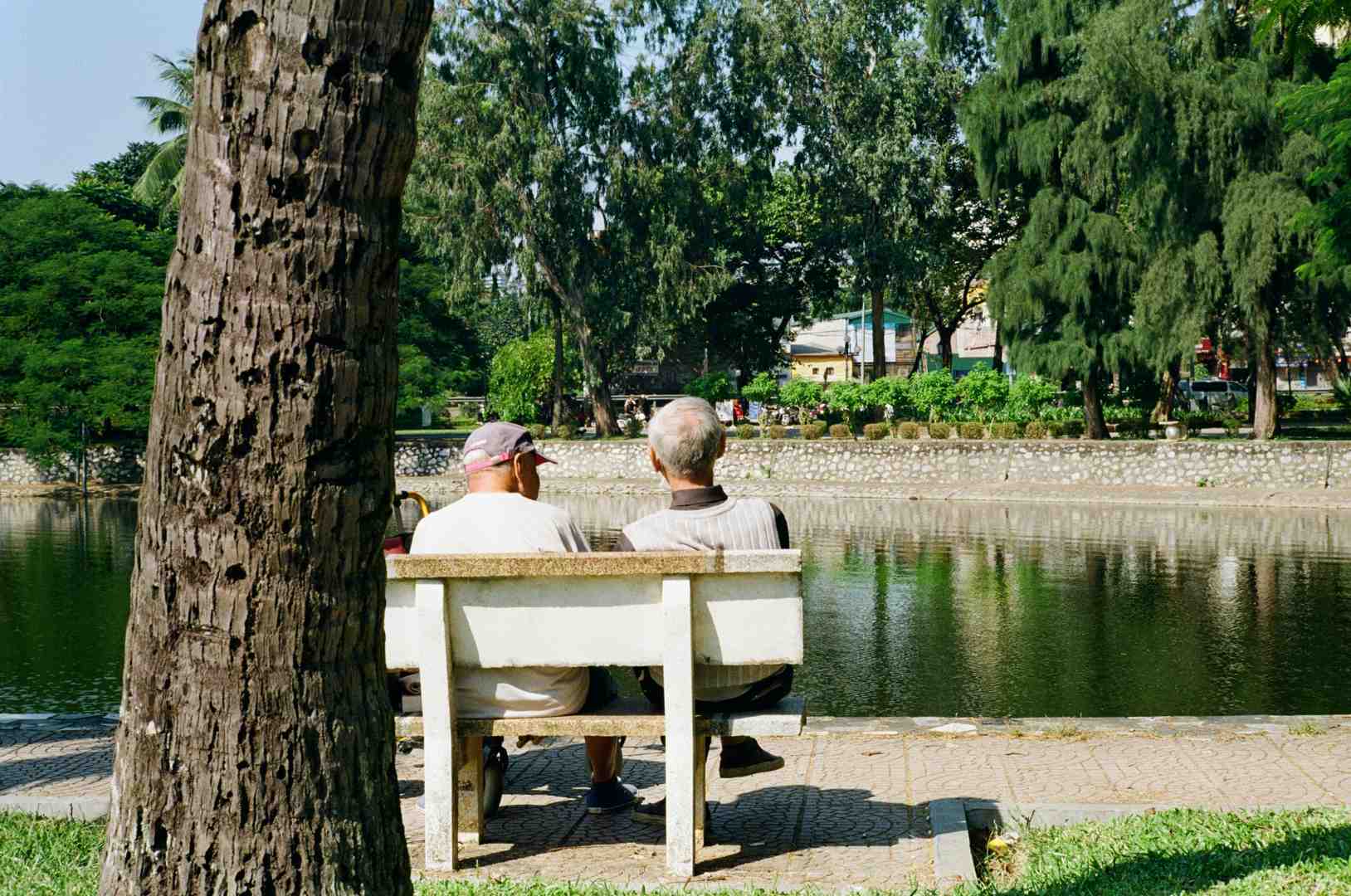
One of the most concerning issues facing older adults, especially those living alone, is social isolation and loneliness. Research consistently links social isolation to poorer health outcomes. Elderly activity programs are powerful antidotes to this challenge, creating environments where seniors can build new friendships and strengthen community ties.
Imagine your loved one enjoying a vibrant meal with peers at a local senior center, sharing stories and laughter. This simple act of communal dining is a cornerstone of many programs. Senior centers have been shown to foster new supportive friendships among older women who live alone. These interactions are invaluable, changing feelings of loneliness into a sense of belonging. As outlined in a systematic review on preventing social isolation, health promotion interventions can effectively prevent social isolation and loneliness among older people.
In our article, The Role of Nutrition in Senior Home Care: Promoting Healthy Aging, we emphasized the importance of good nutrition. When combined with social meals at a senior center, it addresses both physical and emotional needs, making the experience even more beneficial. These programs create a supportive network, ensuring seniors feel connected, valued, and less alone.
The beauty of elderly activity programs lies in their diversity. There's truly something for everyone, regardless of physical ability, cognitive level, or personal interest. We encourage families to explore the wide array of options available, keeping in mind their loved one's unique personality and needs.
Here's a list of popular activity categories for seniors:
Keeping the body moving is paramount for healthy aging. Many elderly activity programs focus specifically on physical fitness, tailoring activities to be safe and effective for seniors.
Evidence-based programs are specifically designed for older adults, particularly those with arthritis, offering exercises that improve strength, flexibility, balance, and cardiovascular health. As we highlighted in Starting the New Year with a Healthy Lifestyle for Seniors, incorporating regular physical activity is key to a vibrant senior life.
We understand that not all seniors have the same abilities or health conditions. Thoughtfully designed elderly activity programs recognize this and offer adaptations or specialized options.
For seniors with conditions like arthritis or balance issues, many programs are custom to accommodate their needs. For example, some arthritis management programs provide exercises suitable for those with joint pain. Similarly, Tai Chi programs are often modified to specifically address balance challenges.
Modifying activities for physical disabilities is also a common practice. This might involve seated exercises, adaptive equipment, or smaller group settings with more personalized attention. The goal is always inclusion, ensuring that every senior can participate and benefit.
For those facing cognitive challenges, such as Dementia or Alzheimer's, specialized activities are crucial. These programs focus on cognitive stimulation, sensory engagement, and maintaining a sense of familiarity and comfort. Our article, Dementia Activities at Home, offers insights into engaging activities. We also provide dedicated Alzheimer's & Dementia Care services, where our caregivers can facilitate these activities, both at home and within community settings.
While specific examples of culturally diverse programs within the Greater Pittsburgh Area might require local inquiry, many community centers strive to offer activities that resonate with various cultural backgrounds, ensuring that all seniors feel welcome and represented. This might include cooking classes, music, or storytelling sessions from different traditions.
Beyond physical activity, fostering social connections, nurturing creativity, and encouraging lifelong learning are equally vital. Elderly activity programs offer a rich mix of options in these areas.
These types of programs help seniors stay engaged and connected, contributing to their overall well-being. Our Personal Care Services can include assistance with getting to and from these enriching activities, ensuring your loved one doesn't miss out due to transportation challenges.
Finding the right elderly activity programs for your loved one in the Greater Pittsburgh Area is easier than you might think, thanks to a robust network of community and government resources. We're here to help you steer these options.
The first step is to tap into local resources that are specifically designed to support seniors.
For families seeking comprehensive support, our Elder Care Pittsburgh services can help connect your loved one with these local resources and provide the necessary assistance to participate.
We know that cost can be a concern, but many elderly activity programs are designed to be affordable or even free, ensuring accessibility for all seniors.
These programs are not only feasible and low cost but also sustainable and replicable in many urban and rural communities, making them excellent options for families. The National Council on Aging (NCOA) also highlights the importance of evidence-based programs that are often designed with accessibility and affordability in mind.
We often hear similar questions from families looking to engage their loved ones in elderly activity programs. Here are some of the most common ones, along with our insights.
The Centers for Disease Control and Prevention (CDC) recommends that adults aged 65 and older aim for at least 2.5 hours (150 minutes) of moderate-intensity aerobic activity each week, along with muscle-strengthening activities on 2 or more days a week. This blend of activities helps with better fitness, greater strength and flexibility, and a sense of well-being.
"Activity" can take many forms. Moderate-intensity aerobic activity includes brisk walking, swimming, or dancing. Muscle-strengthening activities can involve lifting light weights, using resistance bands, or even doing bodyweight exercises like standing up from a chair.
However, the most crucial recommendation is always to consult a doctor before your loved one starts any new exercise program. A healthcare professional can provide personalized advice based on their health status and any existing conditions. The CDC physical activity basics page offers more detailed guidance on what counts as physical activity for older adults.
Encouraging an aging loved one to join a new activity program requires patience, understanding, and a touch of strategy. Here are some tips we've found helpful:
The goal is to improve their quality of life, and sometimes that means a gentle nudge. Our article, 5 Ways Home Care Services Can Help Seniors Stay Independent, further illustrates how support can foster independence through engagement.
Being homebound doesn't mean being inactive or isolated. Thankfully, there are many ways to bring elderly activity programs directly to your loved one or adapt them for home participation.
Our Home Care Services in Pittsburgh, PA are designed to support seniors in their homes, ensuring they remain engaged and connected, even if they can't leave the house. We believe that everyone deserves the opportunity to lead a fulfilling and active life, regardless of their circumstances.
The journey of aging can be rich and rewarding, especially when supported by meaningful engagement and connection. Elderly activity programs are not just supplementary services; they are foundational to a senior's physical health, mental well-being, and social vitality. We've seen how these programs can reduce the risk of falls, combat depression, slow cognitive decline, and most importantly, alleviate the pervasive feelings of loneliness and isolation.
For families in the Greater Pittsburgh Area, understanding the diverse range of programs available—from gentle yoga and Tai Chi to art classes and social clubs—and knowing where to find them is the first step toward enriching your loved one's life. Whether it's through local senior centers, community centers, or specialized programs, opportunities abound for every interest and ability level.
At Fayer Family Homecare, we are committed to supporting an active and engaged life for your loved one. We understand that transportation, encouragement, and companionship can sometimes be barriers to participation. Our experienced home caregivers are here to bridge that gap, providing not just assistance with daily tasks, but also the support needed to get to and from these enriching activities. We ensure cleanliness and comfort, allowing your loved one to focus on enjoying their programs and connections.
We invite you to learn more about our customized home care services and how we can partner with you to foster a vibrant and fulfilling life for your aging family member. Let us help your loved one find the joy and benefits of staying active and connected in their golden years.

May 1, 2025
Becoming a Companion for the Elderly: Essential Tips and RequirementsDiscover being a companion to the elderly—key duties, training, costs, and steps to start a rewarding caregiving role today.
Read Article
August 4, 2025
Elderly Care Maids: Compassionate Help for Your Loved OnesDiscover how a maid for elderly care enhances senior independence & home safety. Learn about services, benefits, and how to find the best support.
Read Article
March 17, 2025
The Best Senior Home Companions: A Comprehensive ListDiscover the top benefits of senior home companions for aging in place. Ensure emotional support, daily activity aid, and companionship today!
Read Article