Parkinson's Home Care in Pittsburgh: Help Your Parent Stay Safer at Home
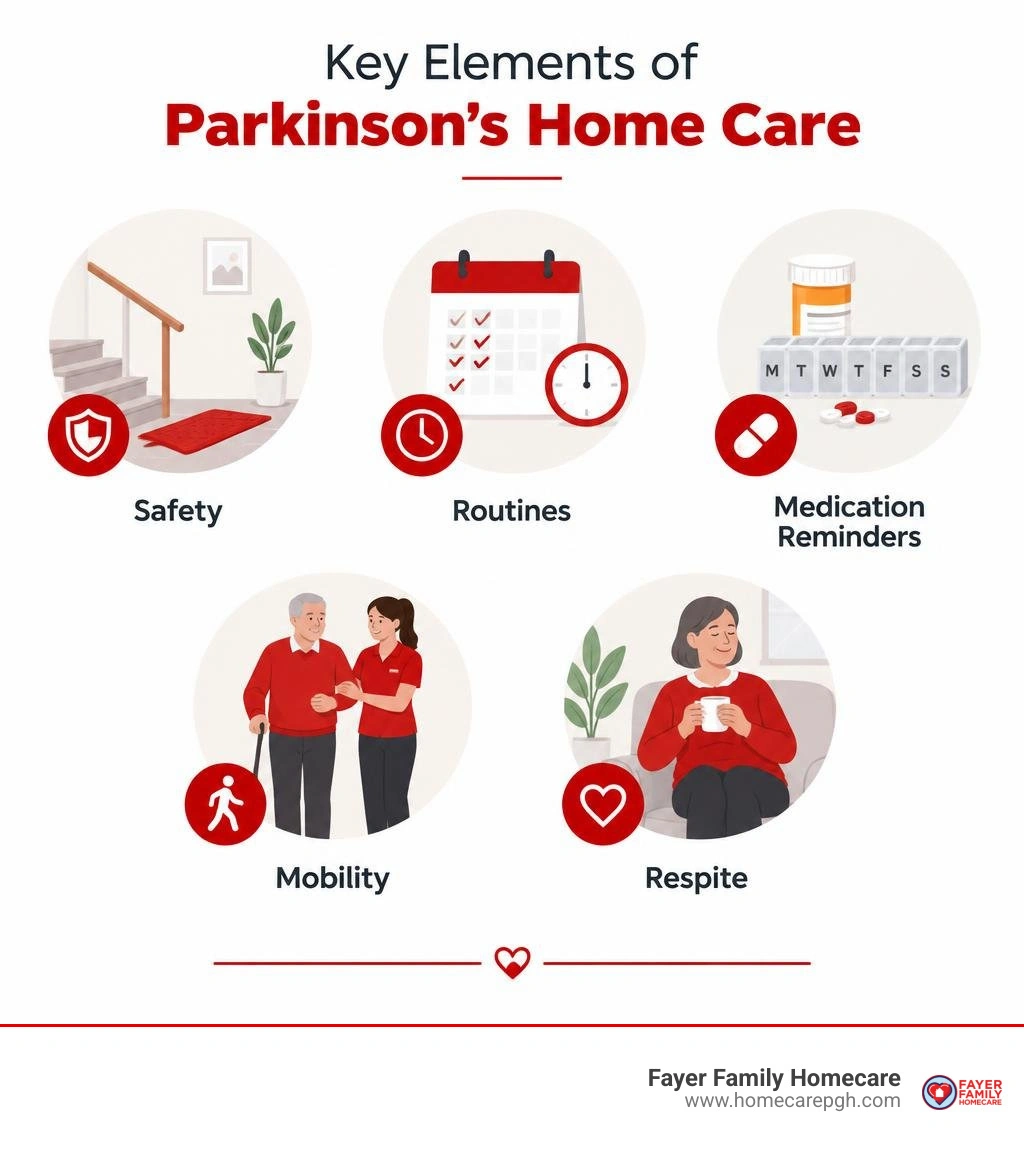
Parkinson's home care in Pittsburgh helps older adults remain at home with support tailored to Parkinson's symptoms. The right care can include help with bathing, dressing, meals, safe walking, medication reminders, companionship, and routines that reduce fall risk. For families, start by assessing whether your parent has new falls, missed medications, freezing while walking, trouble with daily tasks, or caregiver stress. These are signs that added in-home support may help.
Parkinson's is more than tremor. It can affect balance, movement, speech, sleep, mood, and thinking over time. General senior care can provide valuable daily help, but Parkinson's-focused care also accounts for changing mobility, "on" and "off" medication periods, and the need for calm, consistent cues during difficult movements.
With more than 18% of Greater Pittsburgh residents age 65 or older, many local families are trying to balance a parent's wish to age in place with the need for reliable supervision and personal care. Falls are especially important to address: many people with Parkinson's experience a fall each year.
Fayer Family Homecare Staff can help Pittsburgh families understand what level of in-home support may fit their loved one's needs.
Parkinson's home care pittsburgh helpful reading:
Understanding Parkinson's Disease and In-Home Care Needs
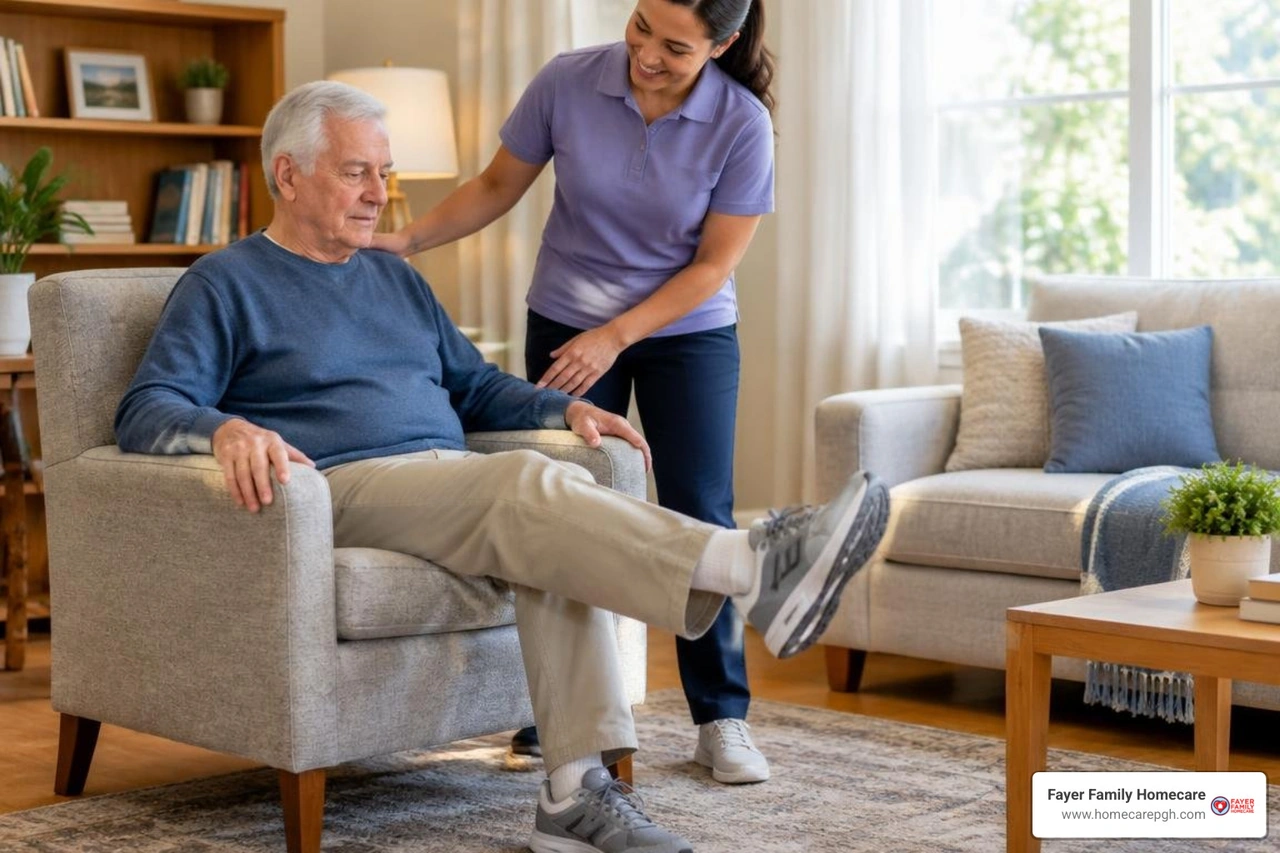
Parkinson's disease is a neurodegenerative disorder that affects roughly 1 million Americans, with an estimated 30,000 to 40,000 individuals living with the condition across Pennsylvania alone. Nearly 90% of individuals diagnosed with Parkinson's express a clear wish to remain in the comfort of their familiar home environment. Fulfilling that wish safely requires an understanding of how Parkinson's impacts both body and mind.
The symptoms of Parkinson's are categorized into motor and non-motor challenges. Motor symptoms include resting tremors, muscle rigidity, bradykinesia (slowed movement), and postural instability. One of the most disruptive motor events is "freezing of gait"—a brief inability to take a step forward, as if one's feet are stuck to the floor.
Non-motor symptoms can be just as impactful. They frequently include:
- Sleep disturbances such as REM sleep behavior disorder
- Mood changes, including anxiety and depression
- Orthostatic hypotension (a sudden blood pressure drop upon standing)
- Cognitive slowing or Parkinson's-related dementia
Because these challenges fluctuate throughout the day, providing assistance with daily living requires patience, specialized techniques, and keen observation. In-home care tailored specifically to Parkinson's goes beyond basic custodial tasks; it creates a supportive environment where your parent can move with greater confidence.
Early Warning Signs and Medical Evaluations
In the initial stages, Parkinson's symptoms often emerge subtly. Family members in Pittsburgh might first notice slight changes in a parent's handwriting—becoming noticeably smaller and cramped (micrographia)—or a soft, muffled speaking voice (hypophonia). Other early signs include a reduced arm swing when walking, a stiff shoulder, or a "masked" facial expression where emotions are harder to read.
When these subtle shifts appear, seeking a formal evaluation from a neurologist or movement disorder specialist is crucial. An early diagnosis opens the door to therapeutic interventions, including physical therapy, occupational therapy, and speech therapy (such as LSVT LOUD programs). As everyday routines begin to take longer, recognizing these changes helps families proactively prepare by identifying personal care services before mobility difficulties lead to avoidable injuries.
Stages of Parkinson's and Required Support Levels
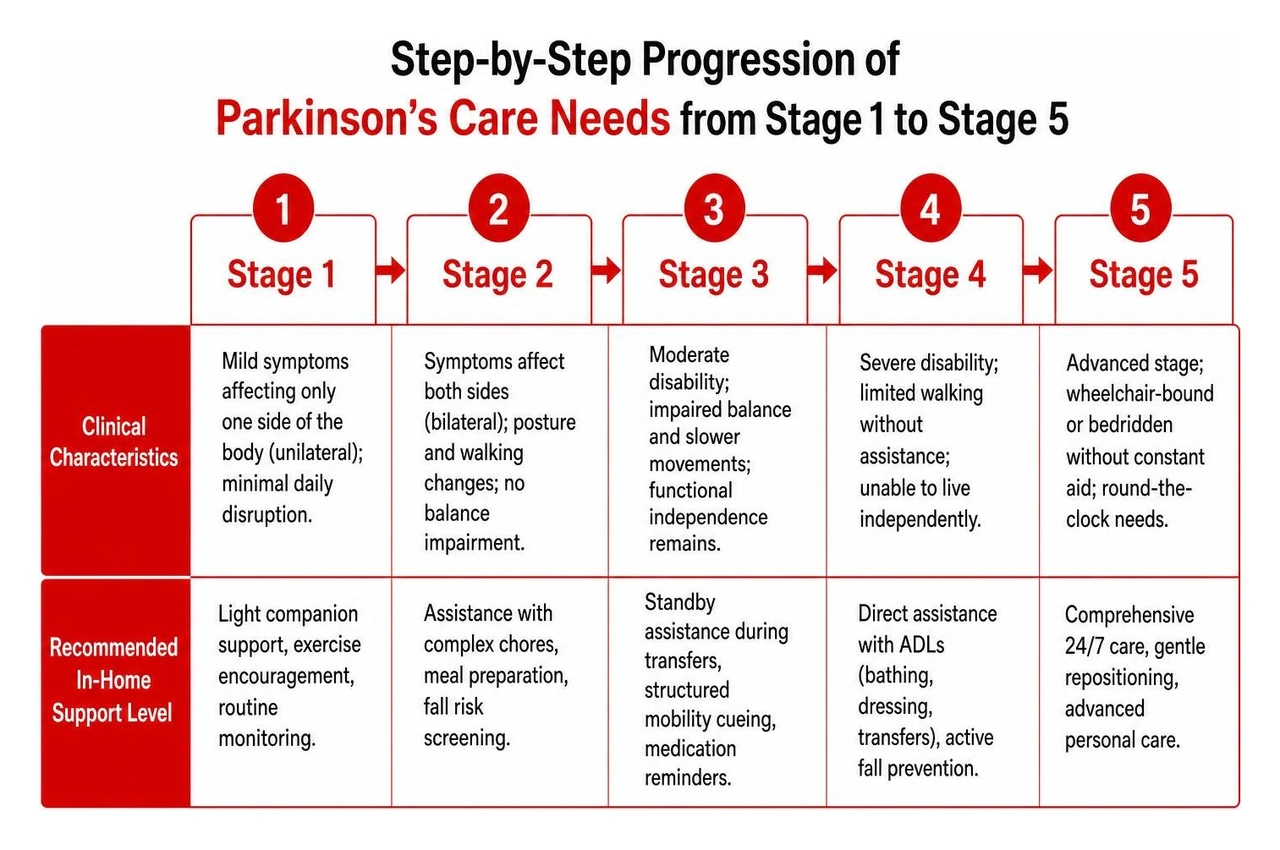
Parkinson's progression is commonly measured using the Hoehn and Yahr staging scale. Understanding these stages helps families plan ahead rather than reacting during a crisis:
| Stage | Clinical Characteristics | Recommended In-Home Support Level |
|---|
| Stage 1 | Mild symptoms affecting only one side of the body (unilateral); minimal daily disruption. | Light companion support, exercise encouragement, routine monitoring. |
| Stage 2 | Symptoms affect both sides (bilateral); posture and walking changes; no balance impairment. | Assistance with complex chores, meal preparation, fall risk screening. |
| Stage 3 | Moderate disability; impaired balance and slower movements; functional independence remains. | Standby assistance during transfers, structured mobility cueing, medication reminders. |
| Stage 4 | Severe disability; limited walking without assistance; unable to live independently. | Direct assistance with ADLs (bathing, dressing, transfers), active fall prevention. |
| Stage 5 | Advanced stage; wheelchair-bound or bedridden without constant aid; round-the-clock needs. | Comprehensive 24/7 care, gentle repositioning, advanced personal care. |
Specialized Strategies in Parkinson's Home Care Pittsburgh
Caring for someone with Parkinson's requires thoughtful adjustments to communication and physical movement. When freezing of gait occurs, urging a parent to "just hurry up" can worsen their anxiety, locking their feet more firmly to the floor. Caregivers utilize deliberate cueing strategies instead.
A widely respected cueing technique is the 5:2:1 Rule:
- 5 Breaths: Pause and take five slow, deep breaths to release physical tension and calm the nervous system.
- 2 Weight Shifts: Shift body weight gently from side to side two times to awaken motor coordination.
- 1 Deliberate Step: Take one confident, exaggerated step forward or over an imaginary line.
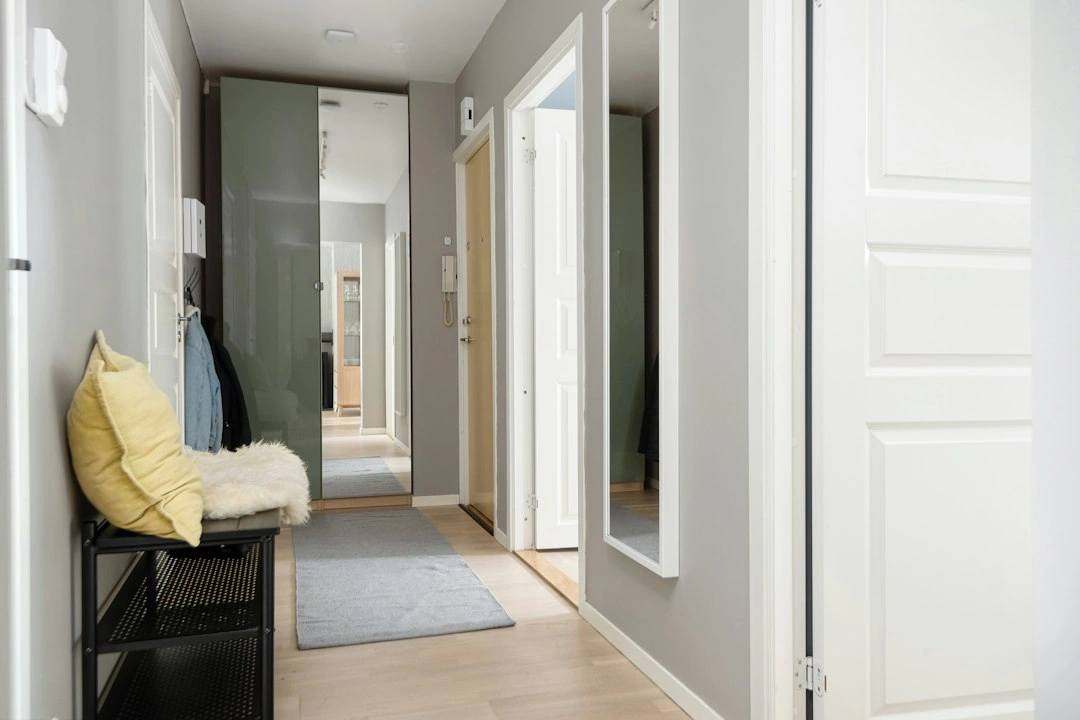
Caregivers also use rhythmic auditory cues (counting cadences or matching a steady beat) and visual floor markers (contrast tape on thresholds) to help guide steps through narrow doorways. For seniors experiencing cognitive shifts alongside physical symptoms, implementing dementia safety at home ensures that wandering and nighttime confusion are handled with steady supervision.
Medication Timing and Fall Prevention Protocols in Parkinson's Home Care Pittsburgh
Managing medications like carbidopa-levodopa requires strict precision. These medications have narrow therapeutic windows; taking a dose even 20 to 30 minutes late can cause motor function to wear off quickly, plunging your loved one into a frozen "off" state that increases fall risk.
Falls account for significant hospital visits among seniors with Parkinson's, with an estimated 60% experiencing at least one fall annually. In-home support that pairs medication reminders for seniors with active environmental hazard reduction—such as clearing throw rugs, ensuring adequate lighting, and using transfer belts—can reduce hospital readmission rates by up to 25%.
The Role of Individualized Care Plans
Because Parkinson's affects every individual differently, standardized care routines often fall short. One person might experience severe morning stiffness, while another struggles with evening fatigue and hallucinations.
By observing daily patterns, in-home care teams develop care schedules around peak "on" medication periods for challenging tasks like showering and exercising. Regular care plan reviews ensure support levels evolve alongside the condition, highlighting the clear benefits of customized care plans designed around your parent's unique daily rhythms.
Local Resources and Caregiver Support Across Greater Pittsburgh
Caring for a loved one with Parkinson's is deeply rewarding, but it can also be physically and emotionally demanding. Caregiver burnout affects between 40% and 70% of family caregivers in this position. Greater Pittsburgh boasts a strong healthcare network and active support groups, giving families access to peer discussion groups, educational seminars, and respite programs.
Connecting with fellow family caregivers in neighborhoods from Mount Lebanon to Monroeville provides practical coping strategies and emotional reassurance. When personal obligations or work make full-time caregiving difficult, finding a companion caregiver near me allows family members to step back and focus on their relationship as a son or daughter, supported by dedicated home care in Pittsburgh PA.
Essential Home Modifications for Pittsburgh Residences
Many classic Pittsburgh residences—from brick multi-story homes in Shadyside to hillside properties in the South Hills—present unique architectural hurdles for Parkinson's patients:
- Stairways: Installing sturdy handrails on both sides or adding a motorized stairlift prevents fatigue-induced stumbles.
- Bathrooms: Step-in showers, securely bolted grab bars, and raised toilet seats eliminate high-risk balance transitions.
- Lighting: Adding motion-activated nightlights along hallways reduces the risk of nighttime falls during bathroom visits.
- Floor Surfaces: Removing decorative throw rugs and clearing cords creates clear pathways.
For a broader perspective on keeping older adults safe in local homes, explore our practical guide to aging in place in Pittsburgh.
When to Transition to Dedicated Parkinson's Home Care Pittsburgh
Deciding when family support is no longer enough can be tough. Key indicators that professional in-home assistance is needed include:
- Frequent near-falls or unexplained bruises
- Sleep deprivation from nighttime wandering or assisting with repositioning
- Anxiety around bathing, dressing, or toilet transfers
- Noticeable caregiver exhaustion or health decline
When these signs emerge, choosing among Pittsburgh home care agencies allows you to partner with professionals experienced in neurological support. Taking the step of scheduling a free in-home care assessment gives your family clarity on immediate safety needs and long-term care plans.
Frequently Asked Questions About Parkinson's In-Home Support
How does Parkinson's home care differ from standard senior companion care?
While standard companion care emphasizes social interaction and light housekeeping, specialized Parkinson's care involves proactive fall prevention, mobility cueing, and strict adherence to medication schedules. Caregivers are trained to navigate "on" and "off" motor fluctuations, gait freezing, and non-motor challenges, as detailed in our guide to specialized home care for Parkinson's patients.
What is the 5:2:1 cueing rule used during freezing episodes?
The 5:2:1 rule is a simple technique to overcome motor blocks: take 5 deep breaths to relax, perform 2 gentle side-to-side weight shifts to regain balance, and take 1 deliberate step forward to restart movement safely.
Can individuals in advanced stages of Parkinson's remain safely at home?
Yes. With structured routines, assistive transfer devices, home adaptations, and experienced caregivers, individuals in Stages 4 and 5 can continue living comfortably at home. Families can review options for comprehensive home care in Pittsburgh to find the right balance of daily and overnight support.
Conclusion
Navigating a loved one's Parkinson's journey requires patience, teamwork, and dedicated support. At Fayer Family Homecare, our compassionate team provides personalized assistance, supervision, and companionship to help older adults across the Greater Pittsburgh Area maintain independence and safety at home. Let us provide the steady daily routine your parent deserves and the peace of mind your family needs with our customized care solutions.

.svg)