December 12, 2024
The Essential Guide to Light Housekeeping for SeniorsDiscover essential tips and benefits of light housekeeping for seniors to enhance safety, comfort, and independence at home.
Read Article

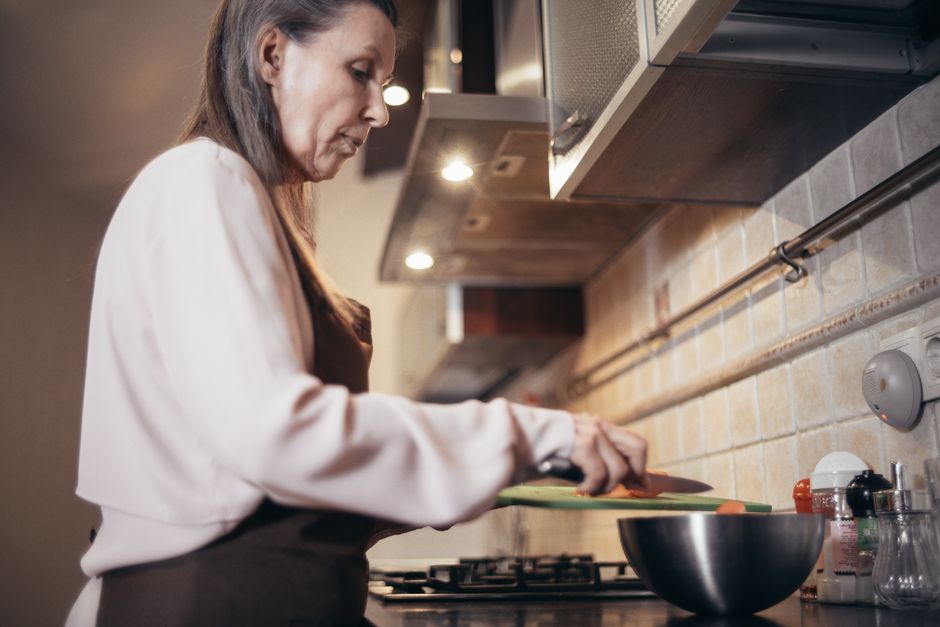
Prepared food for seniors is one of the most practical ways families can support an aging loved one's health, independence, and daily comfort — without adding more stress to an already full plate.
Here are the most common options available right now:
| Type | Best For | Cost Range |
|---|---|---|
| Meals on Wheels | Low-income seniors 60+, mobility challenges | Free or sliding scale |
| Pre-made meal delivery (e.g., Mom's Meals, Silver Cuisine) | Heat-and-eat convenience, medical diets | ~$9–$15/meal |
| Meal kits (e.g., HelloFresh) | Seniors who enjoy light cooking, caregiver-assisted | ~$10–$13/serving |
| Personal chef services (e.g., Chefs for Seniors) | In-home, customized weekly cooking | Similar to delivery costs |
| Restaurant delivery (e.g., DoorDash, GrubHub) | Occasional meals, wide variety | Restaurant price + fees |
| Community programs (CSFP, food banks) | Food-insecure seniors, supplemental nutrition | Free |
For many families caring for an aging parent, mealtime is quietly one of the hardest parts of the day. It is not just about cooking — it is about making sure someone you love is actually eating well, especially if they have a health condition, limited mobility, or cognitive decline like Alzheimer's or dementia.
The good news? There are more options than ever. From free government programs to dietitian-designed delivery services, the right prepared meal solution can take real weight off a caregiver's shoulders — and keep a senior healthier at home, longer.
When we look at the landscape of senior nutrition in April 2026, the variety is truly impressive. Gone are the days when "prepared food" meant a salty TV dinner. Today, the focus is on Nourishing Seniors: The Importance of Meal Preparation in Home Care through high-quality, fresh ingredients.
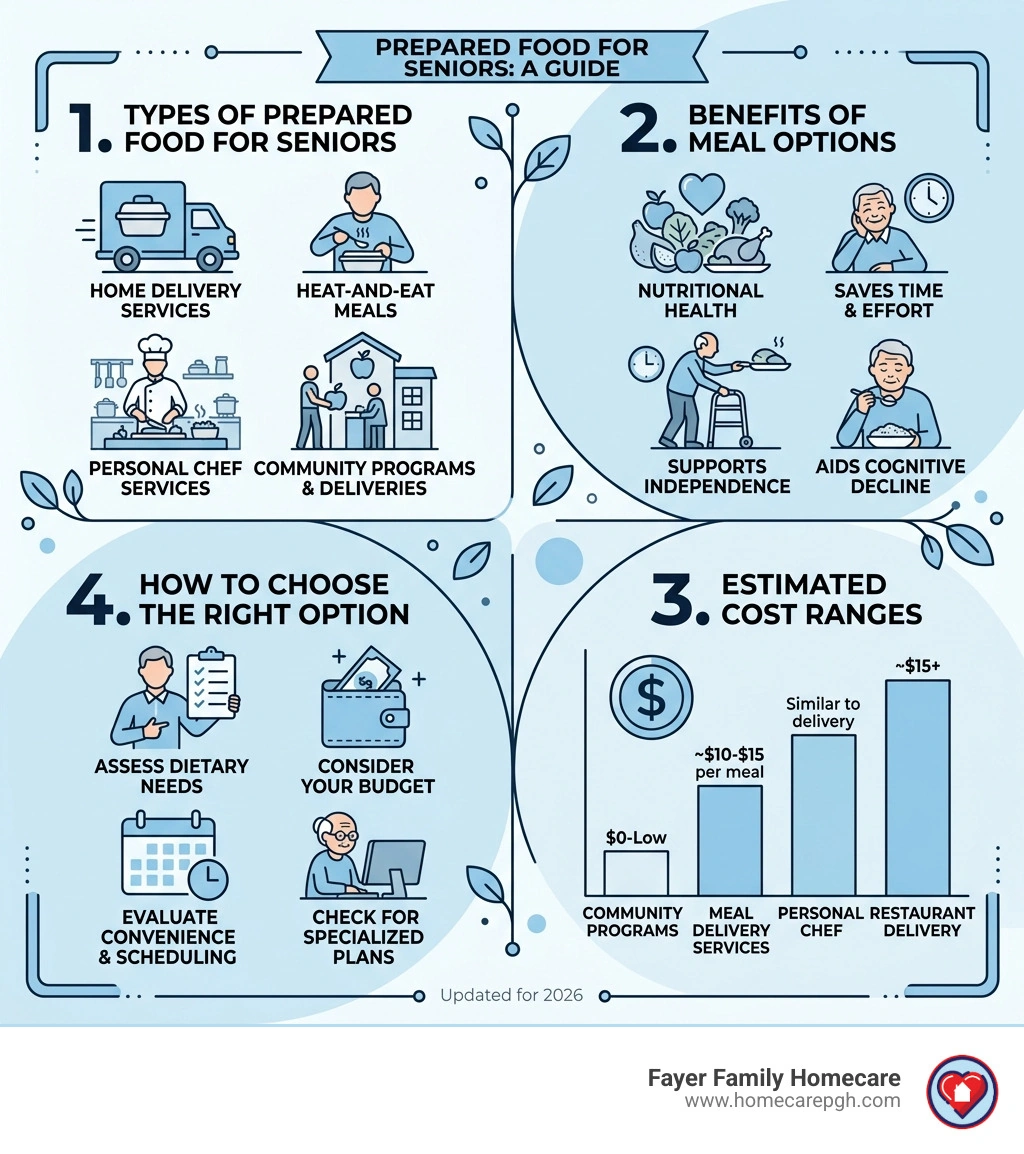
These are fully cooked meals that arrive fresh or frozen. Services like Silver Cuisine or Mom's Meals are popular because they require zero preparation. A senior or their caregiver simply pops the tray into the microwave for a few minutes. This is often the safest choice for those with limited mobility or early-stage cognitive decline who may struggle with a stove.
For seniors who still enjoy the ritual of cooking but find grocery shopping and heavy chopping difficult, meal kits like HelloFresh provide a middle ground. These kits come with pre-measured ingredients and simple, 30-minute recipe cards. We often find that these are a great activity for a senior to do alongside a companion or family member.
In the Greater Pittsburgh Area, services like Chefs for Seniors in Pittsburgh offer a unique hybrid. A professional chef comes to the home, prepares several meals for the week using fresh ingredients, and even cleans up afterward. This provides not just food, but a vital social connection.
Professional caregivers bridge the gap between "delivery" and "dining." Even the best prepared food for seniors still needs to be plated, heated safely, and served with a glass of water. At Fayer Family Homecare, we see how much a senior's appetite improves when a caregiver provides companionship during the meal, turning a routine task into a social highlight of the day.
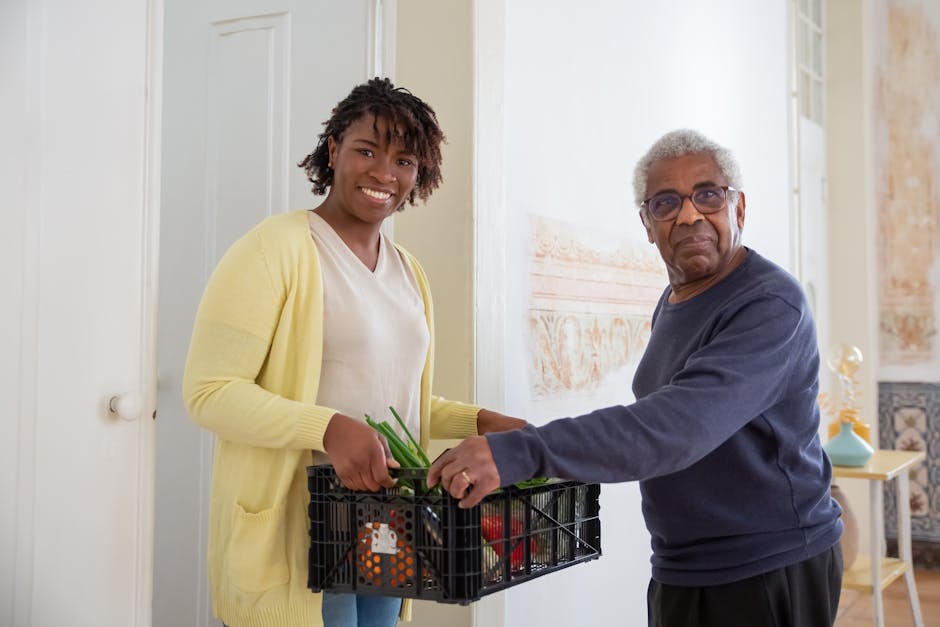
We know that many families in Pittsburgh are managing tight budgets. Fortunately, Pennsylvania offers several robust programs to ensure no senior goes hungry.
Meals On Wheels Southwest Pennsylvania is a cornerstone of senior support. Serving over 2 million seniors annually nationwide, these programs provide more than just a hot meal; they provide a "wellness check" from a friendly volunteer.
Known as the "Senior Food Box" program, this federal initiative provides monthly boxes of shelf-stable foods like canned fruits, vegetables, proteins, and cereals. In Pittsburgh, local food banks often handle the distribution.
The Supplemental Nutrition Assistance Program (SNAP) is often underutilized by seniors. Additionally, many Pittsburgh-area food banks now operate mobile pantries or have "senior-only" shopping hours to make the experience less overwhelming.
| Program | Type of Food | Best For |
|---|---|---|
| Meals on Wheels | Hot/Cold ready-to-eat | Homebound seniors needing daily checks |
| CSFP (Senior Box) | Shelf-stable staples | Seniors needing to supplement their pantry |
| SNAP (Food Stamps) | Grocery credit | Seniors who can still shop or have help |
| Mobile Pantries | Fresh produce/bread | Communities with limited grocery access |
As we age, our bodies require fewer calories but more nutrients. This is why The Role of Nutrition in Senior Home Care: Promoting Healthy Aging is so critical.
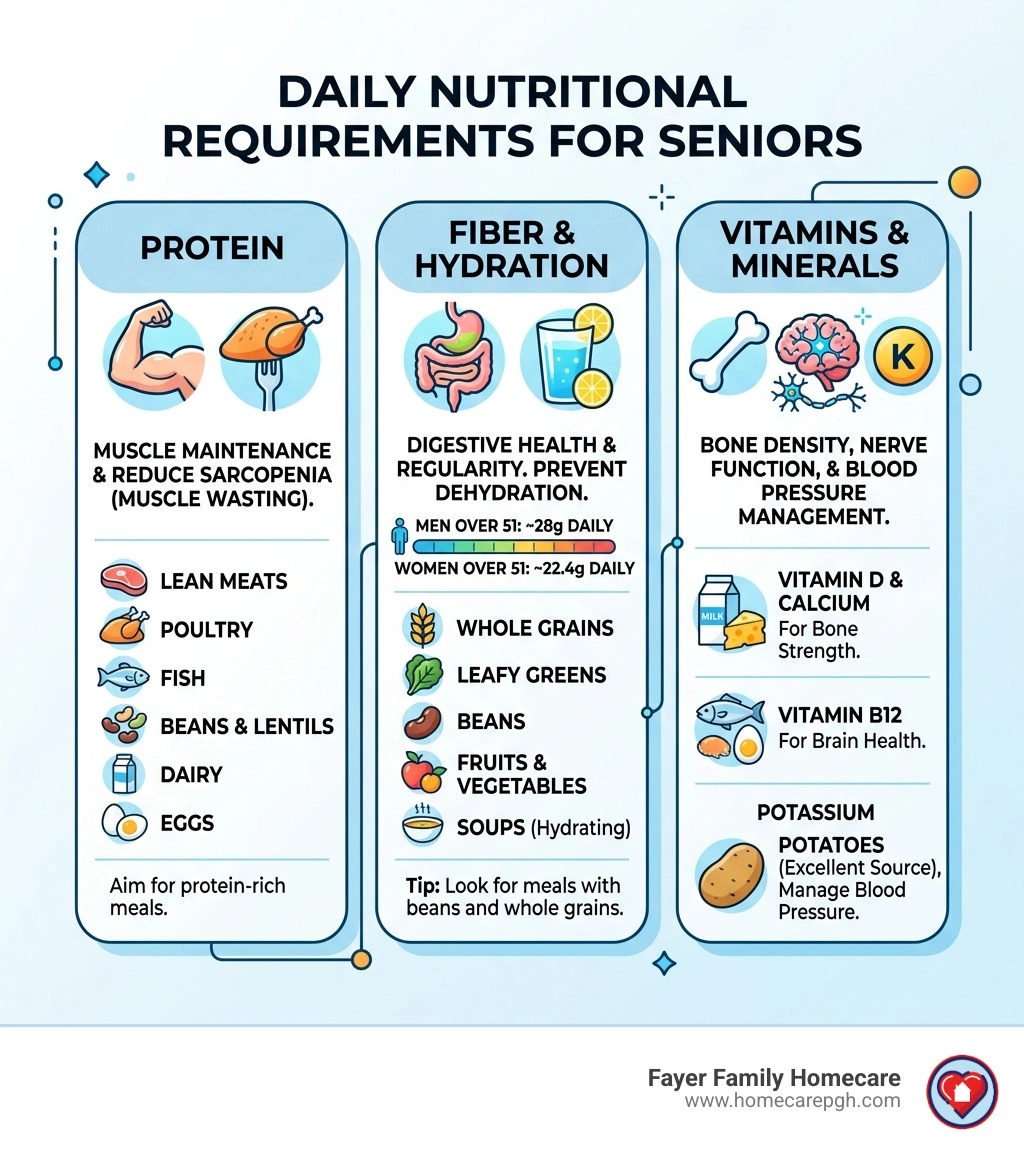
Seniors are at high risk for muscle wasting (sarcopenia), which can lead to falls. We recommend looking for meals that provide high-quality protein, like the Senior Creamy Chicken & Rice, which offers 19g of protein in a single serving.
Digestive health often slows down with age. Men over 51 need about 28g of fiber daily, and women need 22.4g. Prepared meals that include beans, whole grains, and leafy greens are essential. Furthermore, many seniors lose their sense of thirst; incorporating soups or hydrating fruits into the meal plan is a smart strategy.
Many seniors are managing chronic conditions that require "food as medicine."
Even the best prepared food for seniors can become a health hazard if not handled correctly. Proper Meal Planning includes a safety check of the kitchen.
On average, you can expect to pay between $9.00 and $15.00 per meal for paid services. Some companies, like Mom's Meals, offer meals for $9.49 or less, especially if you use a "Subscribe & Save" option. Shipping fees are often around $15-$20, though many services waive this if you order in bulk (usually over $99). For those who qualify, Medicare Advantage plans or Medicaid may cover the cost of "medically tailored meals" after a hospital stay.
Absolutely. This is a common concern for families. Many dedicated senior services offer "soft diet" or "pureed" menus. These aren't just bland mushes; they are dietitian-reviewed meals that are blended to a specific consistency while retaining the flavor of real dishes like pot roast or salmon. If your loved one struggles with chewing, look for "mechanical soft" or "pureed" tags when ordering.
The choice usually comes down to two things: cooking ability and caregiver presence.
At Fayer Family Homecare, we believe that staying healthy shouldn't be a chore. Whether it's finding the right prepared food for seniors or helping a loved one navigate their daily routine in the Greater Pittsburgh Area, our goal is to provide peace of mind for the whole family.
Our experienced caregivers specialize in supporting those with Dementia and Alzheimer’s, ensuring they not only have access to nutritious food but also the companionship and supervision needed to enjoy it safely. From assisting with Food Preparation to managing grocery lists and kitchen safety, we are here to help your loved one age in place with dignity.
If you are looking for a partner in your caregiving journey, we invite you to reach out. Let’s work together to keep life simple, healthy, and full of flavor for the senior in your life.

December 12, 2024
The Essential Guide to Light Housekeeping for SeniorsDiscover essential tips and benefits of light housekeeping for seniors to enhance safety, comfort, and independence at home.
Read Article
May 16, 2025
The Ultimate Guide to Home Cleaning Services for SeniorsDiscover home cleaning for seniors: boost safety, independence, and comfort with expert tips, service options, and family-friendly solutions.
Read Article
July 27, 2026
A Loving Guide to Caring for Dementia Patients at HomeA Loving Guide to Caring for Dementia Patients at Home - Learn about caring for dementia patients
Read Article