
June 1, 2026
From Family to Professional: Exploring Senior Caregiving SolutionsDiscover senior caregiving solutions: from family support to professional in-home care, burnout prevention, and safety tips.
Read Article
.svg)

Caring for dementia patients at home is one of the most demanding roles a family member can take on — emotionally, physically, and logistically.
Here is a quick overview of the core areas every caregiver needs to address:
| Area | What It Involves |
|---|---|
| Home Safety | Fall prevention, visual cues, removing hazards |
| Daily Routines | Bathing, dressing, meals, and grooming with dignity |
| Communication | Simple language, eye contact, validation techniques |
| Behavior Management | Wandering, agitation, sundowning, repetitive speech |
| Caregiver Health | Recognizing burnout, using respite care, building support |
| Future Planning | Legal documents, advance directives, long-term care options |
The scale of this challenge is hard to overstate. Around 50 million people worldwide currently live with dementia, and that number may triple by 2050. In the US alone, more than 15.5 million people provide unpaid care for a loved one with Alzheimer's or a related dementia — often without formal training, and often while juggling jobs and raising their own families.
Nearly half of all dementia caregivers experience significant caregiver burden. About one in three report symptoms of depression or anxiety.
And yet — with the right strategies and support — caring for a parent or spouse with dementia can also be deeply meaningful.
This guide walks you through every major aspect of dementia caregiving at home: how to keep your loved one safe, how to communicate when words become difficult, how to plan ahead, and — critically — how to take care of yourself in the process.
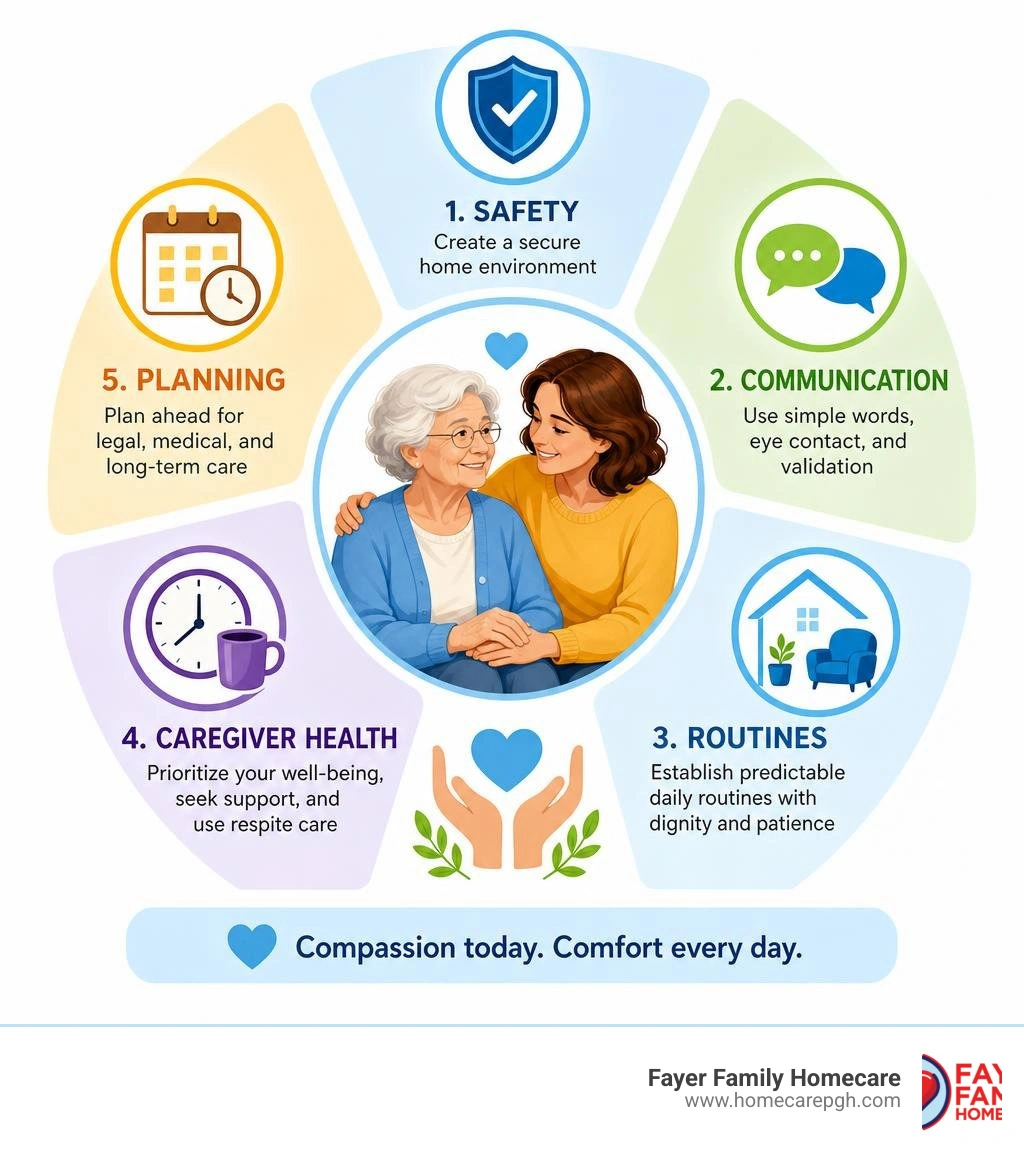
Caring for dementia patients terms explained:
When we bring a loved one home or commit to keeping them in their familiar surroundings, we are giving them a beautiful gift. Familiarity is a powerful anchor for a mind experiencing cognitive decline. It provides comfort, minimizes disorientation, and can significantly reduce the frequency of behavioral challenges like agitation or aggression.
However, a home that was perfectly safe for an independent adult can pose hidden dangers for someone with progressing cognitive loss. Creating a supportive environment means looking at our living spaces through a lens of safety, simplicity, and visual clarity.
By proactively adapting the physical environment, we can help our loved ones maintain their remaining skills, prevent physical injuries, and preserve their independence for as long as possible. Let us explore how we can transform the home into a secure sanctuary.
To make a home truly dementia-friendly, we must address the sensory and physical changes that accompany the condition. For instance, people with dementia often experience changes in visual perception. They may lose depth perception, struggle to distinguish between similar colors, or become highly confused by busy patterns on carpets, curtains, and rugs. A dark rug on the floor might look like an impassable hole in the ground, causing them to freeze or trip.
To ensure your loved one can move about confidently and safely, we can implement several low-cost, highly effective environmental modifications:
For more detailed strategies on protecting your loved one, you can read our comprehensive guide on Dementia Safety at Home. Additionally, you can explore the medical and environmental recommendations provided in the Dementia - daily care: MedlinePlus Medical Encyclopedia to further secure your living spaces.
Establishing a consistent, predictable daily routine is a cornerstone of effective dementia care. When a person knows what to expect next, their anxiety levels drop, and their sense of control increases. However, the guiding principle of daily care should always be independence with support.
It is incredibly tempting to step in and do everything for our loved ones because it is faster or easier. But doing things with them rather than for them is essential for protecting their dignity and slowing the loss of daily skills. If your father can still button his shirt, let him do so — even if it takes ten minutes. If your mother can still help dry the dishes or fold clean laundry, encourage her to join in.
When planning daily routines, keep these practical tips in mind:
For creative ways to keep your loved one engaged, check out our list of Dementia Patient Activities. You can also find wonderful, peer-tested personal care tips in the Ideas and Tips for Carers booklet, which offers practical solutions from experienced family caregivers.
As dementia progresses, it gradually alters the brain's ability to process language and regulate emotions. This shift can turn simple conversations into a source of frustration and trigger challenging behaviors like wandering, repetitive speech, or sudden agitation.
As caregivers, we must learn to decode these behaviors. They are rarely acts of deliberate defiance; instead, they are creative attempts to communicate an unmet physical or emotional need (such as pain, hunger, boredom, or fear). By adjusting our own communication style and using techniques like validation therapy, we can diffuse tense situations and restore peace to our homes.
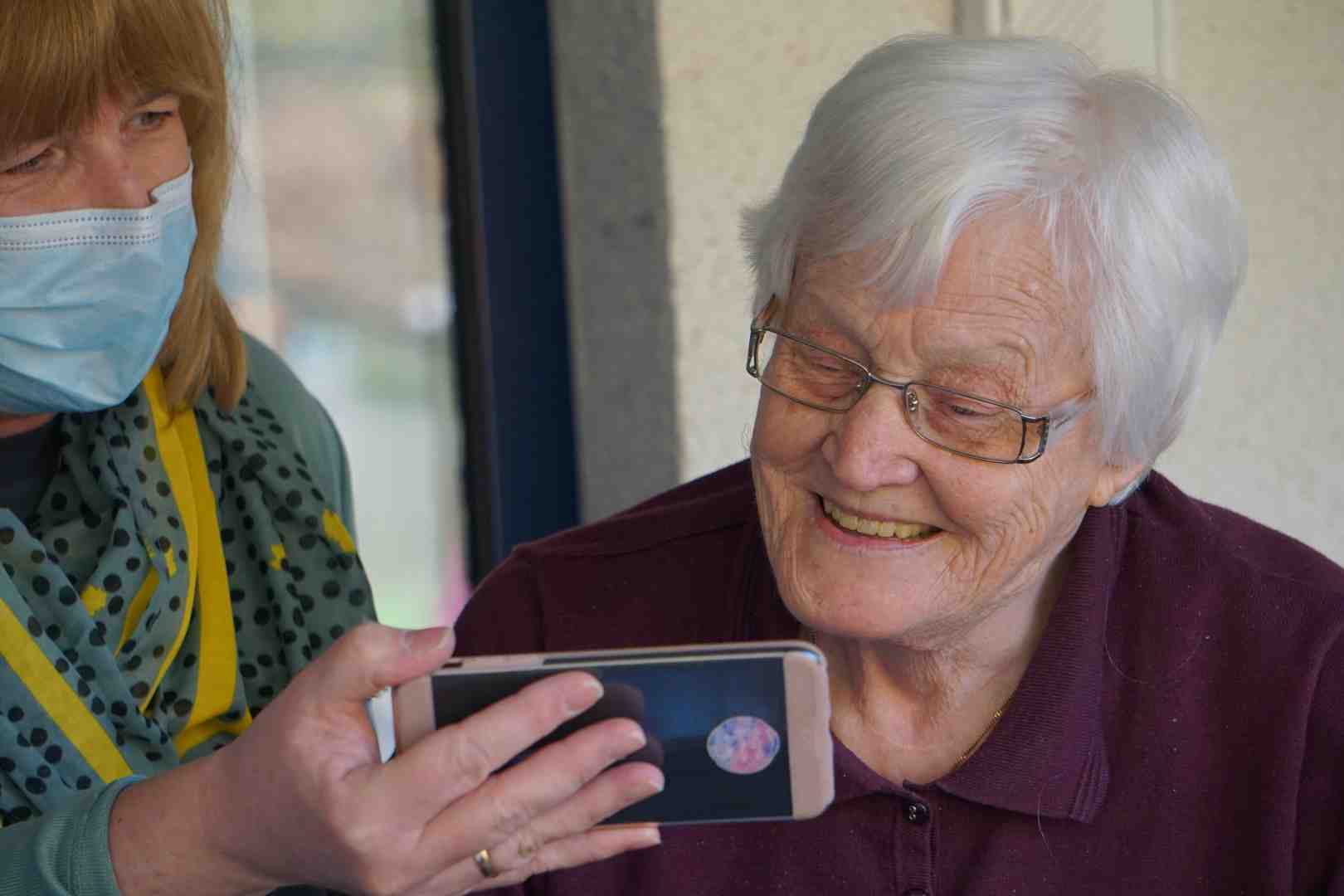
We aren't born knowing how to communicate with someone who has dementia — but it is a skill we can absolutely master with patience and practice. The way we approach our loved ones sets the emotional tone for the entire interaction. If we are tense, hurried, or frustrated, they will mirror those emotions, even if they don't fully understand our words.
Here are the most effective communication strategies to practice daily:
For deep-dive resources on managing these daily behavioral changes, explore our guide on Care for Alzheimers and Dementia. For a broader understanding of how the disease impacts communication, consult Dementia: Information for caregivers and our article on Understanding the Difference Between Alzheimers Dementia.
When a loved one becomes highly agitated, starts pacing, or asks the same question fifty times in an hour, it can test the limits of our patience. During these moments, it is helpful to remember that behavior is communication.
Let’s look at how to manage three of the most common and challenging dementia behaviors:
For more hands-on advice on daily physical care, check out the guide on Daily Dementia Care: Bathing, Dressing, Eating (2026) | Brevy Care. You can also learn about professional, in-home safety and behavioral management techniques by reading about Alzheimers Care at Home.
One of the kindest things we can do for our families is to plan for the future before a crisis occurs. Because dementia is a progressive condition, decisions regarding healthcare, finances, and long-term care should be discussed as early as possible. This allows your loved one to actively participate in the decision-making process while they still have the cognitive capacity to do so.
Without advance written consent and legal documentation, family caregivers can find themselves legally blocked from discussing medical bills, managing bank accounts, or coordinating care with doctors and lawyers.
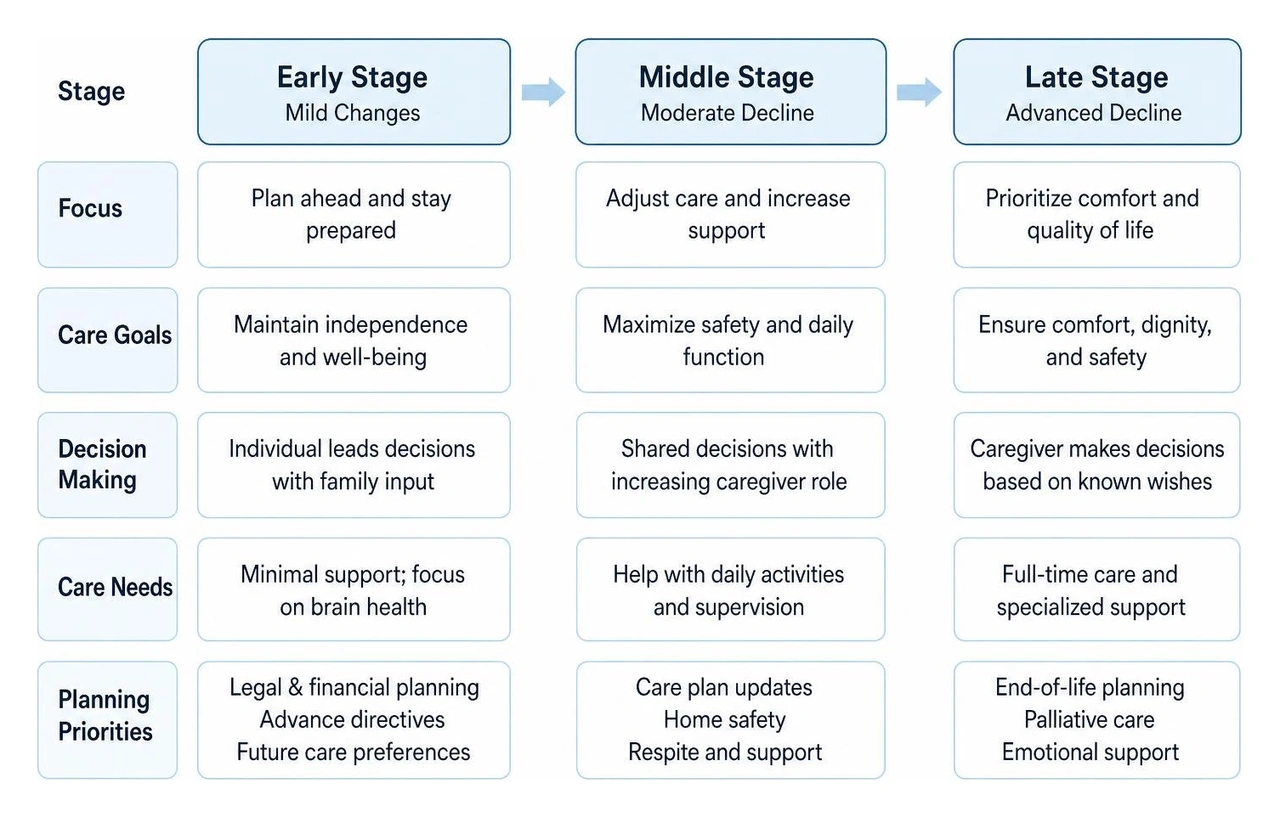
The primary objective of early planning is to establish a secure safety net that honors your loved one's wishes. Gathering official records, locating financial accounts, and drafting essential legal documents should be prioritized immediately following a diagnosis.
Make sure you have the following key legal documents in place:
To understand how to navigate these legal frameworks and coordinate care within a family network, review the guidance on Looking after someone with dementia - NHS. For a detailed breakdown of the long-term financial commitments involved, consult our Alzheimers Care Costs Complete Guide.
As care needs intensify, many families realize they need hands-on assistance to keep their loved one safely at home. Fortunately, there are excellent professional care models designed to support both the patient and the primary caregiver.
One of the most significant developments in dementia care is the Medicare GUIDE Model (Guiding an Improved Dementia Experience), an eight-year voluntary program launched by the Centers for Medicare & Medicaid Services (CMS) in July 2024. Running through 2032, the GUIDE model funds participating dementia programs to deliver coordinated, comprehensive care.
The GUIDE program provides six core services:
To qualify for GUIDE, the patient must have a confirmed dementia diagnosis, be enrolled in traditional Medicare Parts A and B, live in the community (not in a nursing home), and not be enrolled in hospice.
For families living in the Greater Pittsburgh Area, finding reliable local support is essential for peace of mind. To explore how to integrate professional caregivers with your current setup, read Navigating Alzheimers: A Comprehensive Guide to Senior Home Care and learn How to Find Reliable Alzheimers Care Near You.
There is an old, wise saying in the caregiving community: You cannot pour from an empty cup. Yet, nearly 50% of primary dementia caregivers experience significant psychological distress, and up to one-third struggle with clinical depression or anxiety.
The immense physical and emotional toll of watching a beloved parent or spouse decline can turn the caregiver into the "hidden patient" of the disease. Chronic stress is biologically linked to systemic inflammation, which increases the caregiver's own risk for cardiovascular, metabolic, and neurocognitive disorders. Prioritizing your own mental and physical health is not a luxury; it is an absolute necessity for providing high-quality care to your loved one.
Because caregiver burnout develops gradually, it can be difficult to recognize in ourselves. We often dismiss our own exhaustion, telling ourselves we just need to work harder. However, learning to recognize the warning signs of caregiver stress early can prevent a physical or emotional crisis.
Be alert to the following warning signs:
If you are experiencing several of these symptoms, it may be time to seek professional counseling, join a support group, or look into respite care options. To learn more about identifying stress and managing the daily emotional challenges of caregiving, read our resource on Caregivers for Alzheimers and explore options for Specialized Alzheimers Care.
No one should have to walk the dementia journey alone. Building a strong, reliable support network is the most effective way to protect your mental health and prevent burnout. A support network can consist of family members who take turns visiting, local community organizations, online forums, and professional home care services.
Here are the best ways to build your caregiving team:
To discover how companionship and professional supervision can lighten your daily load, read about the benefits of Dementia Companionship Care.
For most family members, the most challenging aspect is managing progressive behavioral changes and communication barriers. It can be heartbreaking and exhausting when a parent no longer recognizes you, accuses you of stealing their belongings due to paranoia, or exhibits sudden, aggressive outbursts.
Understanding that these behaviors are symptoms of physical brain changes — rather than deliberate actions — is a vital step in learning to respond with patience and empathy. To learn more about managing these complex behaviors, read our guide on Alzheimer Patient Care.
A person with dementia does not need to take a full bath or shower every single day. In fact, daily bathing can cause severe skin dryness and trigger high levels of anxiety or resistance. Two or three times a week is usually more than enough to maintain excellent hygiene.
On non-bathing days, a simple sponge bath to clean key areas (such as the face, hands, underarms, and private areas) works beautifully. For detailed, dignity-preserving hygiene tips, consult the Daily Dementia Care: Bathing, Dressing, Eating (2026) | Brevy Care guide.
The Medicare GUIDE model (Guiding an Improved Dementia Experience) is a voluntary, eight-year Medicare program launched in July 2024 to improve the quality of life for dementia patients and their unpaid family caregivers. It funds participating providers to deliver comprehensive care coordination, 24/7 access to a clinical support team, caregiver skills training, and Medicare-funded respite care.
To learn more about how this model is transforming care delivery and how in-home care agencies work alongside it, read our overview of Dementia Home Care Services.
Caring for dementia patients at home is a journey of profound love, immense patience, and constant adaptation. While the physical and emotional challenges are very real, you do not have to carry this responsibility entirely on your own. There is no prize for doing it all alone, and seeking help is a sign of strength, not weakness.
At Fayer Family Homecare, we provide specialized, compassionate care for individuals living with Dementia or Alzheimer’s across the Greater Pittsburgh Area. Our experienced home caregivers offer essential companionship, supervision, and engaging recreational activities, ensuring your loved one remains clean, comfortable, and safe in the familiar environment they love.
Whether you need a few hours of respite care to rest and recuperate, or more consistent daily support, we are here to walk alongside your family. For more information on how we can support your caregiving journey, read about our local services in Dementia Care Pittsburgh PA and explore our dedicated companionship services.

June 1, 2026
From Family to Professional: Exploring Senior Caregiving SolutionsDiscover senior caregiving solutions: from family support to professional in-home care, burnout prevention, and safety tips.
Read Article
September 1, 2025
Your Guide to Personal Care: Supporting Daily Living with DignityUnlock independence with compassionate Personal care services. Support daily living, dignity, and quality of life for your loved ones.
Read Article
June 5, 2025
A Guide to Night Companionship Services for the ElderlyDiscover how a night companion for elderly ensures safety, comfort, and peace of mind for seniors and their families overnight.
Read Article