

January 2, 2025
How to Define Light Housekeeping: A Caregiver's GuideDiscover what light housekeeping entails for caregivers. Learn tasks, tips, and its importance for senior well-being.
Read Article
.svg)
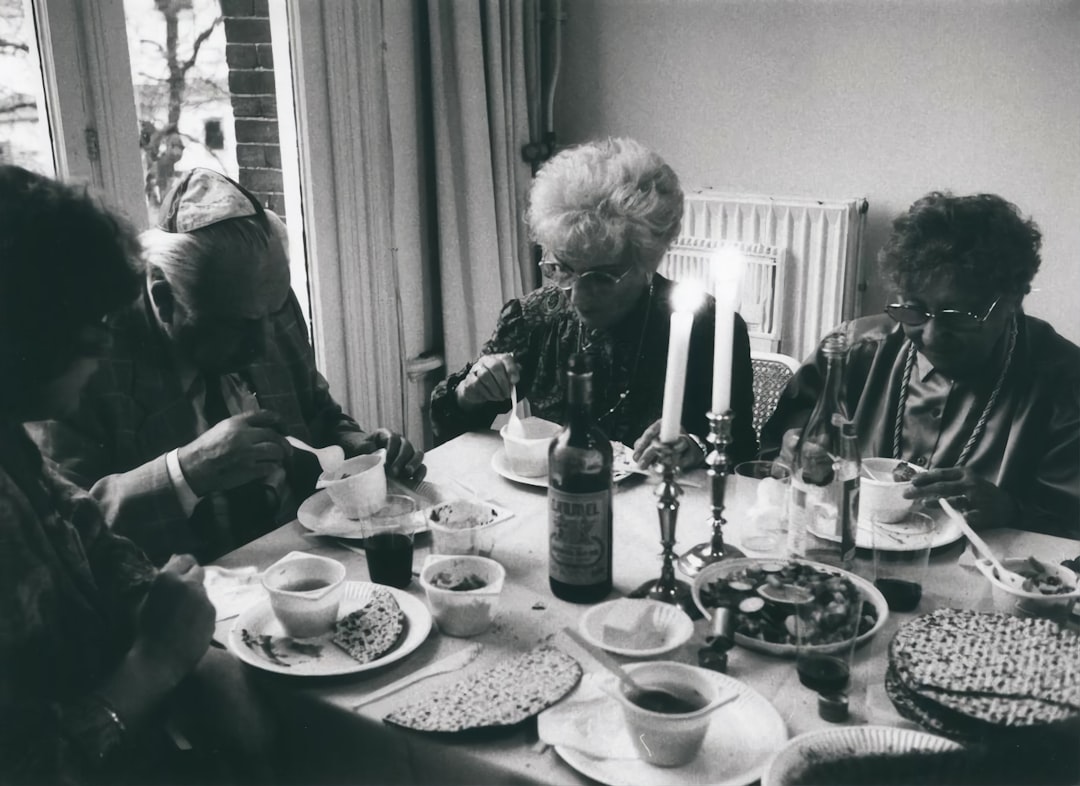
Home companions for seniors provide non-medical support that goes beyond basic healthcare—offering friendship, assistance with daily tasks, and the social connection that keeps older adults engaged and thriving at home.
Quick Overview: What Home Companions Provide
If you're watching a parent struggle with loneliness, miss appointments, or let their home fall into disrepair, you're not alone. Over 40% of seniors ages 65 and up require some day-to-day assistance, and research shows that loneliness significantly increases the risk of heart disease, stroke, dementia, and depression.
The challenge is finding the right kind of support. Your parent may not need medical care, but rather someone to share a cup of coffee, help with groceries, and provide the steady companionship that makes aging at home both safe and fulfilling.
This is where companion care comes in. Unlike skilled nursing or personal care aides who assist with bathing and dressing, companions focus on the quality of life—the emotional, social, and practical support that helps seniors maintain independence while staying connected to the world around them.
For families balancing careers, their own households, and an aging parent's needs, companion care offers relief and peace of mind. It doesn't replace your role; it ensures your loved one has consistent, compassionate support when you can't be there.
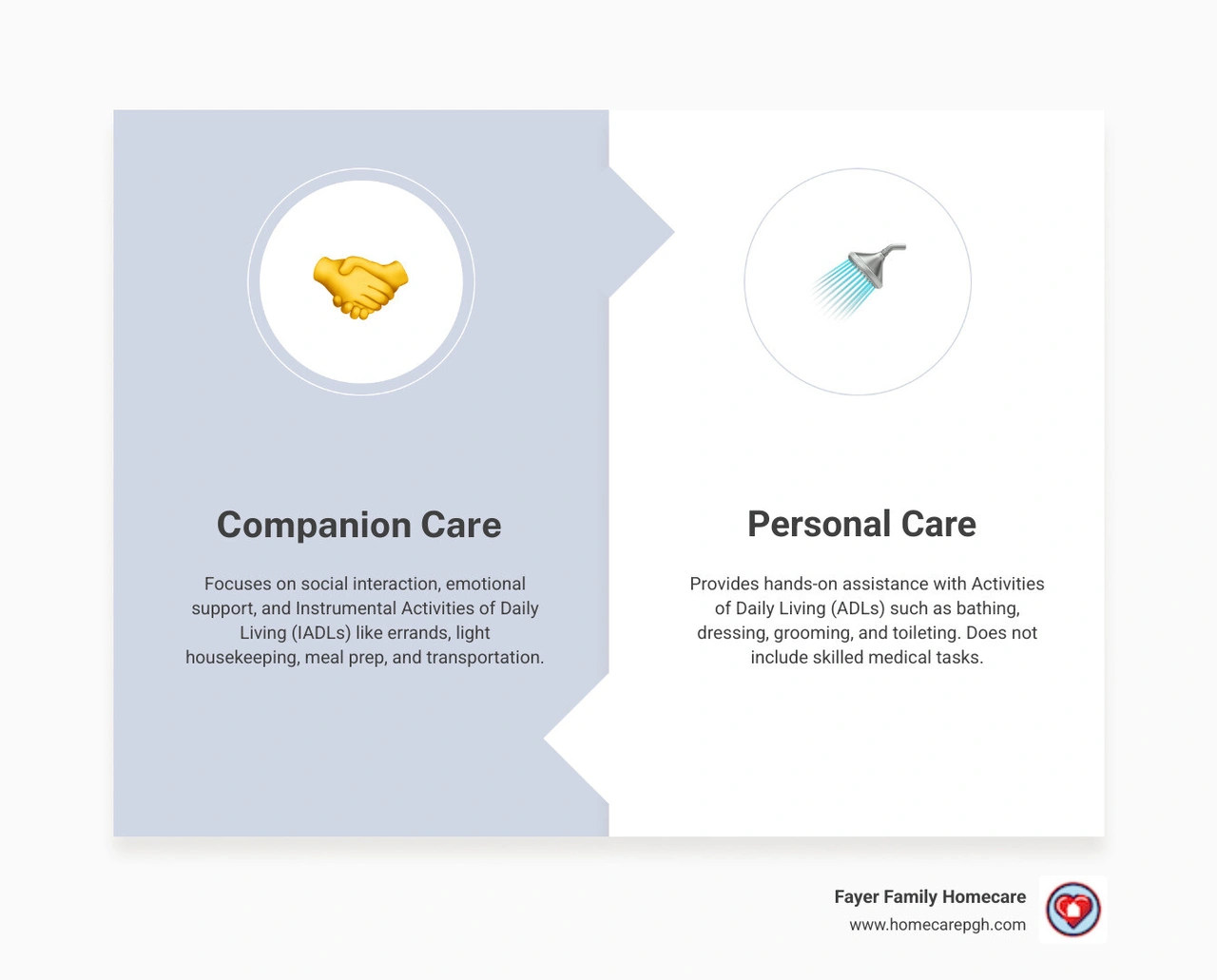
Senior companion care is a service designed to bring a friendly, non-medical helping hand into your loved one's home. It's about ensuring older adults feel connected, supported, and engaged through social interaction, emotional connection, and assistance with daily tasks that promote independent living. At Fayer Family Homecare, our goal is to improve the health and happiness of your aging loved ones. We believe that sometimes, the best "medicine" is a good conversation and a shared laugh.

At its heart, companion care battles loneliness and sparks joy. Our home companions for seniors share moments to make daily life brighter, with services customized to what your loved one enjoys. This includes engaging conversation, as a friendly chat can brighten anyone's day. Our companions are great listeners, ready to discuss anything from current events to cherished memories. They also participate in playing games and hobbies, like cards, puzzles, or gardening, making these activities more stimulating. For those who enjoy stories, companions can read aloud from books, articles, or letters. We also assist with social event planning, helping seniors organize and attend gatherings to stay connected with their community.
You can learn even more info about being a companion to the elderly on our blog.
Beyond social activities, our companions provide practical, customized assistance to keep the household running smoothly and safely. Companions can help with light housekeeping like making beds, vacuuming, and laundry to keep the home tidy. We also assist with meal preparation, ensuring nutritious meals that meet dietary needs, turning dining into a social experience. We can handle grocery shopping and errands, making sure the pantry is always stocked.
We provide transportation to appointments, social events, or just for a leisurely drive around Pittsburgh. Companions offer gentle medication reminders to ensure medications are taken on time. For pet owners, we offer pet care assistance, helping with feeding, walking, and other daily needs to ensure beloved pets are well-cared for.
It's important to know that not all in-home care is the same. While all types aim to support seniors, they each serve distinct purposes. Understanding the differences helps you choose the right kind of help for your loved one.
| Feature | Companion Care | Personal Care | Home Health Care |
|---|---|---|---|
| Focus | Social interaction, emotional support, IADLs | Hands-on assistance with ADLs | Skilled medical services |
| Services | Conversation, hobbies, errands, light cleaning, meal prep, transportation, medication reminders | Bathing, dressing, grooming, toileting, feeding | Wound care, injections, physical therapy, medication management by RN |
| Provider | Companions, caregivers | Personal care aides, HHAs | Registered Nurses (RNs), Licensed Practical Nurses (LPNs), Therapists (PT, OT, ST) |
| Medical Tasks | No | No | Yes |
As shown, companion care from Fayer Family Homecare focuses on social interaction and non-medical assistance. In contrast, personal care involves direct physical help with tasks like bathing and dressing. While crucial for hygiene, these services are distinct from what a companion provides.
Skilled medical care from licensed professionals like nurses or therapists (e.g., wound care, injections) is outside the scope of both companion and personal care. For details on Medicare coverage for medical home care, refer to Medicare's definition of home health services.
Companionship in later years is truly special. For an aging loved one, the benefits of having home companions for seniors extend beyond practical help to enrich their daily life, lift their spirits, and ensure they feel connected. Families often notice a wonderful improvement in their overall happiness and well-being.
The advantages are holistic, impacting improved mental health, increased safety, and maintained independence, while providing peace of mind for families. Regular interaction with a companion benefits an elder’s mental and emotional health by reducing loneliness.
Loneliness is a silent challenge for many seniors, with serious health consequences like an increased risk of depression, dementia, and heart disease. Companion care offers a powerful antidote. A friendly home companion for seniors provides a reliable social lifeline for sharing stories and laughter. This consistent interaction is proven to reduce feelings of isolation and lessen depression risk. Companions also facilitate community engagement through trips to parks, events, or drives around the Greater Pittsburgh Area, keeping seniors connected. Social connections are vital for long-term health, as research shows. You can learn more about the significant impact of loneliness on senior health here: Research on loneliness and senior health risks. For a deeper dive into why companionship is so crucial, check out this article: More on the importance of companionship in old age.
Losing independence is a major concern for seniors and their families. Home companions for seniors play a vital role in helping older adults age in place safely and confidently, on their own terms. A companion's presence helps prevent falls and other accidents by assisting with mobility and clearing hazards. They also serve as an extra set of eyes and ears, and this regular monitoring allows for quick responses to subtle changes in health or mood, offering families peace of mind. Companions help maintain a consistent routine, which brings comfort and stability. By assisting with everyday tasks like meal prep and errands, this support for daily tasks empowers seniors to manage their lives without feeling overwhelmed, fostering independence. To see how we can support your loved one, explore our Details on our Companionship Services.
Many families slowly realize an aging parent needs extra help. It can be tough to spot the small shifts right away, but they often signal that gentle support could make a world of difference.
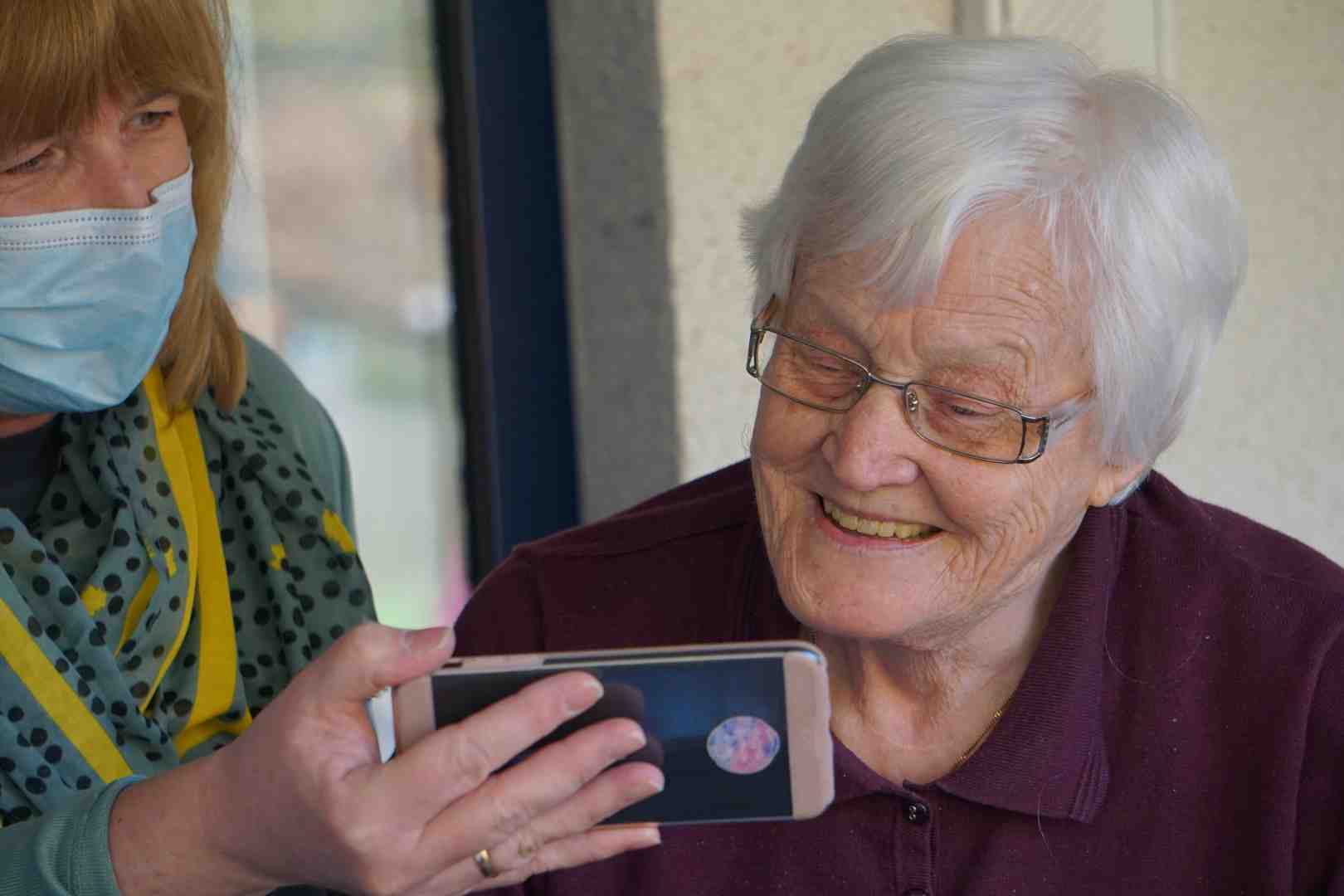
Here are some turning points that often lead families to consider home companions for seniors:
It can be hard to see these changes in a loved one. Here are key signs that they could benefit from home companions for seniors:
If these signs resonate, know you're not alone. Considering home companions for seniors is a proactive step to ensure your loved one gets the support they need to thrive. For more guidance, refer to Guidance on recognizing the signs.
Once you recognize the need for companionship, the journey to find the right support begins. It's about finding someone who genuinely connects with your parent, understands their needs, and becomes a welcome presence. The process involves finding a trusted provider, managing finances, and personalizing care. We have experienced caregivers in the Greater Pittsburgh Area. You can start by looking for a companion caregiver near you.
Choosing the right companion is a personal decision, so take your time. Here's what to look for:
The cost of companion care is a common concern. The national median is around $30 per hour, but costs in the Greater Pittsburgh Area vary based on services and hours needed. Common payment options include:
For a more detailed breakdown, check out our breakdown of senior companion care costs.
We believe companion care should never be a cookie-cutter approach. Your loved one is unique, and their care should honor that individuality. Everything begins with a free, comprehensive initial assessment where we listen to you and take time to understand your loved one's situation, personality, and needs.
Flexible scheduling is essential. Support can range from a few hours a week to 24/7 live-in companionship. We adapt to your family's needs. The magic is in matching interests and personalities. We pair home companions for seniors based on shared hobbies and personalities to create real friendships.
Needs change over time. Our caregivers are trained to observe and report subtle changes, allowing us to adapt to changing needs proactively. For seniors with memory loss, we offer specialized support for dementia and Alzheimer's. Our companions are trained to provide patient supervision, engage in appropriate activities, and maintain a safe environment. Learn more at Information on Dementia Companionship Care.
As you explore senior care options, you likely have questions. Here are answers to common inquiries we receive about home companions for seniors:
The main difference is the kind of support provided. A home companion for seniors focuses on social interaction, emotional support, and instrumental tasks like errands, light housekeeping, and meal prep to improve quality of life. In contrast, a personal caregiver provides hands-on assistance with Activities of Daily Living (ADLs) like bathing, dressing, and toileting. Companion care does not include these intimate, physical tasks.
Companion care is very flexible. There's no set number of hours; schedules are customized to your loved one's needs. This can range from a few hours a week for social visits to daily support or even 24/7 live-in companionship for those needing constant supervision. We work with you to create a schedule that fits your situation.
Yes, but only in a specific way. Home companions for seniors provide medication reminders, prompting your loved one to take their medication on time. However, they cannot administer medications (e.g., give injections, measure dosages). Administering medicine is a skilled medical task outside the scope of companion care. Our focus is on providing reminders to help them stay on track.
As we've seen, home companions for seniors offer invaluable support. It's more than help with tasks; it's about enriching lives and bringing joy to daily routines. Companions are an antidote to loneliness, a partner in maintaining independence, and a source of peace of mind for families. Companion care improves the quality of life for elders, allowing them to thrive in the comfort of their own homes. It fosters independence, encourages activity, and provides a friendly face to share their days with. For families, this brings immense relief, knowing their loved one is safe and engaged.
For families in the Greater Pittsburgh Area, Fayer Family Homecare offers experienced caregivers specializing in compassionate companionship and expert dementia care. We are here to be a reliable, warm presence for your loved one, focusing on comfort, cleanliness, and meaningful engagement.
Ready to see how our services can make a heartfelt difference in your family's life? We invite you to explore more and Learn more about our Companionship Services. Let's work together to create a brighter, happier everyday for your senior.

January 2, 2025
How to Define Light Housekeeping: A Caregiver's GuideDiscover what light housekeeping entails for caregivers. Learn tasks, tips, and its importance for senior well-being.
Read Article
March 17, 2025
The Best Senior Home Companions: A Comprehensive ListDiscover the top benefits of senior home companions for aging in place. Ensure emotional support, daily activity aid, and companionship today!
Read Article
May 22, 2025
The Power of Companionship for Seniors: A Key Ingredient to Quality AgingDiscover how companionship in old age boosts health, happiness, and dignity for seniors in Greater Pittsburgh. Learn more today!
Read Article