October 1, 2024
Enhancing Life with Local Homemaker ServicesDiscover the best companions and homemakers near me to support elderly independence and non-medical care with Fayer Family Homecare.
Read Article


If you are caring for an older parent, an Area Agency on Aging (AAA) can help you find local support that makes daily life safer and less overwhelming. AAAs commonly connect families with home-delivered meals, transportation, in-home help, caregiver respite, benefits counseling, wellness programs, and elder-rights resources.
These agencies are local hubs for aging services. They may provide some help directly, but often assess needs, coordinate care, and connect your family with trusted community providers. For a parent living with dementia, mobility limits, or increasing care needs, that can mean help with meals, bathing support, rides to appointments, fall-prevention classes, or a break for an exhausted family caregiver.
Most services focus on adults age 60 and older, but many AAAs also assist younger adults with disabilities and caregivers of all ages. Availability, eligibility, wait times, and costs vary by location and program.
At Fayer Family Homecare, our staff understands that finding the right mix of community services and in-home support can bring families greater peace of mind.
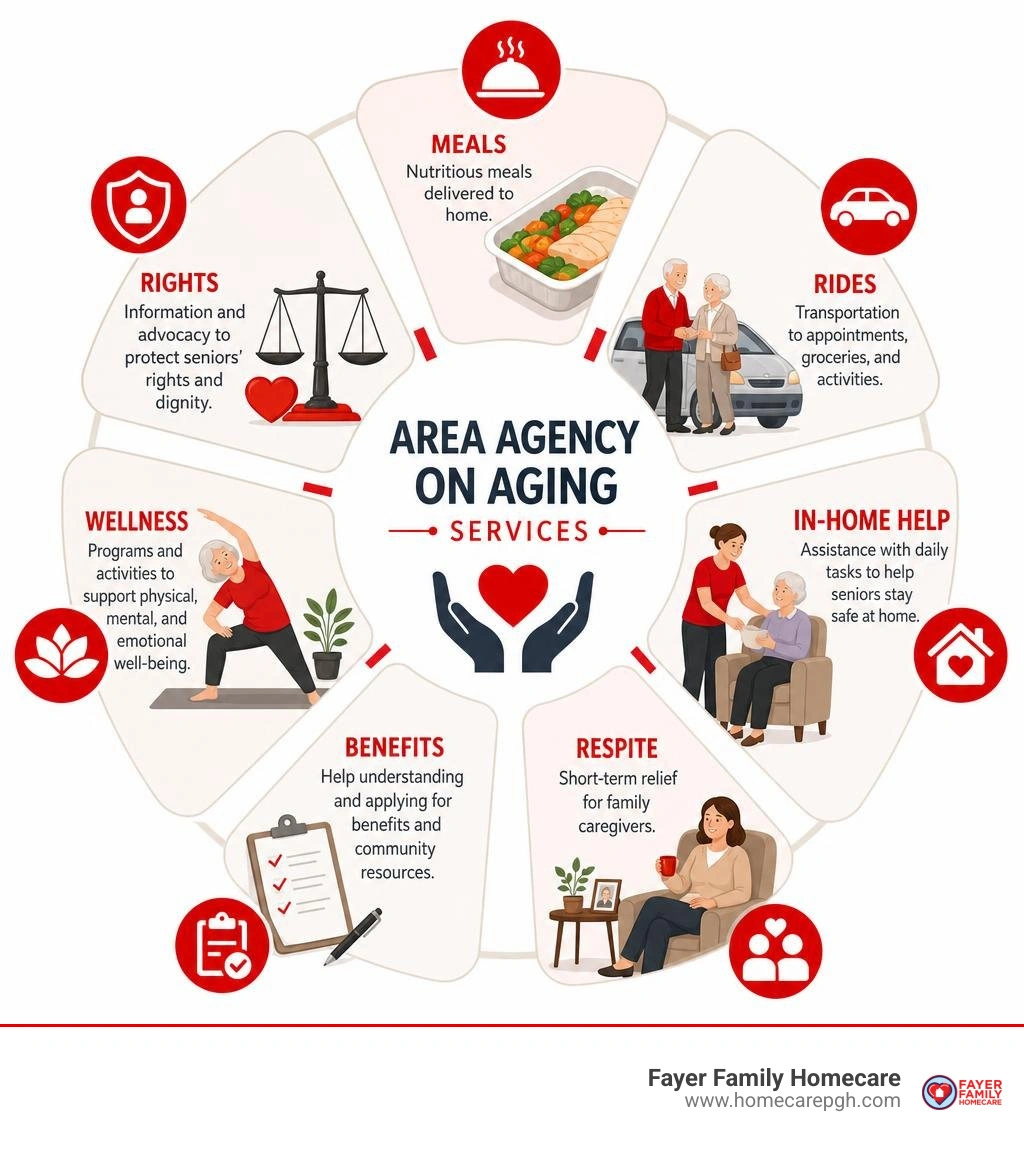
What services does area agency on aging provide terms to learn:
An Area Agency on Aging is a regional public or non-profit organization designated by the state to address the needs of older adults and their families at the local level. Established under the landmark 1973 amendments to the Older Americans Act (OAA), the nationwide network includes over 600 AAAs serving distinct geographic jurisdictions known as Planning and Service Areas (PSAs).
Rather than acting strictly as a single provider, an AAA functions as a community planner, funder, and central navigator. When your aging loved one needs extra support, you can turn to these agencies to find practical ways to help aging in place. Nationally, the median AAA operates with a budget of $5.3 million—drawing about 39% from the Older Americans Act, 27% from Medicaid waivers, and 20% from state general revenues—enabling them to coordinate safety-net supports.
Many AAAs operate as or partner with Aging and Disability Resource Centers (ADRCs), serving as a "No Wrong Door" entry point for families seeking long-term services and supports (LTSS). Standardized service structures, such as those outlined in the Federal Fiscal Year 2026 Service Definitions for Area Agencies on Aging, ensure that staff can evaluate functional needs, manage cases, and connect families with vetted local providers.
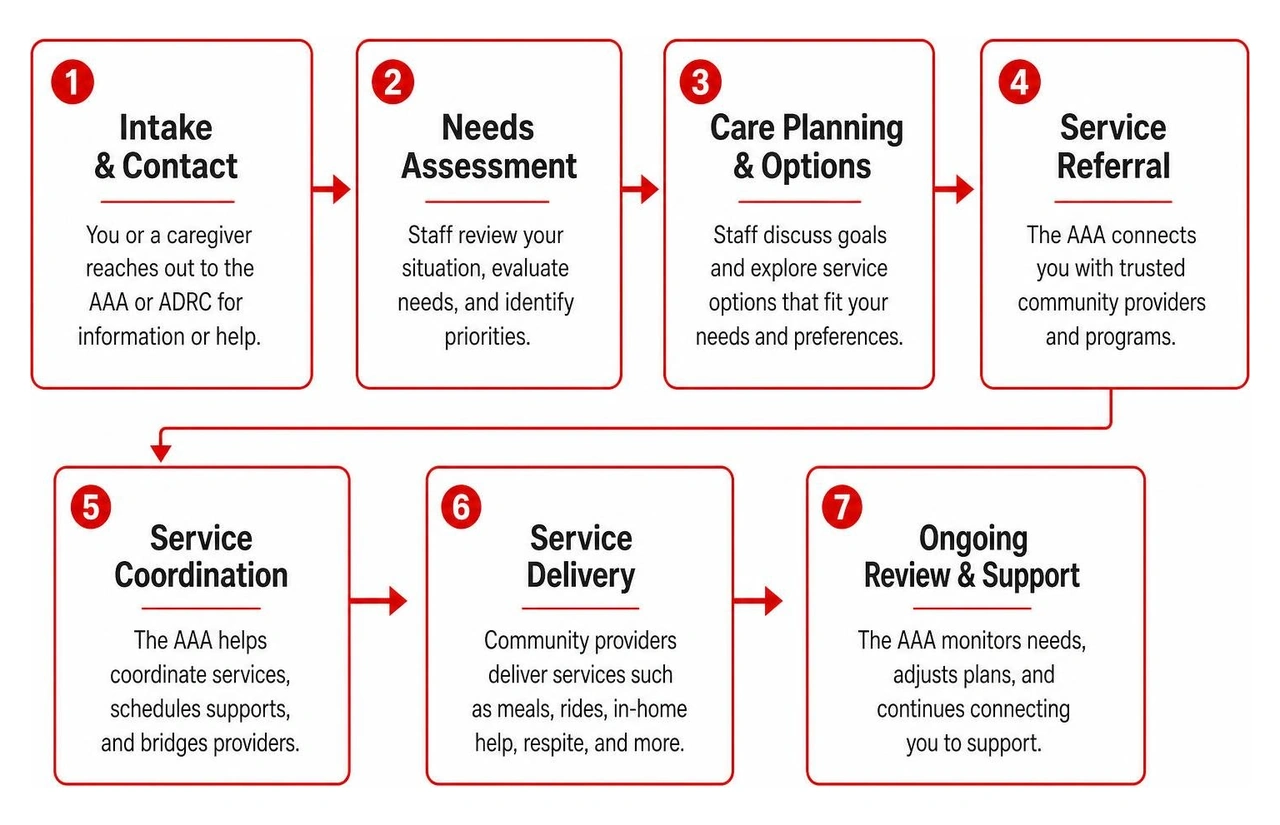
When adult children ask about public eldercare assistance, they want to understand the concrete day-to-day help available. The average AAA coordinates more than a dozen distinct programs beyond standard federal baselines, partnering with community providers to deliver both hands-on help and social support.
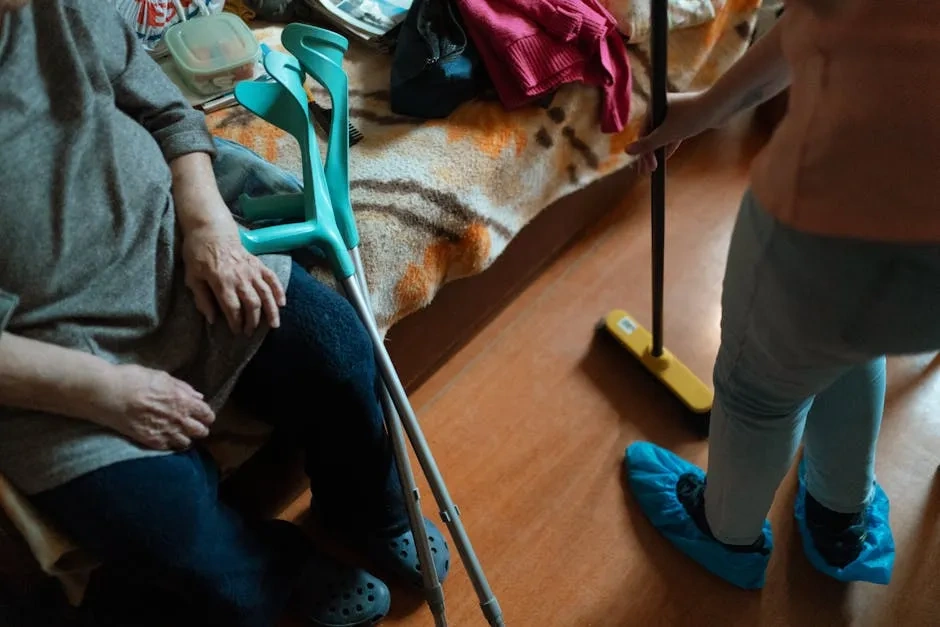
For an aging parent who struggles with everyday routines, AAAs fund essential in-home assistance to prevent premature nursing home placement. Agency caseworkers conduct comprehensive assessments to identify areas where your family member needs hands-on aid:
Good nutrition, safe mobility, and active wellness programs form the core of community aging supports. As highlighted in Area Agencies on Aging: Local Leaders in Aging Well at Home, AAAs tackle social drivers of health to keep seniors thriving:
Caring for an aging parent involves emotional, financial, and legal complexities. State directories provided by the Area Agencies on Aging | Department of Aging show how localized programs protect vulnerable seniors and give family caregivers the tools they need to sustain their responsibilities.
Caregiving is rewarding, but balancing work, parenting, and eldercare can lead to severe physical and emotional exhaustion. Through the National Family Caregiver Support Program (OAA Title III-E), AAAs offer vital relief:
When families arrange public respite vouchers alongside dependable care in the home services, they create a reliable safety net that prevents burnout and keeps their loved one comfortable at home.
Navigating healthcare paperwork and legal protections can be daunting. AAAs provide free, unbiased specialist support:
Because Older Americans Act funding is dedicated to community wellness, basic AAA safety-net services are generally available to any adult aged 60 and older, regardless of assets. However, priority is given to low-income seniors, rural residents, individuals facing social isolation, and those at high risk of institutionalization. Additionally, over 75% of AAAs serve family caregivers of any age, and 77% support younger adults living with qualifying disabilities.
| Program Type | Funding Source | Eligibility Requirements | Typical Cost to Family |
|---|---|---|---|
| Title III OAA Community Services | Older Americans Act & State General Funds | Age 60+ (or family caregiver); prioritized by functional need | Free; voluntary, confidential contributions welcomed |
| Medicaid Waiver Programs | Federal & State Medicaid | Strict income/asset limits & nursing-facility level of care | Fully covered for Medicaid recipients; possible cost-sharing |
| Private-Duty Home Care | Private Pay, Long-Term Care Insurance, VA Aid & Attendance | Open to all individuals needing personalized assistance | Hourly or per-visit rates based on customized care plan |
Finding your local agency is straightforward. You can use the national Eldercare Locator online or call 1-800-677-1116. Families seeking local county resources can explore Pittsburgh senior services or reach out directly to the SeniorLine - Allegheny County Department of Health and Human Services to begin an intake evaluation.

While public AAA programs provide essential relief, their funding and staffing models often limit the number of hours an aide can visit. Public programs typically offer short-term, intermittent visits—often a few hours per week—or place applicants on waiting lists during high-demand periods.
For seniors requiring continuous supervision, personalized meal preparation, or specialized memory support for Alzheimer's disease and related dementias, combining community resources with private in-home care creates the ideal balance. For instance, an older adult might receive Meals on Wheels and participate in an AAA wellness class, while a dedicated private caregiver provides one-on-one companionship, medication reminders, and transfers throughout the rest of the week.
Families exploring comprehensive elder care Pittsburgh options can review our guide on understanding the costs and options in private home care to build a flexible care arrangement. Scheduling a comprehensive in-home care assessment helps identify exact functional needs, safety risks, and caregiver schedules, ensuring your parent receives dedicated, compassionate support without unnecessary gaps.
Core supportive programs funded under the Older Americans Act (such as nutrition programs, wellness classes, and benefits counseling) are provided at no direct charge. Agencies encourage voluntary, confidential donations from participants who can afford to contribute, but no eligible senior is turned away for inability to pay. Specialized Medicaid waiver services require meeting state income and asset criteria.
No. AAAs are designed to deliver safety-net, intermittent community supports rather than continuous, round-the-clock bedside nursing or constant personal care. Families needing 24-hour supervision, overnight assistance, or extensive one-on-one daytime care typically supplement AAA services with private-duty home care providers.
Primary services are open to individuals aged 60 and older. However, most AAAs also serve family caregivers caring for an older loved one, kinship caregivers (such as grandparents age 55+ raising grandchildren), individuals of any age living with Alzheimer's disease or related disorders, and adults aged 18 to 59 with severe disabilities.
Navigating care for an aging parent can feel overwhelming, but you do not have to manage every responsibility alone. Area Agencies on Aging provide an invaluable community foundation—offering nutritious meals, vital transportation, caregiver respite, and health insurance counseling to help seniors live independently with dignity.
When your parent’s daily needs require more consistent, hands-on attention, blending public programs with compassionate, private care ensures complete peace of mind. At Fayer Family Homecare, we work alongside families to deliver specialized in-home care, companionship, and dementia support tailored to your loved one’s unique routine. Contact us today to learn how our dedicated team can support your family's caregiving journey.

October 1, 2024
Enhancing Life with Local Homemaker ServicesDiscover the best companions and homemakers near me to support elderly independence and non-medical care with Fayer Family Homecare.
Read Article
October 16, 2026
Navigating Parkinson's Home Care and Caregiver Support in PittsburghLearn how specialized Parkinson's home care Pittsburgh helps seniors age safely with cueing techniques, medication management, and local caregiver support.
Read Article
January 19, 2026
Decoding In-Home Care: What to Expect for Senior Care CostsDiscover the average home care cost for seniors. Explore care levels, funding options, and compare in-home vs. facility care.
Read Article