

August 4, 2025
Elderly Care Maids: Compassionate Help for Your Loved OnesDiscover how a maid for elderly care enhances senior independence & home safety. Learn about services, benefits, and how to find the best support.
Read Article
.svg)
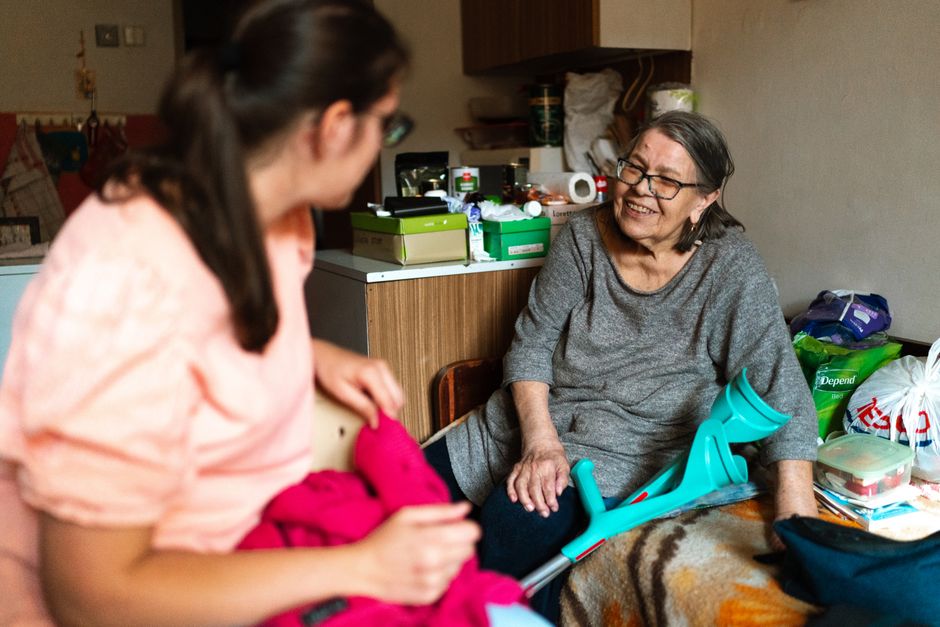
If you're looking for help aging in place for an elderly parent, here's a quick overview of what it takes:
Most older adults want one thing above all else: to stay home. According to AARP's 2024 survey, 75% of adults 50 and older want to remain in their current home as they age. That number likely sounds familiar if you're caring for a parent right now.
But wanting to stay home and being set up to do it safely are two very different things.
Only about 10% of U.S. homes have the basic features needed to support an aging adult. Falls send more than 3 million older adults to emergency rooms every year — and most of those falls happen at home. For families managing a parent's cognitive decline, the stakes are even higher.
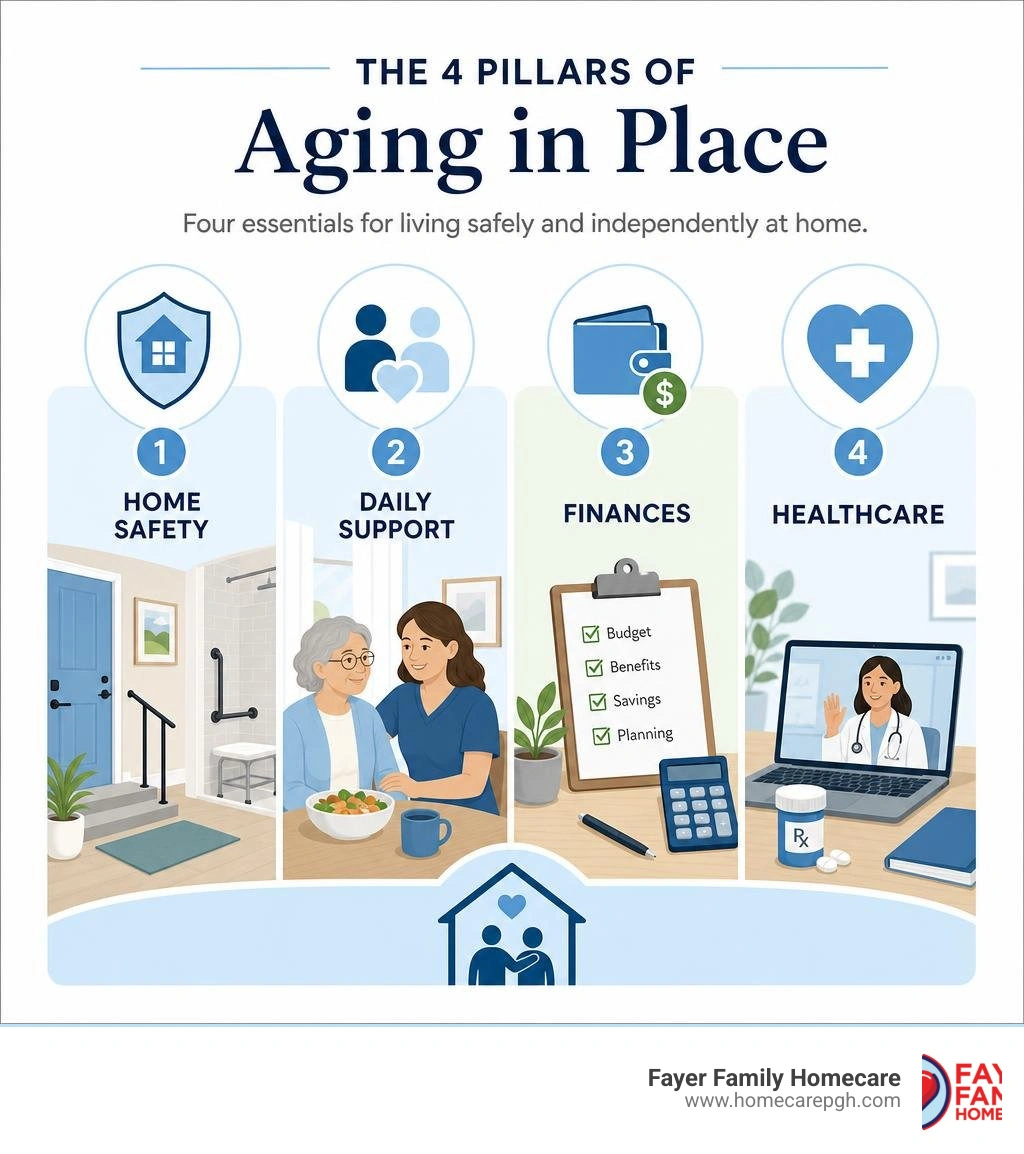
The good news: aging in place is absolutely achievable for most seniors. It just requires honest planning across four areas — home safety, daily support, finances, and healthcare. This guide walks your family through all of it.
To put it simply, "aging in place" means staying in your own home and community safely, independently, and comfortably as you grow older. It is a proactive strategy to avoid a premature move to a care facility. As we look at the landscape of senior care in July 2026, the desire to age at home is stronger than ever. However, achieving this goal requires a careful balance of emotional desires and physical realities.
To better understand the big picture, you can read the comprehensive resource from the Aging in Place: Growing Older at Home | National Institute on Aging .
For your parent, home is not just a building with four walls and a roof. It is a physical archive of their life—the kitchen where they cooked decades of family meals, the garden they tended, and the neighborhood where they feel known.
Remaining in this familiar environment provides a massive boost to emotional well-being. It preserves a vital sense of control. Your parent can think, "I may need some help now, but I am still running my own show." This psychological independence directly translates to better mental health outcomes, lower rates of depression, and a stronger will to stay active.
Furthermore, staying home keeps seniors connected to their established social networks. They can chat with the neighbor across the street, walk to the local corner store, or attend the same community gatherings they have enjoyed for years. This continuity of life is a major pillar of healthy longevity. For families in the Greater Pittsburgh Area, maintaining these deep local roots is a vital part of aging parent care.
While the benefits are clear, we must also be realistic about the hurdles. The very home that provided comfort for thirty years can quickly become an obstacle course as physical capabilities change.
The primary challenges families face include:
To navigate these hurdles successfully, families must transition from informal, crisis-driven help to a structured, proactive plan.
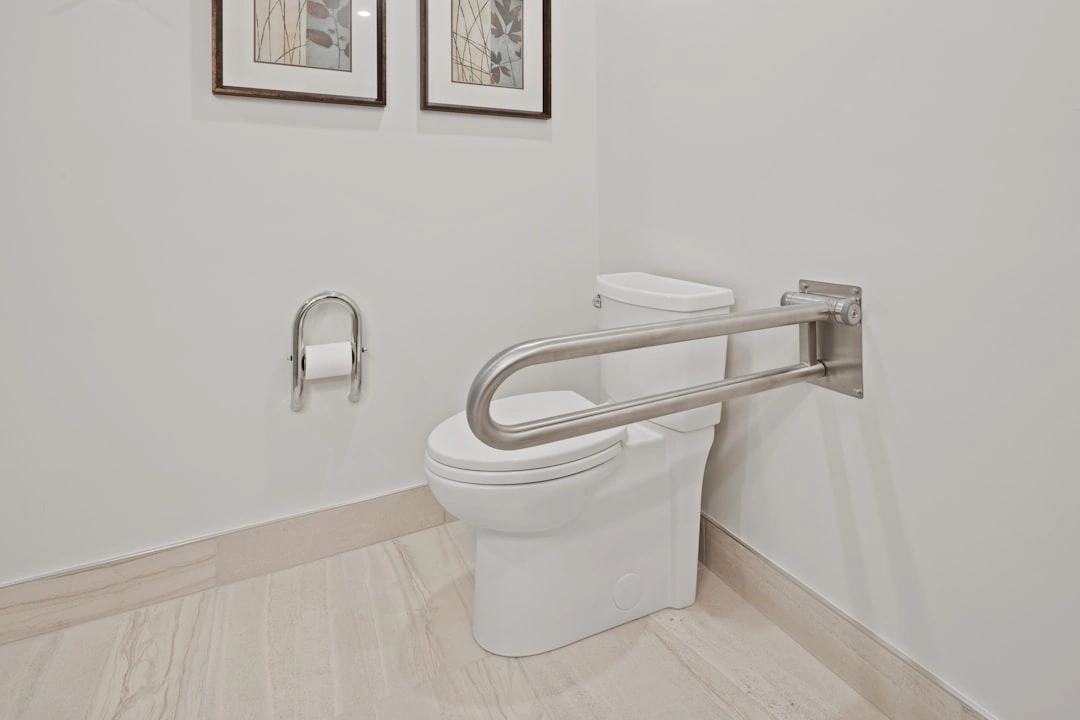
If you want to help aging in place feel realistic, you must start with the physical environment. We often assume that retrofitting a home requires a massive financial investment, but proactive modifications are actually highly cost-effective.
In fact, industry data shows that every $1 invested in home modifications has a return of $1.50 in reduced medical spending for adults 75 years and older. Proactive renovations made during a planned period cost 40% to 60% less than emergency retrofits after an injury.
To begin this process, we highly recommend reading How to Prepare Any Home for Aging in Place: A Complete Room-by-Room Safety Blueprint .
Only about 4 in 10 homes have even the most basic aging-ready features, such as a step-free entryway and a full bathroom on the first floor. Here is how you can systematically upgrade your parent's home using a practical Aging-in-Place Checklist | 55places Blog :
Modern "AgeTech" acts as a powerful, silent safety net that complements human care. When introducing technology to your parent, do it gradually—focusing on devices that solve one specific problem at a time.
Excellent tech tools to integrate include:
Even with a perfectly modified home, most seniors eventually need a hand with daily tasks. Bringing in professional support is not a sign of failure or a loss of independence; rather, it is a strategic step that allows your parent to stay home safely for much longer.
There is a major difference between medical "home health care" (which involves licensed nurses and physical therapists) and non-medical "home care." Non-medical care is designed to assist with the activities of daily living (ADLs) and keep your parent's home clean, comfortable, and organized.
Professional care generally falls into two categories:
For a complete breakdown of how these services fit together, see our Care in the Home Services guide.
When a loved one is diagnosed with progressive cognitive decline, the care equation changes. Seniors with Dementia or Alzheimer's rely heavily on routine and environmental familiarity. A move to an unfamiliar memory care facility can often trigger confusion, agitation, and rapid cognitive decline.
This is where specialized in-home care becomes invaluable. At Fayer Family Homecare, we understand that dementia care requires a highly customized approach. Our experienced caregivers focus on:
By keeping your parent in the comfortable, familiar surroundings of their Pittsburgh home, we help them maintain their dignity while giving your family invaluable peace of mind.
One of the most common questions families ask is: Can we actually afford to age in place?
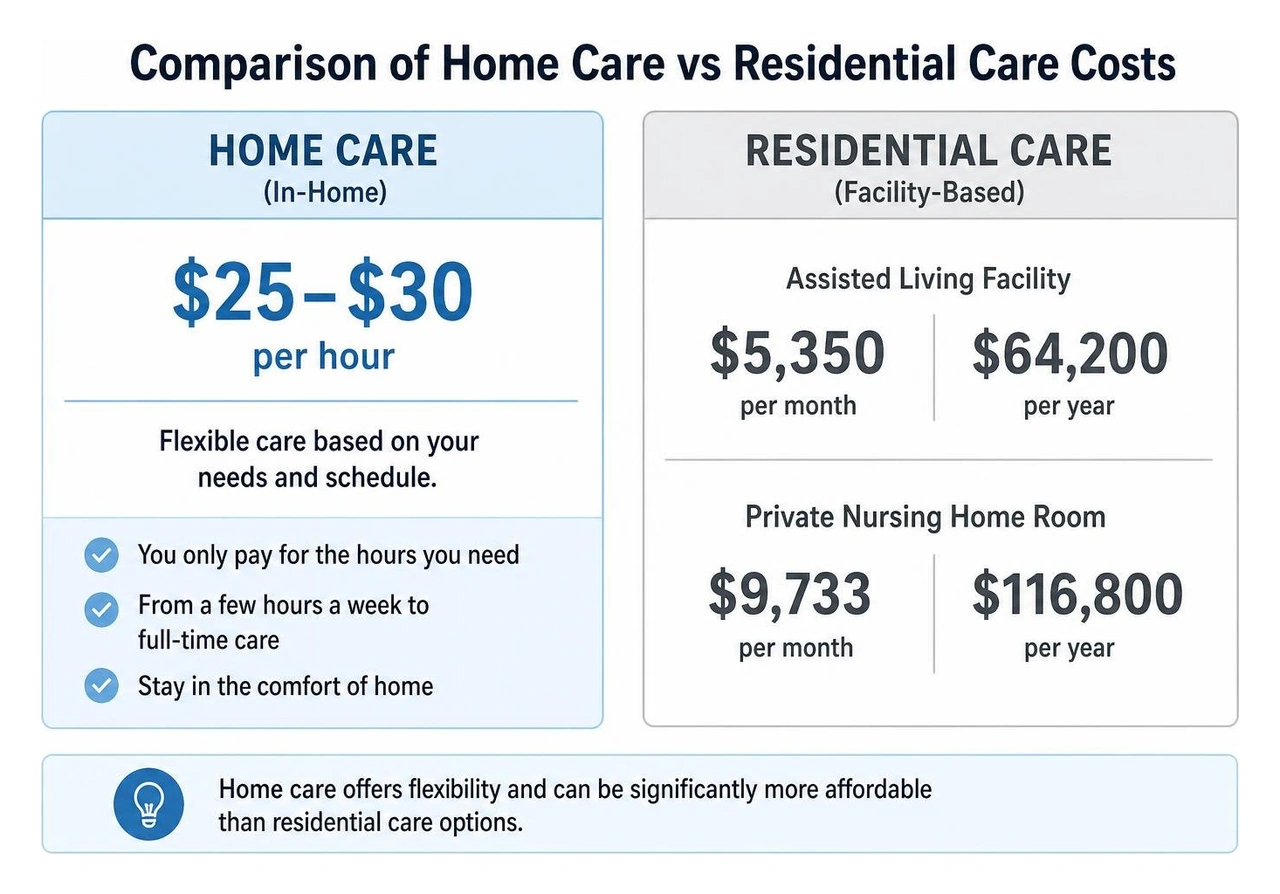
When you look at the numbers in 2026, the financial case for in-home care is incredibly strong. Let's look at the national median costs of care:
By comparison, non-medical home care is highly flexible. You only pay for the hours of care your parent actually needs—whether that is 10 hours a week for companionship or 40 hours a week for advanced personal care.
To build a sustainable financial plan, families should look at a variety of funding sources:
For a step-by-step roadmap on financial preparedness, read Aging in Place: 7 Essential Steps to Plan Ahead Safely - SetToRetire .
Navigating public benefits can feel overwhelming, but there are several key programs designed to support aging at home:
Aging in place is not a static decision. A plan that works perfectly this year may need to be adjusted next year as your parent's physical or cognitive needs change.
As adult children, we must look past the reassuring words of "I'm doing just fine" and pay attention to objective physical and behavioral clues. It may be time to increase support or bring in professional caregivers if you notice:
Discussing care with an aging parent is rarely easy. It can trigger feelings of defensiveness, fear of losing control, or denial.
To make this conversation collaborative rather than confrontational, try these strategies:
Professional home care provides tailored, non-medical support that bridges the gap between independence and safety. Caregivers assist with daily tasks like bathing, dressing, meal preparation, light housekeeping, and medication reminders. Beyond physical assistance, they offer vital companionship and supervision, reducing the risks of social isolation and ensuring that any sudden changes in health are quickly noticed and addressed.
No, Medicare does not cover the physical costs of home modifications, such as installing grab bars, ramps, or walk-in tubs. However, Medicare Part B will pay for an occupational therapy evaluation with a physician’s referral. During this evaluation, a therapist will assess your parent’s physical capabilities and provide a professional blueprint of the safety modifications needed in their home.
To combat loneliness, families can combine human support with community resources and technology. Scheduling regular, predictable family visits or video calls is a great baseline. You can also utilize local senior centers, arrange for dedicated transportation services, or hire a professional companion caregiver who can provide regular conversation, assist with hobbies, and help your parent stay actively engaged in their Pittsburgh community.
Helping an aging parent remain in the comfort of their own home is one of the greatest gifts a family can provide. It preserves their dignity, honors their history, and allows them to live on their own terms. But successful aging in place is not something you have to figure out all on your own.
By taking a proactive approach—assessing the home, making targeted safety updates, and building a reliable care network—you can turn the challenges of aging into a safe, manageable, and deeply rewarding chapter of life.
At Fayer Family Homecare, we are dedicated to helping families navigate this journey with absolute confidence. Our experienced, compassionate caregivers provide specialized care for seniors and those living with Dementia or Alzheimer's throughout the Greater Pittsburgh Area. Whether you need a few hours of companion care each week or dedicated personal care, we are here to ensure your loved one enjoys a clean, comfortable, and safe home environment.
Ready to take the next step? We invite you to read our local Aging in Place Pittsburgh Guide or explore our home care services to schedule your personalized care consultation today. Let us help you bring safety, comfort, and peace of mind back home.

August 4, 2025
Elderly Care Maids: Compassionate Help for Your Loved OnesDiscover how a maid for elderly care enhances senior independence & home safety. Learn about services, benefits, and how to find the best support.
Read Article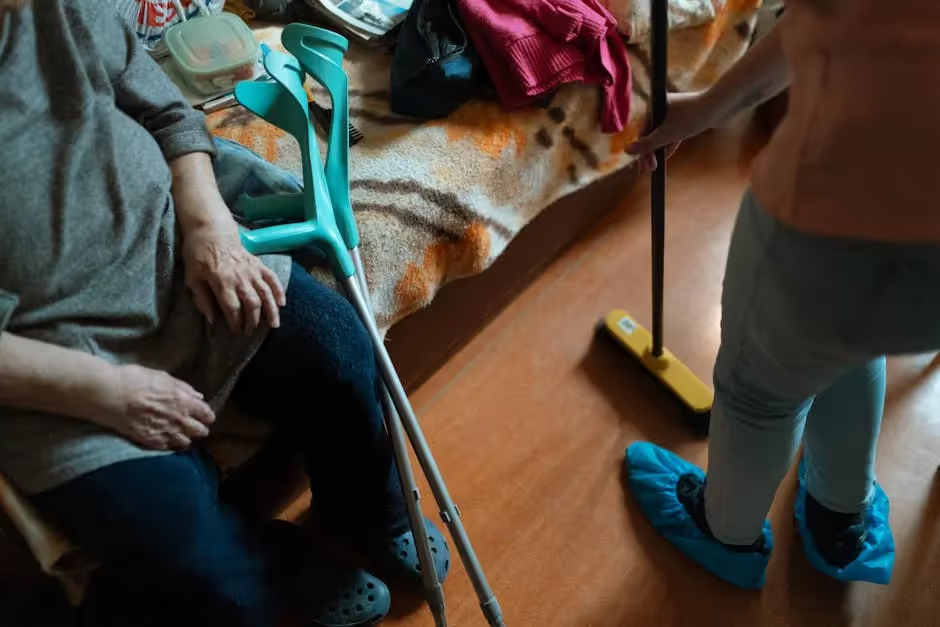
December 12, 2024
The Essential Guide to Light Housekeeping for SeniorsDiscover essential tips and benefits of light housekeeping for seniors to enhance safety, comfort, and independence at home.
Read Article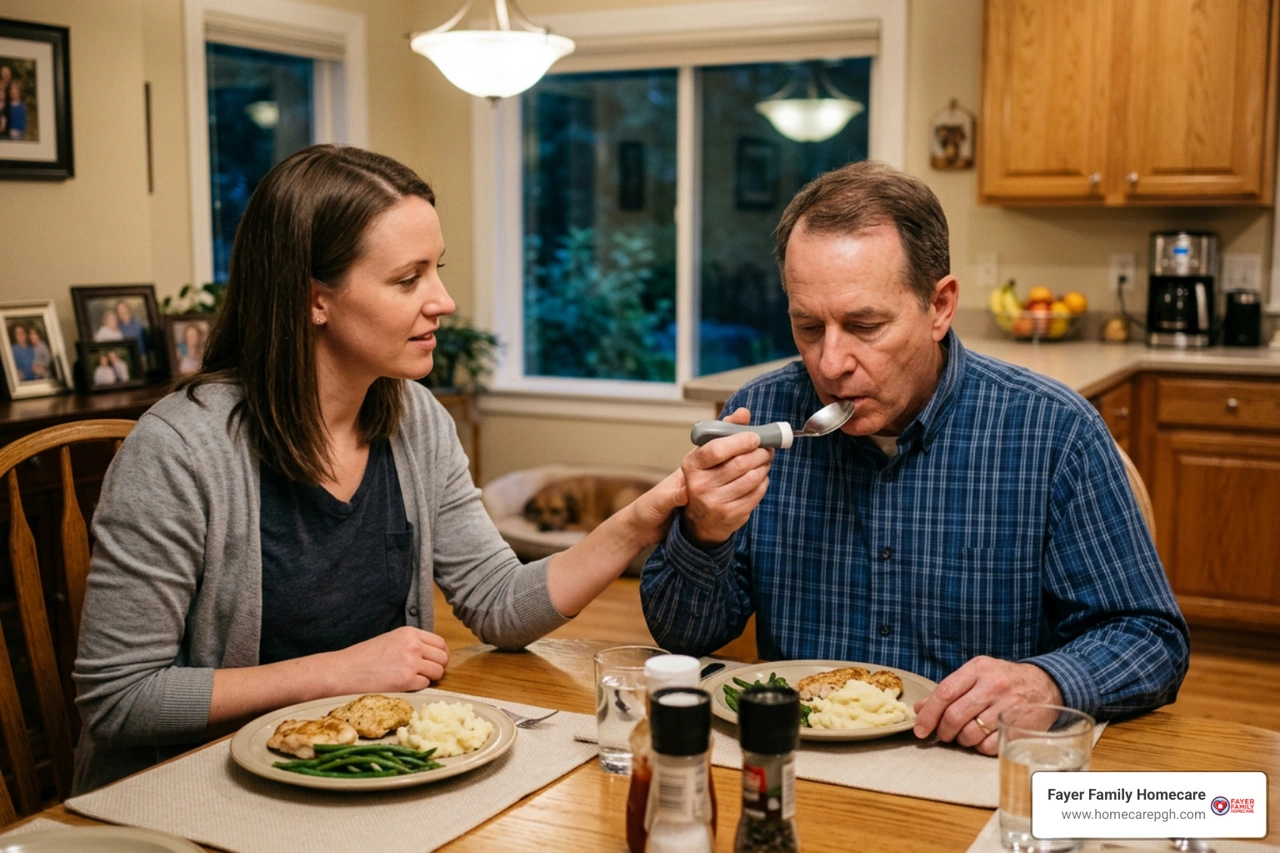
September 14, 2026
Parkinson's Daily Living Assistance and Practical Mobility StrategiesDiscover practical Parkinson's daily living assistance tips for hygiene, mobility, safety, and caregiver support to improve quality of life.
Read Article