
August 4, 2025
Elderly Care Maids: Compassionate Help for Your Loved OnesDiscover how a maid for elderly care enhances senior independence & home safety. Learn about services, benefits, and how to find the best support.
Read Article
.svg)
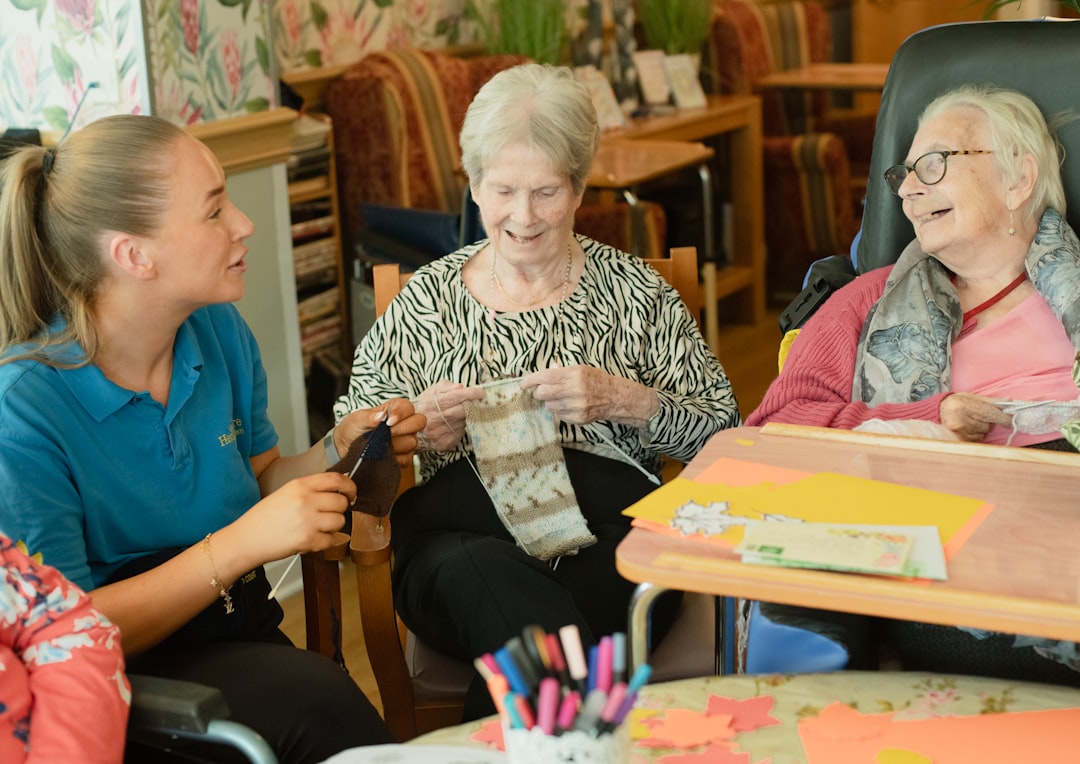
Dementia patient activities are one of the most powerful — and most overlooked — tools available to family caregivers. Finding the right things to do with a loved one who has Alzheimer's or dementia can feel overwhelming. But the research is clear: meaningful engagement improves mood, slows cognitive decline, and reduces difficult behaviors like agitation and anxiety.
Here is a quick overview of activity types that work well across different stages:
| Activity Type | Best For | Examples |
|---|---|---|
| Cognitive | Mild stage | Puzzles, card games, scrapbooking |
| Music & entertainment | Moderate stage | Sing-alongs, vintage movies |
| Sensory & physical | Severe stage | Hand massage, sorting, soft textures |
| Household tasks | All stages | Folding laundry, watering plants |
| Outdoor & nature | All stages | Walking, bird watching, gardening |
| Social & group | All stages | Memory cafés, singing groups |
The goal is not perfection. It is connection. As one principle repeated across dementia care research puts it: the process matters far more than the outcome.
In this guide, you will find practical, stage-appropriate activity ideas — from simple household routines to community outings — that help your loved one feel valued, calm, and engaged every day.
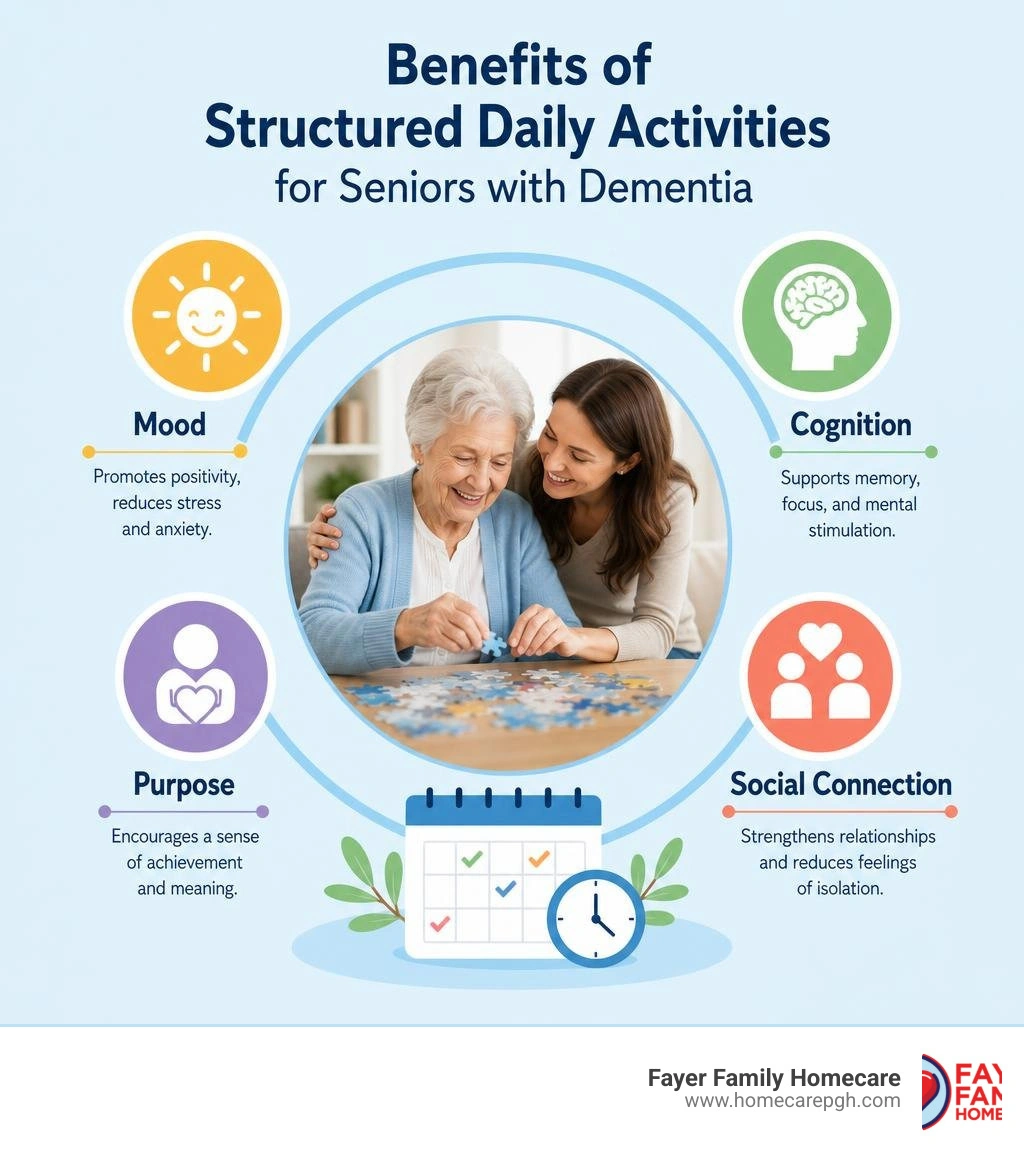
Basic Dementia patient activities terms:
When a loved one receives a dementia diagnosis, it is easy to fall into the trap of focusing solely on their physical needs and safety. While those are undoubtedly critical, nurturing their cognitive, emotional, and social well-being is just as vital. Engaging in structured, therapeutic activities is not about "killing time." Rather, it is about maintaining a high quality of life and preserving the senior's sense of self.
First and foremost, purposeful activities provide crucial cognitive stimulation. When we stimulate the brain, we encourage neuroplasticity and help maintain remaining cognitive functions. A landmark study by Rush University Medical Center found that senior citizens who scored high on their "purpose of life" scale experienced a remarkable 30% lower rate of cognitive decline. Activities give seniors a reason to get out of bed, a goal to focus on, and a sense of personal identity that the disease tries to strip away.
From an emotional standpoint, staying active reduces feelings of boredom, isolation, and helplessness. When individuals with dementia have nothing to occupy their time, they often experience increased agitation, restlessness, and anxiety. According to a comprehensive scientific research study on the benefits of group activities, structured group activities resulted in significantly higher levels of engagement, more positive mood, and less daytime sleepiness compared to unstructured time.
Furthermore, activities offer a natural bridge for social connection. Social isolation is associated with a higher risk of depression and accelerated cognitive decline. By participating in shared hobbies, family gatherings, or community outings, seniors can maintain their relationships and feel like active members of their family and community.

Maintaining physical health is closely linked to brain health. Simple physical movements can improve blood flow to the brain, strengthen muscles, and improve balance, which drastically reduces the risk of dangerous falls. Incorporating gentle exercises into your loved one's routine can also improve their sleep quality and decrease nighttime wakefulness.
Cognitively, activities that challenge the brain without overwhelming it are ideal. A 2022 study published in the journal Neurology revealed that playing card games or working on jigsaw puzzles was associated with a lower risk of developing Alzheimer’s disease. These games require focus, visual-spatial reasoning, and short-term memory, keeping those neural pathways active.
When planning activities at home, we recommend starting with things your loved one already enjoys and adapting them. For a comprehensive list of ideas, take a look at our Dementia Activities at Home guide, which outlines how to structure a day filled with failure-free cognitive and physical games.
As dementia progresses, cognitive processing can become more challenging, making sensory-based activities incredibly valuable. Sensory stimulation taps into the five senses — sight, sound, touch, taste, and smell — which often remain intact even when language and short-term memory fade.
According to a 2021 review in the Journal of Alzheimer’s Disease, sensory stimulation may help improve memory, recall, and overall cognition in people living with dementia. For example, aromatherapy using familiar scents like lavender or frankincense can trigger deep emotional memories and promote relaxation.
Another highly effective sensory intervention is pet therapy. A review published in BMC Psychiatry found that pet therapy can significantly reduce symptoms of agitation, restlessness, and aggression in people with Alzheimer’s disease. The simple act of brushing a dog's fur or watching fish swim in a tank provides a soothing, grounding experience.
Music therapy is another powerful tool. Many individuals with dementia retain their ability to sing and remember lyrics long after they have lost the ability to carry on a conversation. Playing familiar tunes from their youth can immediately boost their mood, reduce anxiety, and even help them recall specific memories from their early life.
For more insights on managing emotional changes and choosing the right care approach, you can read our guide on Care for Alzheimer's and Dementia.
One of the most important rules of caregiving is that activities must match the individual’s current cognitive and functional abilities. What is fun and engaging for someone in the early stages of dementia can be incredibly frustrating and confusing for someone in the later stages.
To help you plan, we can look at the clinical data. A landmark clinical study on activity characteristics by dementia stage analyzed the types of activities and average engagement times for seniors at different stages of the disease.
| Dementia Stage | Typical Engagement Time | Recommended Activity Types | Setup & Support Needed |
|---|---|---|---|
| Mild | ~30 minutes | Complex crafts, card games, word games, puzzles | Minimal; assistance with initiation (44.4% of the time) |
| Moderate | ~25 minutes | Music, sing-alongs, vintage movies, simple sorting | Moderate; frequent cueing and redirection (~77.8%) |
| Severe | ~15 minutes | Sensory stimulation, tactile boards, gentle massage | High; constant supervision and physical assistance |
By understanding these stages, you can set realistic expectations and adapt activities so your loved one always experiences success rather than failure.
In the mild stage of dementia, seniors still retain a high level of independence but may struggle with short-term memory, concentration, and planning. During this stage, they can typically stay focused for about 30 minutes on relatively complex cognitive tasks and creative projects.
Excellent activities for the mild stage include:
For a deeper dive into managing these early-stage activities, check out our Alzheimer's Activities at Home Guide.
During the moderate stage, cognitive decline becomes more pronounced. Seniors may experience increased confusion, difficulty communicating, and changes in behavior. Their average engagement time drops to about 25 minutes, and they require much more cueing and redirection from caregivers to keep them on track.
At this stage, activities should shift away from complex problem-solving and focus instead on emotional connection, music, and familiar routines. Music is particularly magical here because of the "reminiscence bump" — the scientific phenomenon where people remember music and events from their adolescence and early adulthood (ages 10 to 30) most vividly.
Great moderate-stage activities include:
To support your family through this stage, we offer Specialized Alzheimer's Care tailored to these exact behavioral and cognitive needs.
In the severe stage of dementia, physical and cognitive abilities are significantly compromised. Verbal communication is minimal, and motor skills are limited. The average engagement time is about 15 minutes, and activities must be heavily simplified, focusing almost entirely on sensory stimulation and comfort.
The goal in the late stage is to promote relaxation, prevent skin breakdown, and maintain a peaceful environment.
Recommended late-stage activities include:
For families navigating these advanced stages, professional support can make a world of difference. Learn more about how we assist families in our guide on Alzheimer's Care at Home.
One of the biggest misconceptions in dementia care is that "activities" must always be structured games or crafts. In reality, some of the most engaging and comforting activities are everyday household chores.
For decades, your loved one likely took pride in maintaining their home, cooking meals, or working a job. Suddenly taking all responsibilities away can lead to "learned helplessness" — a state where a senior stops trying because everything is done for them, leading to a faster decline in their actual abilities. By turning chores into activities, we encourage independence, support role continuation, and cultivate a sense of purpose.

When we involve seniors in daily household tasks, we must frame the activity as a helpful contribution. Instead of saying, "Here is something to keep you busy," try saying, "I really need your help with this. Could you help me fold these towels?" This simple shift in language restores dignity and makes them feel needed.
Some wonderful, failure-free household activities include:
These everyday interactions are at the heart of our Dementia Companionship Care services, where we focus on keeping seniors active in their own home routines.
To ensure household chores remain enjoyable and safe, caregivers should follow a few practical guidelines:
For more practical tips on setting up a safe, supportive home environment, read our resource on Navigating Alzheimer's: A Comprehensive Guide to Senior Home Care.
Getting fresh air and stepping outside the house can work wonders for a senior's mood and physical well-being. A study published in the journal Dementia found that exposure to nature has a direct, positive effect on mood in people living with dementia. Furthermore, a systematic review of 17 studies concluded that spending time outdoors in a garden significantly reduced agitation and restlessness among dementia patients.
In addition to the emotional benefits, spending just 10 to 15 minutes in the sun each day helps the body produce vitamin D, which is essential for healthy bones and immune function.
When planning outdoor activities, safety and comfort are key. Always check the weather, ensure your loved one is wearing comfortable shoes, and bring along water and a sun hat.
Some wonderful outdoor activities include:
If you are looking for professional assistance to help your loved one enjoy the outdoors safely, our Dementia Home Care Services can provide the supervised companionship they need.
Socializing in traditional public settings can sometimes feel stressful for families living with dementia. Fortunately, the Greater Pittsburgh Area has embraced several dementia-friendly initiatives designed to reduce social isolation and provide a welcoming, judgment-free environment.
Some fantastic local resources and activities include:
To learn more about local care options and community integration in our area, explore our Dementia Care Pittsburgh PA page.
It is completely normal for an activity to fall flat occasionally. If your loved one becomes frustrated, agitated, or disengaged, the best strategy is to pivot immediately. Never force them to continue, and avoid correcting their mistakes.
Instead, gently step in to help with the difficult parts, break the task down into simpler steps, or change the subject entirely. The goal is to keep them happy and comfortable. If you'd like to understand more about how cognitive changes affect behavior, read our guide on Understanding the Difference Between Alzheimer's & Dementia.
Technology can be an incredible asset in modern dementia care. Tablets and smartphones offer access to simplified digital puzzles, coloring apps, and classic games. You can also use Google Maps to virtually visit places from your loved one's youth, which is a fantastic tool for reminiscence therapy.
A recent feasibility study on home-based activity kits showed that pre-packaged, structured activity kits (which can include digital elements, large-print reading materials, and music playlists) are highly successful in home settings, adding interest to daily routines and improving communication between seniors and their family caregivers.
Absolutely! Children and seniors with dementia often share a beautiful, natural connection. Children are often remarkably accepting of dementia behaviors because they live in the moment themselves.
To foster this intergenerational connection, involve grandchildren in simple, failure-free activities like coloring sessions, looking through picture books, blowing bubbles, or singing nursery rhymes together. You can also create a hands-on adult activity board with mechanical parts (like locks, latches, or switches) that both a child and a senior will enjoy exploring together. Just be sure to provide the child with an age-appropriate explanation of dementia beforehand.
Keeping a loved one with dementia engaged, happy, and connected requires patience, flexibility, and a willingness to focus on the joy of the moment. Whether you are folding laundry together, listening to a favorite song, or visiting a local memory café, these small moments of connection are what truly matter.
At Fayer Family Homecare, we understand that caregiving is a journey that no family should have to walk alone. We provide compassionate, personalized care for seniors living with Dementia or Alzheimer’s across the Greater Pittsburgh Area. Our experienced caregivers are dedicated to offering warm companionship, reliable supervision, and engaging recreational activities, ensuring your loved one remains safe, clean, and comfortable in the home they love.
If you would like to learn more about how we can support your family, please visit our companion care services page or contact us today.

August 4, 2025
Elderly Care Maids: Compassionate Help for Your Loved OnesDiscover how a maid for elderly care enhances senior independence & home safety. Learn about services, benefits, and how to find the best support.
Read Article
December 1, 2025
20 Thoughtful Gifts for Elderly to DiscoverDiscover 20 thoughtful gifts for elderly loved ones. Find perfect presents for comfort, connection, and joy, tailored to their unique needs.
Read Article
November 3, 2025
Senior Care Cleaning: What to Look for in a Home ServiceFind the best cleaning service for seniors near me. Ensure safety, health, and independence for your loved one with expert home care.
Read Article