
September 3, 2025
Plan, Prep, Prosper: How to Master Your Weekly MealsMaster senior meal planning for better health & less stress. Get our 4-step guide to nutritious, easy meals today!
Read Article
.svg)
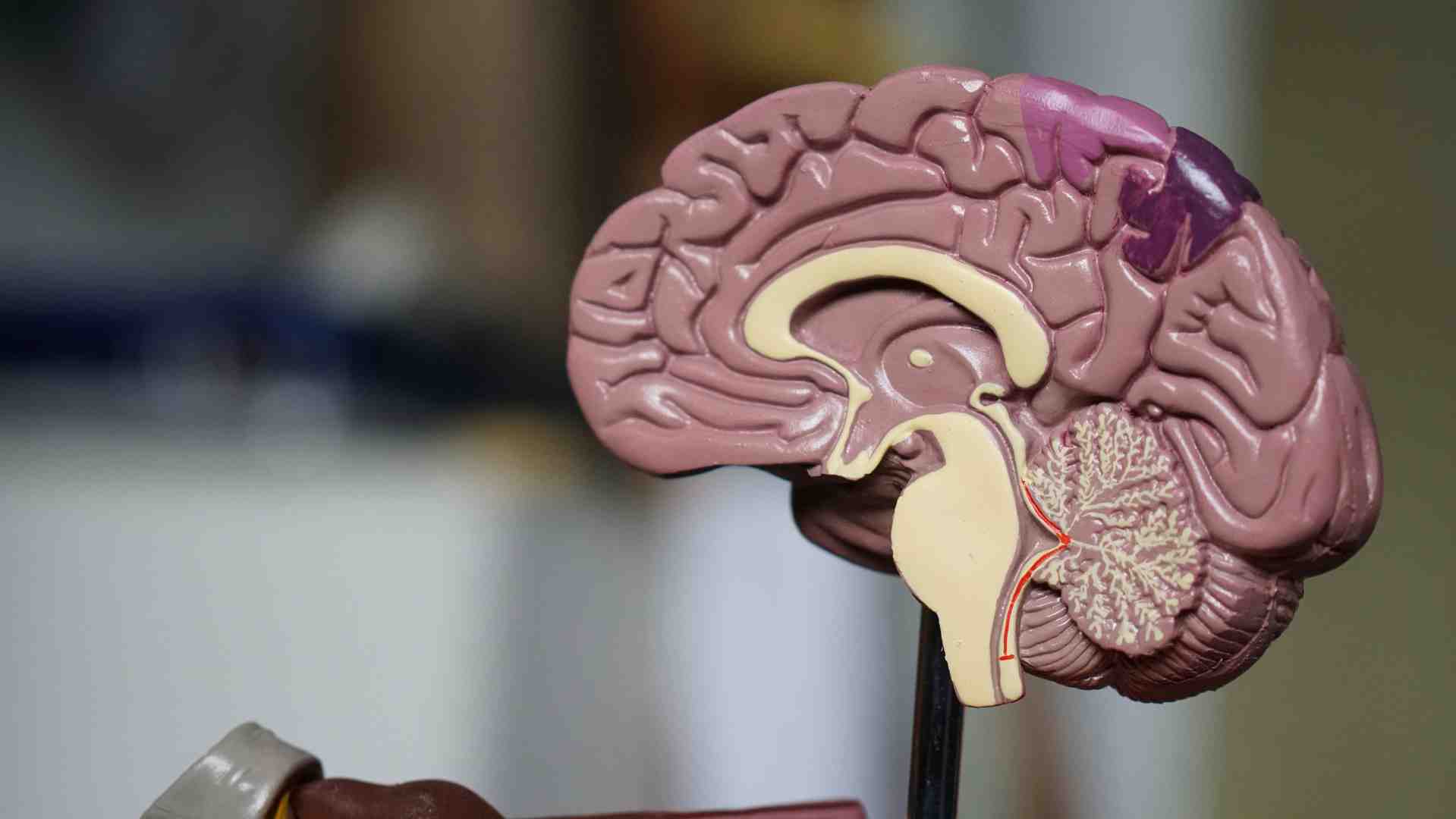
If you're navigating stroke recovery home care in Pittsburgh for an elderly parent, here's a quick overview of what that typically involves:
Stroke is the leading cause of adult disability in the United States. Nearly 800,000 Americans experience a stroke every year, and more than two-thirds of survivors will live with some lasting disability. For families in Pittsburgh, that often means making fast, stressful decisions about what kind of care to arrange — and where.
The good news? Coming home doesn't have to mean going it alone.
Home-based care gives stroke survivors the support they need in the place they feel safest — their own home. For adult children managing this transition, understanding what recovery actually looks like at home is the first step toward making a confident, informed choice for your loved one.
At Fayer Family Homecare, we work closely with Pittsburgh families navigating exactly this moment, and this guide walks you through everything you need to know — from care options and eligibility to what to look for in a provider.
When a senior parent suffers a stroke, the immediate aftermath in an acute care hospital or rehabilitation facility can feel overwhelming. Once stable, the conversation quickly shifts to the next phase: recovery. Choosing the right environment for your loved one's continuing care is one of the most important decisions your family will make.
Strokes occur when blood flow to a portion of the brain is interrupted (ischemic stroke) or when a blood vessel bursts (hemorrhagic stroke). While hemorrhagic strokes account for about 15 percent of all strokes, they represent roughly 40 percent of stroke deaths. Because stroke risk generally doubles with every decade of life, our elderly parents face the highest vulnerability.
Selecting the proper post-acute setting ensures that your parent receives appropriate medical oversight while continuing to regain physical, cognitive, and emotional function. Understanding the localized continuum of care across Allegheny County helps families transition smoothly from hospital to home.
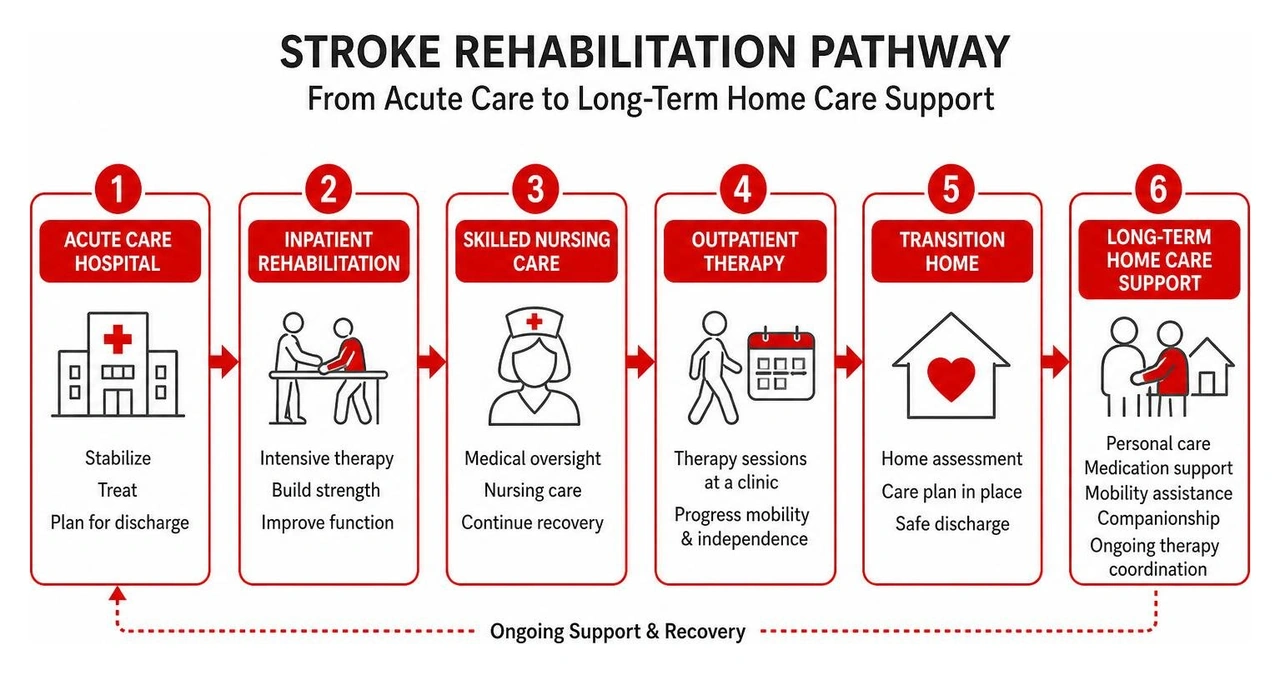
Stroke rehabilitation is not a one-size-fits-all process. Depending on the severity of neurological damage, your parent may move through multiple stages of care.
Inpatient rehabilitation facilities provide intensive, round-the-clock medical care where patients complete several hours of active therapy daily. Skilled nursing facilities offer a step down in intensity for seniors who need extra time to rebuild strength before returning home. Outpatient clinics require patients to travel several times a week to a facility for therapy sessions.
In contrast, stroke recovery home care in Pittsburgh brings essential therapy and daily caregiving straight to your parent's front door. For many seniors, practicing skills in their actual living space yields far more practical, lasting results than working in a clinical setting.
| Care Setting | Daily Intensity | Environment | Best Suited For | Key Advantages |
|---|---|---|---|---|
| Inpatient Rehabilitation | High (3+ hours/day of therapy) | Hospital or residential unit | Acute post-stroke phase, severe physical or cognitive deficits | 24/7 medical supervision and immediate clinical intervention |
| Outpatient Clinics | Moderate (1–3 visits per week) | External clinical facility | Mobile seniors with reliable family transportation | Access to specialized clinic equipment |
| In-Home Recovery | Tailored (Visiting therapists + daily home care aides) | The senior's personal residence | Post-acute survivors transitioning home who need functional support | Real-world daily practice, maximum comfort, zero travel stress |
For clinical guidelines on medical rehabilitation, you can read more about options at UPMC Stroke Rehabilitation Services and explore outpatient clinical diagnostic options at Pain & Spine Center Stroke Rehabilitation.
The primary advantage of home-based rehabilitation is functional relevance. When physical, occupational, or speech therapists visit your loved one at home, they teach adaptive skills in the exact environment where those skills must be used every single day.
For example, learning to navigate stairs in a clinic is quite different from learning to climb the narrow, hardwood staircase of a historic home in Squirrel Hill, Lawrenceville, or Mount Lebanon.
Key benefits of receiving home care and home therapy include:
To learn more about setting up long-term support at home, explore our detailed guide on in-home senior care in Pittsburgh.
A successful stroke recovery plan at home relies on a coordinated team approach. Medical clinicians, physical therapists, speech-language pathologists, occupational therapists, and dedicated home care caregivers must work in harmony to support your parent's physical and emotional healing.
While visiting physical therapists focus on neurological retraining and strength, non-medical home care caregivers provide the daily backbone of support. They ensure your parent remains safe, comfortable, and encouraged between therapy appointments.
Following a stroke, simple daily tasks can suddenly feel like overwhelming obstacles. Paralysis or weakness on one side of the body (hemiplegia or hemiparesis), loss of fine motor control, and speech difficulty (aphasia) often require continuous assistance.
At Fayer Family Homecare, our experienced caregivers deliver practical, dignified daily support, including:
Physical therapy can—and often should—begin as early as 24 hours post-stroke, even while the patient is still hospitalized. Once your parent transitions home, therapy can commence almost immediately, with initial in-home sessions usually scheduled within 48 hours of intake.
Neurological rehabilitation leverages neuroplasticity—the brain's remarkable ability to reorganize itself by forming new neural pathways. To stimulate affected muscles and retrain the brain, consistency is critical.
Home care caregivers assist by encouraging daily routines, incorporating habit-stacking techniques, and using the "2-minute rule" to keep seniors engaged with their prescribed home exercise routines without causing over-exhaustion.
Our team works hand-in-hand with physical and occupational therapy goals, focusing on crucial skills covered in our guide to assistance with daily living:
Navigating financial coverage, insurance policies, and care provider options can feel confusing during an already challenging period. Knowing what to expect financially and legally helps Pittsburgh families make sound decisions without unexpected surprises.
To qualify for home health therapy covered by Medicare or private health insurance, a senior usually must be evaluated by a physician and certified as "homebound." This means leaving the home requires considerable, taxing effort and specialized assistance or equipment.
Key facts regarding costs and coverage in the Pittsburgh area include:
For families requiring flexible non-medical caregiving alongside visiting medical therapists, reviewing options for non-medical home health support is a helpful next step.
Not all care agencies are equipped to manage the complex needs of a stroke survivor. When interviewing home care agencies in Allegheny County, it is essential to verify their clinical standards and caregiver vetting protocols.
Use this checklist when evaluating potential home care providers:
To help evaluate your options, we invite families to review our free in-home care assessment guide and explore our comprehensive aging in place Pittsburgh guide.
The initial in-home care visit sets the foundation for your parent's recovery journey. During this appointment, a care manager conducts a detailed clinical and home environment assessment.
They will walk through the residence to identify safety hazards—such as loose throw rugs, poor lighting, or slick bathroom flooring—and discuss your parent's daily routine, dietary restrictions, and personal preferences.
The care manager will also review hospital discharge notes, coordinate with family members, and establish clear functional goals for the caregiving team. This ensures everyone is aligned from day one.
Secondary stroke prevention is vital. Up to one in four stroke survivors will experience another stroke if risk factors are left unmanaged. Home care provides a critical safeguard through continuous daily oversight.
Caregivers help prevent secondary strokes by:
For seniors requiring continuous observation, families often explore our flexible 24-hour home care options.
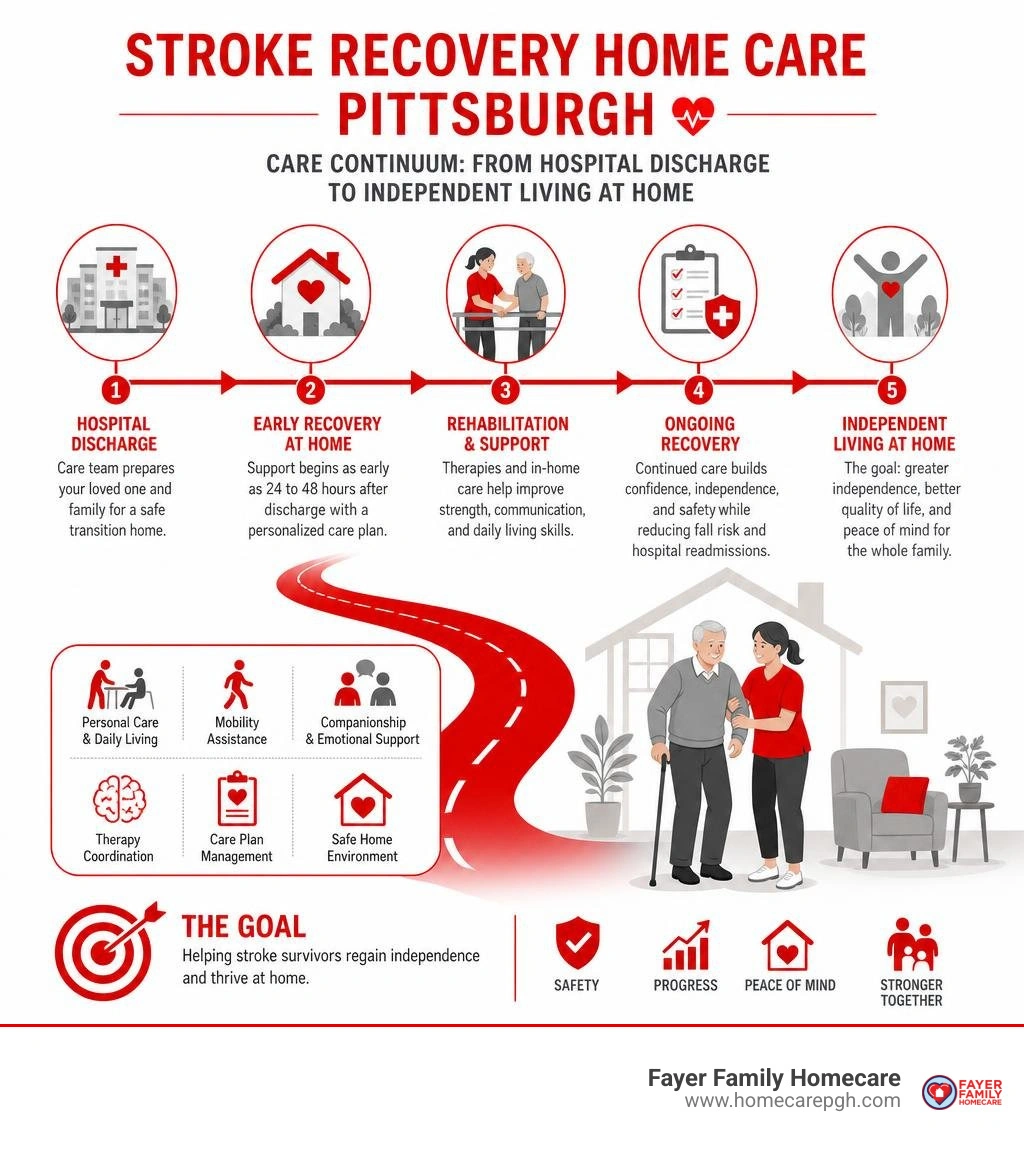
Home care can and should begin immediately upon hospital discharge. In fact, establishing support within the first 24 to 48 hours post-discharge is crucial for preventing hospital readmissions and maintaining momentum in physical recovery.
By coordinating with hospital discharge planners prior to release, our team at Fayer Family Homecare ensures that a trained caregiver is ready at home the moment your parent arrives.
Recovering from a stroke is a long journey that requires patience, clinical skill, and steady daily encouragement. For Pittsburgh seniors, recovering in the comfort of their own home offers the best balance of safety, dignity, and real-world functional progress.
At Fayer Family Homecare, we are dedicated to supporting Greater Pittsburgh families through every stage of post-stroke care. Whether your loved one needs dedicated assistance with daily activities, companionship, or continuous supervision, our experienced team provides reliable, compassionate care tailored to your family's needs.
Reach out to our team today to learn more about our specialized personal care services and schedule a personalized in-home consultation.

September 3, 2025
Plan, Prep, Prosper: How to Master Your Weekly MealsMaster senior meal planning for better health & less stress. Get our 4-step guide to nutritious, easy meals today!
Read Article
June 13, 2025
House Cleaning for Pensioners and Disabled SeniorsDiscover house cleaning for disabled seniors: safety tips, adaptive routines, and support services for a clean, independent home.
Read Article
March 17, 2025
The Best Senior Home Companions: A Comprehensive ListDiscover the top benefits of senior home companions for aging in place. Ensure emotional support, daily activity aid, and companionship today!
Read Article